
Last updated September 10, 2026
Level 1 sweep and inspection to the NFPA 211 annual standard - flue, crown, cap, and flashing checked and photographed
Chimney sweep logs do not sweep chimneys. They loosen some creosote - which then falls where a brush and vacuum still have to collect it.
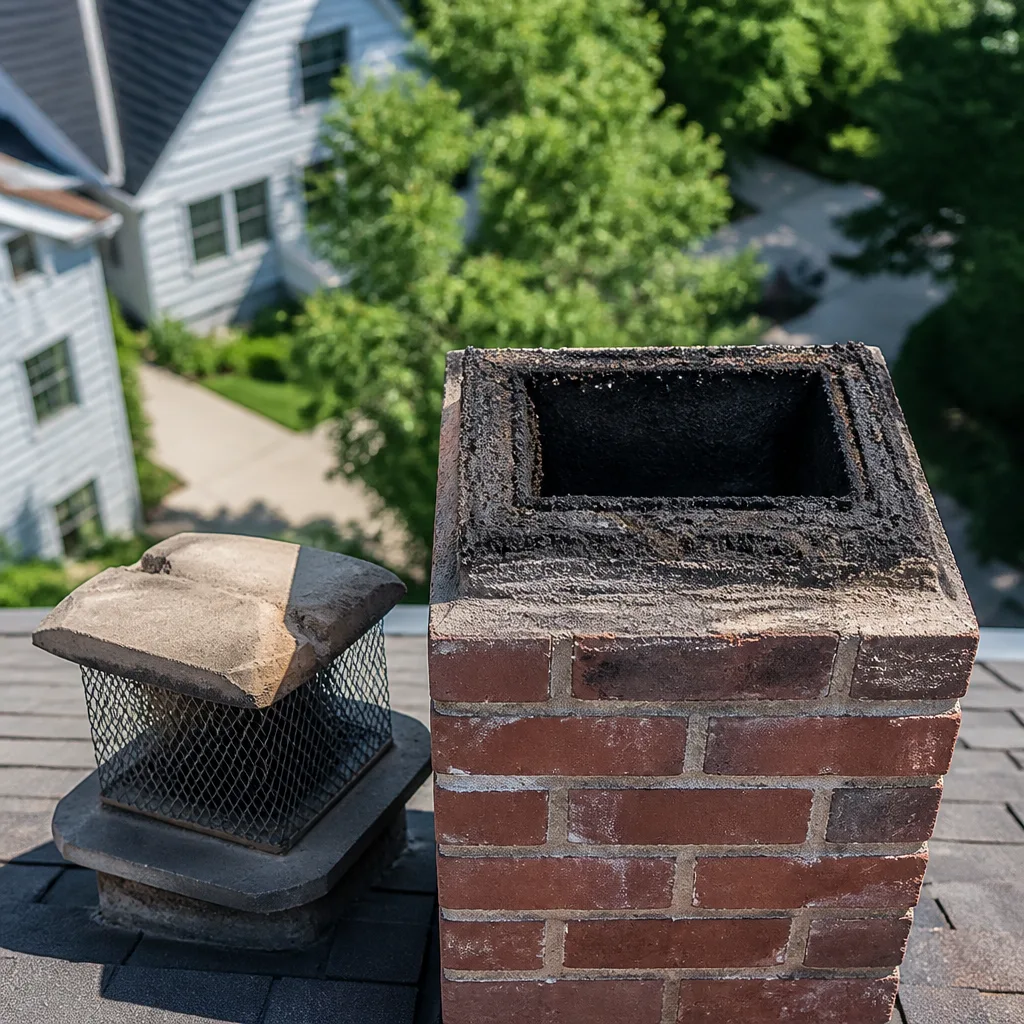
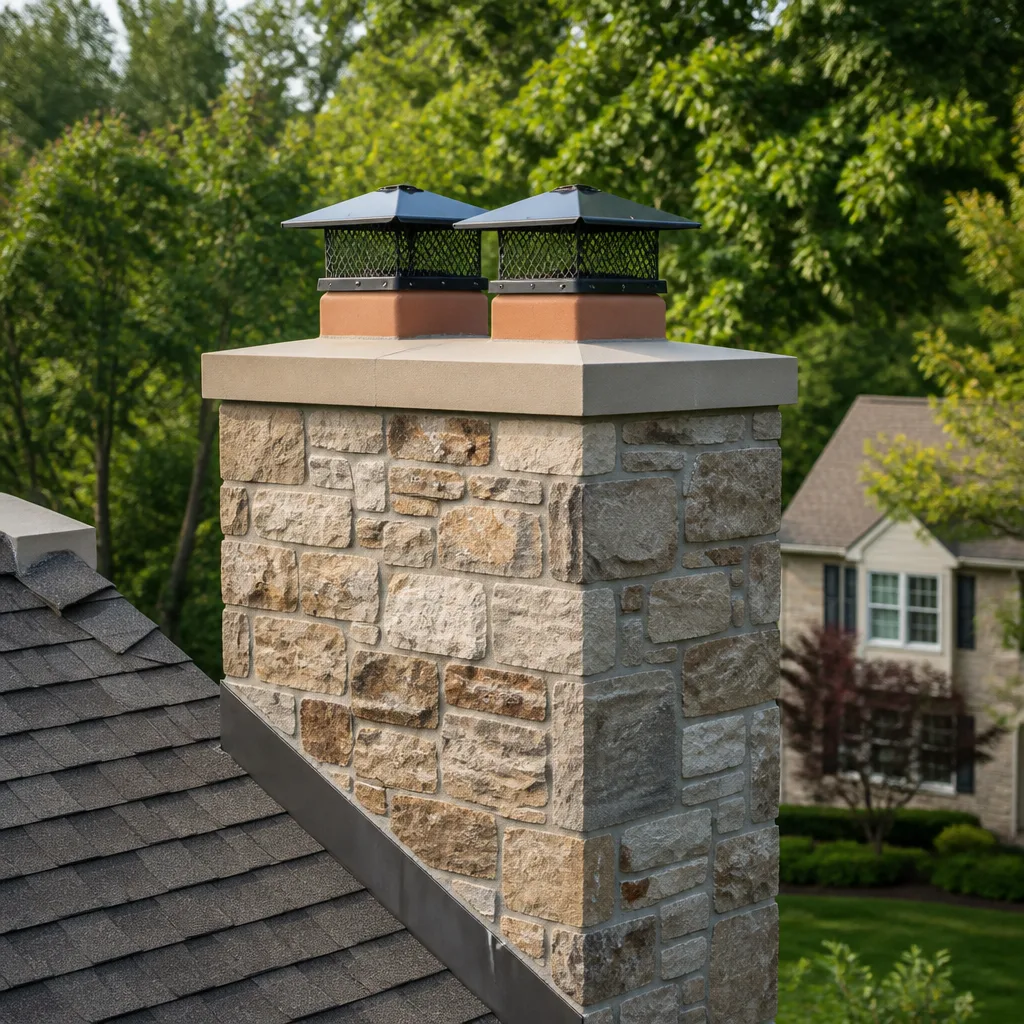
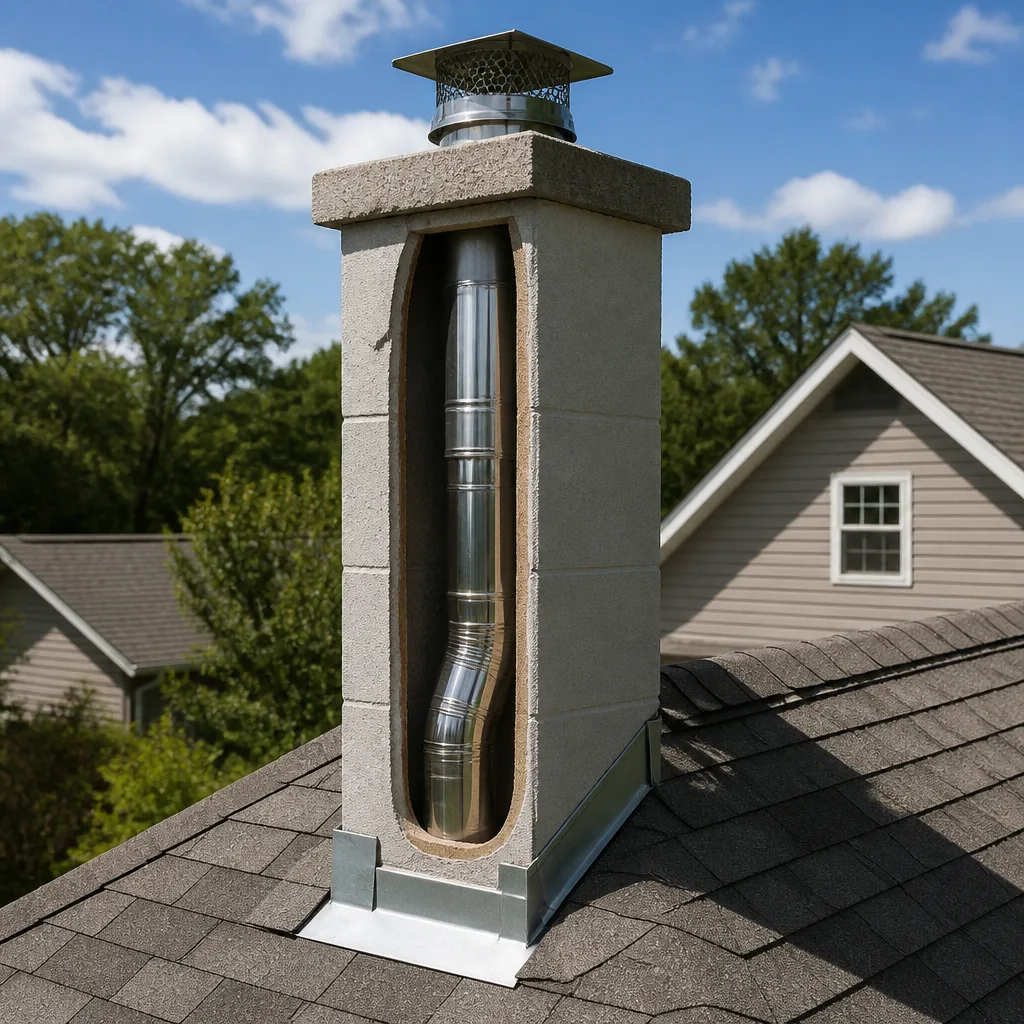
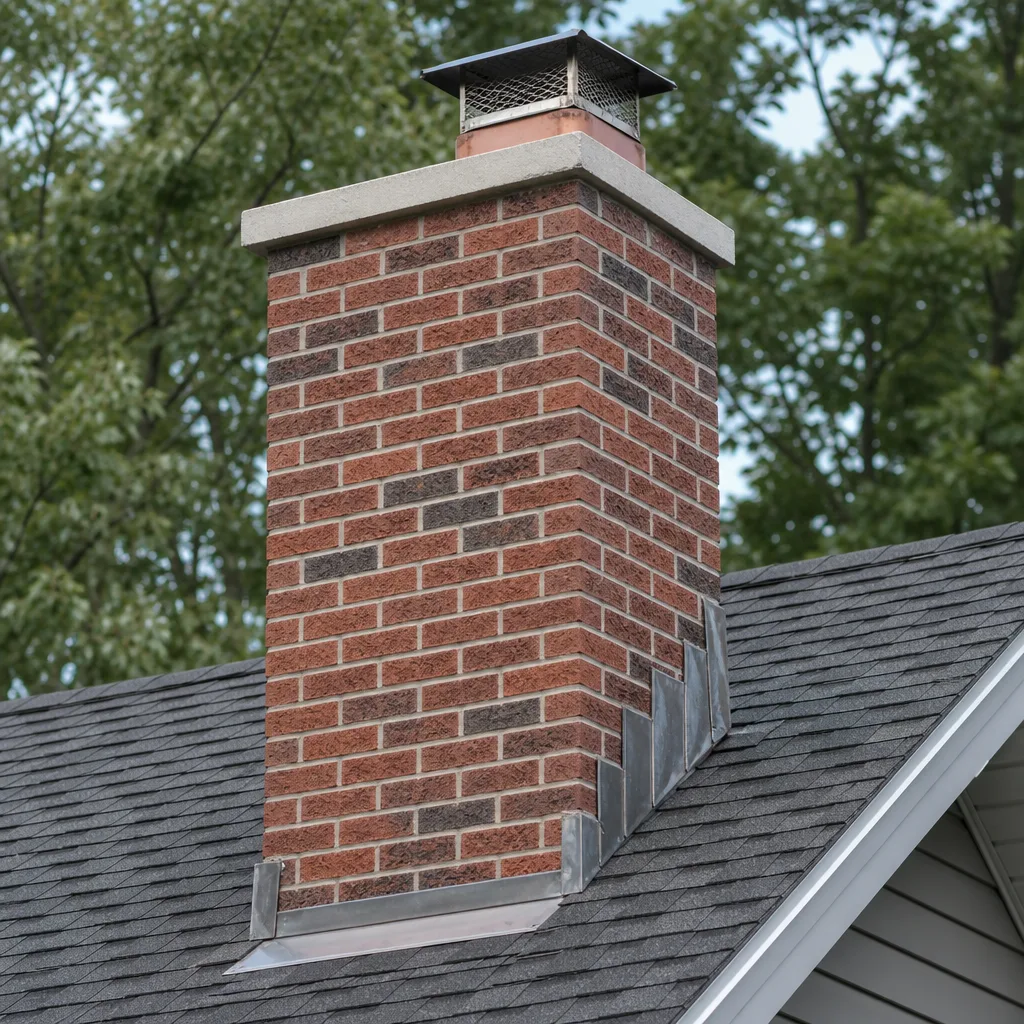
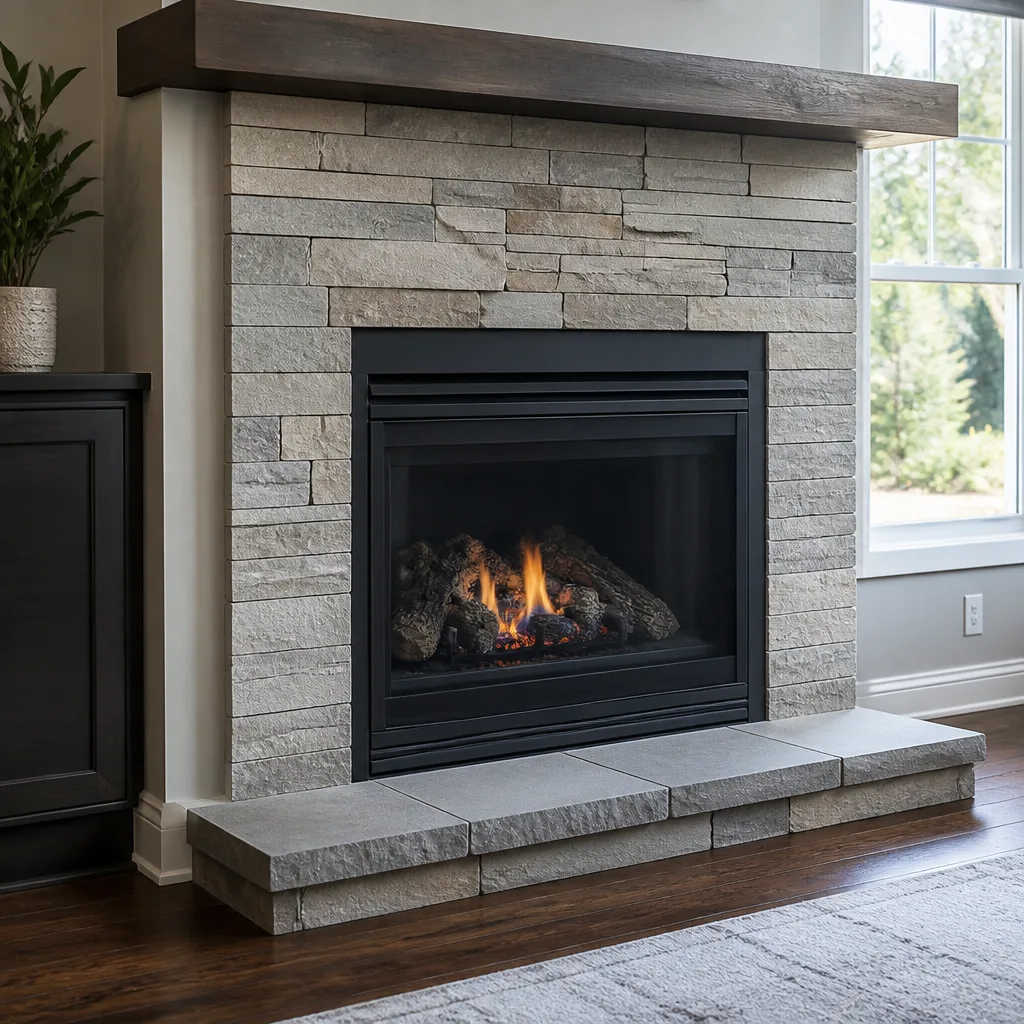
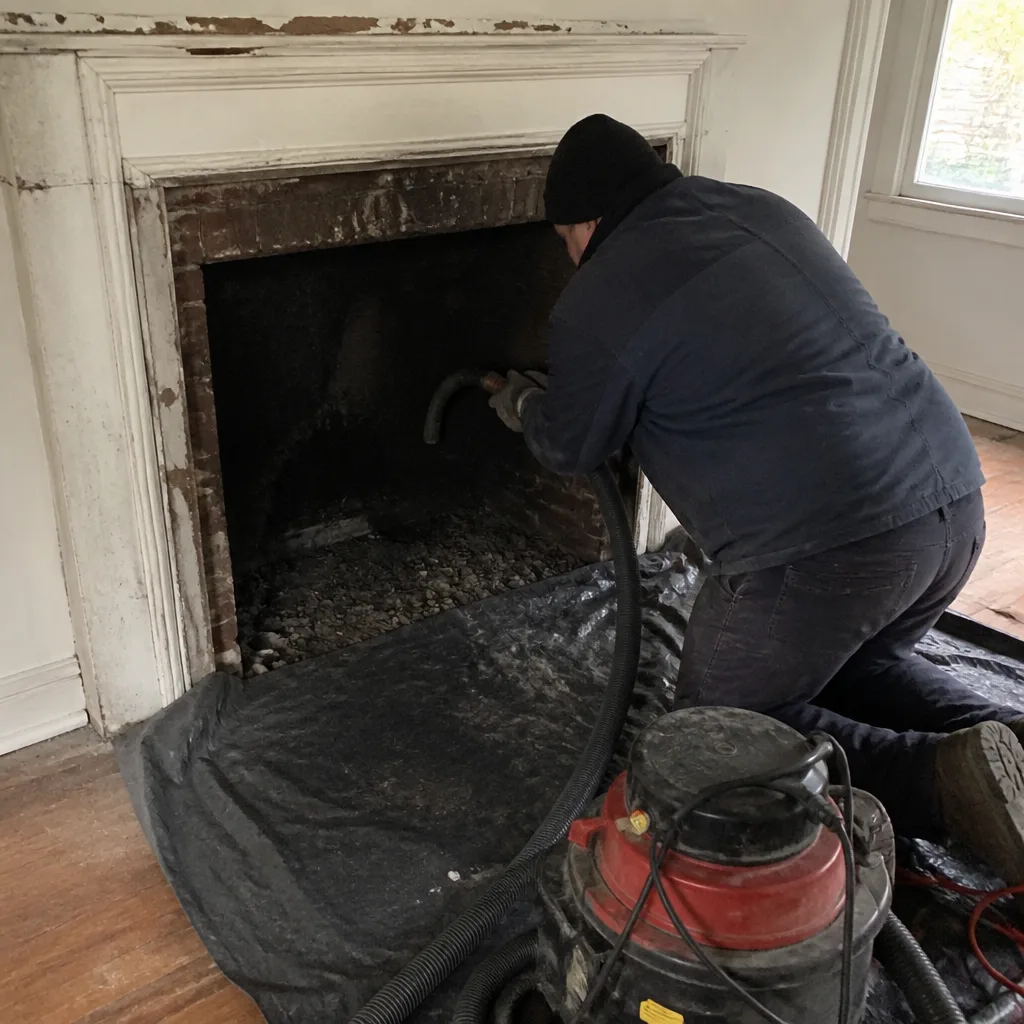 Before
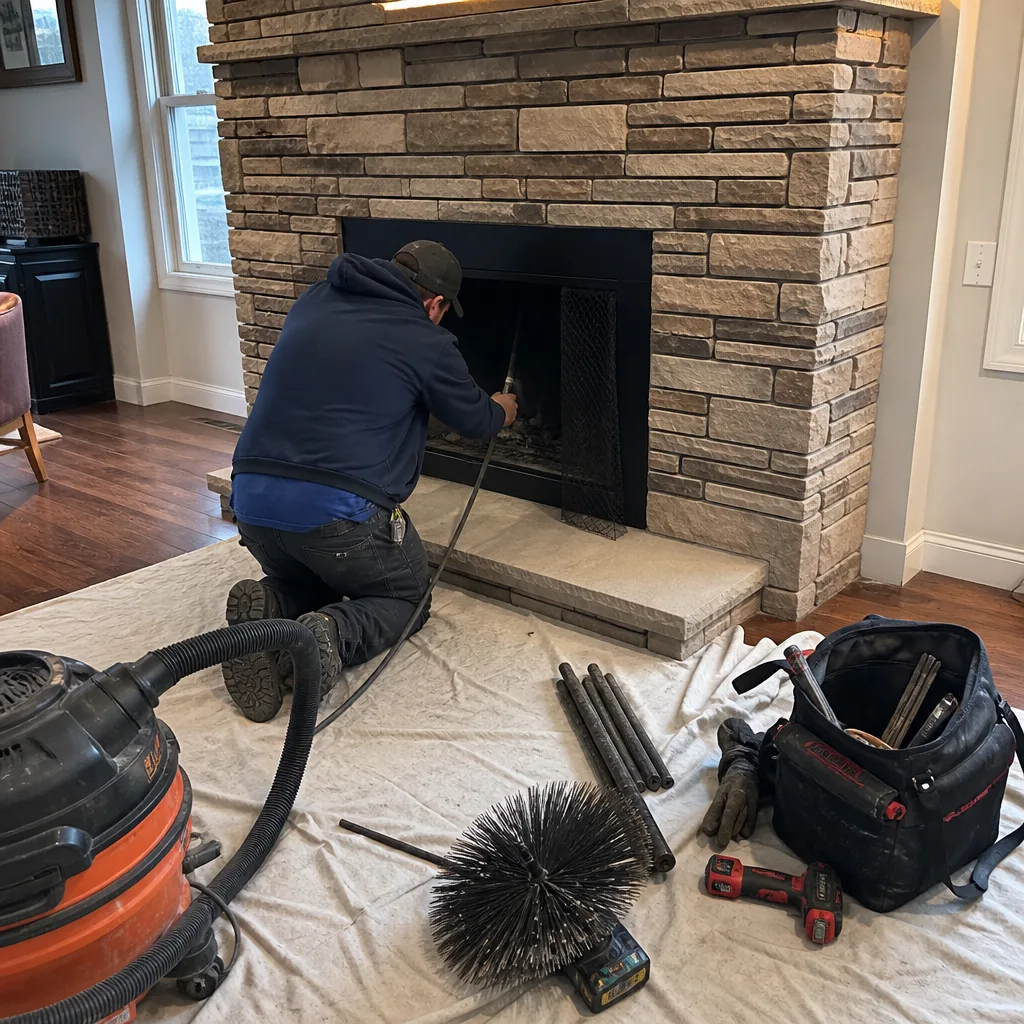 After
After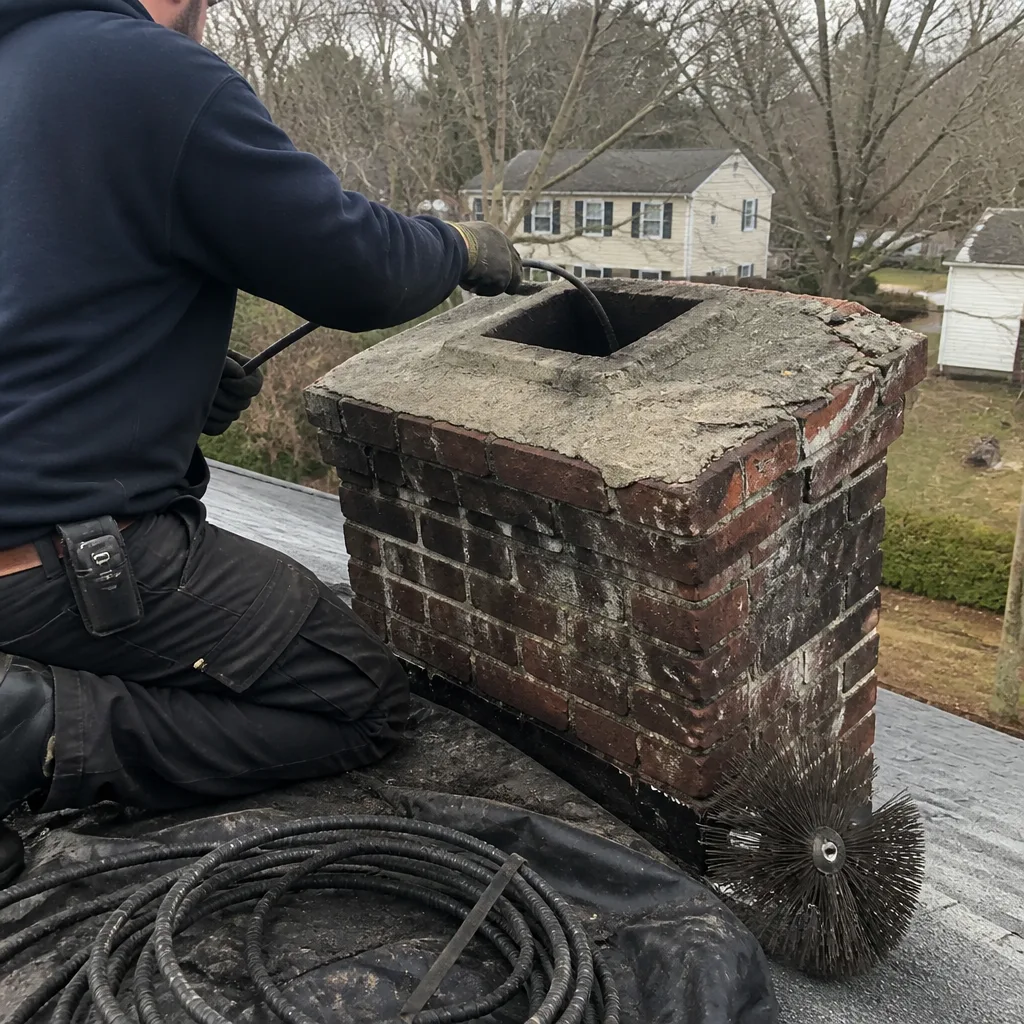 Before
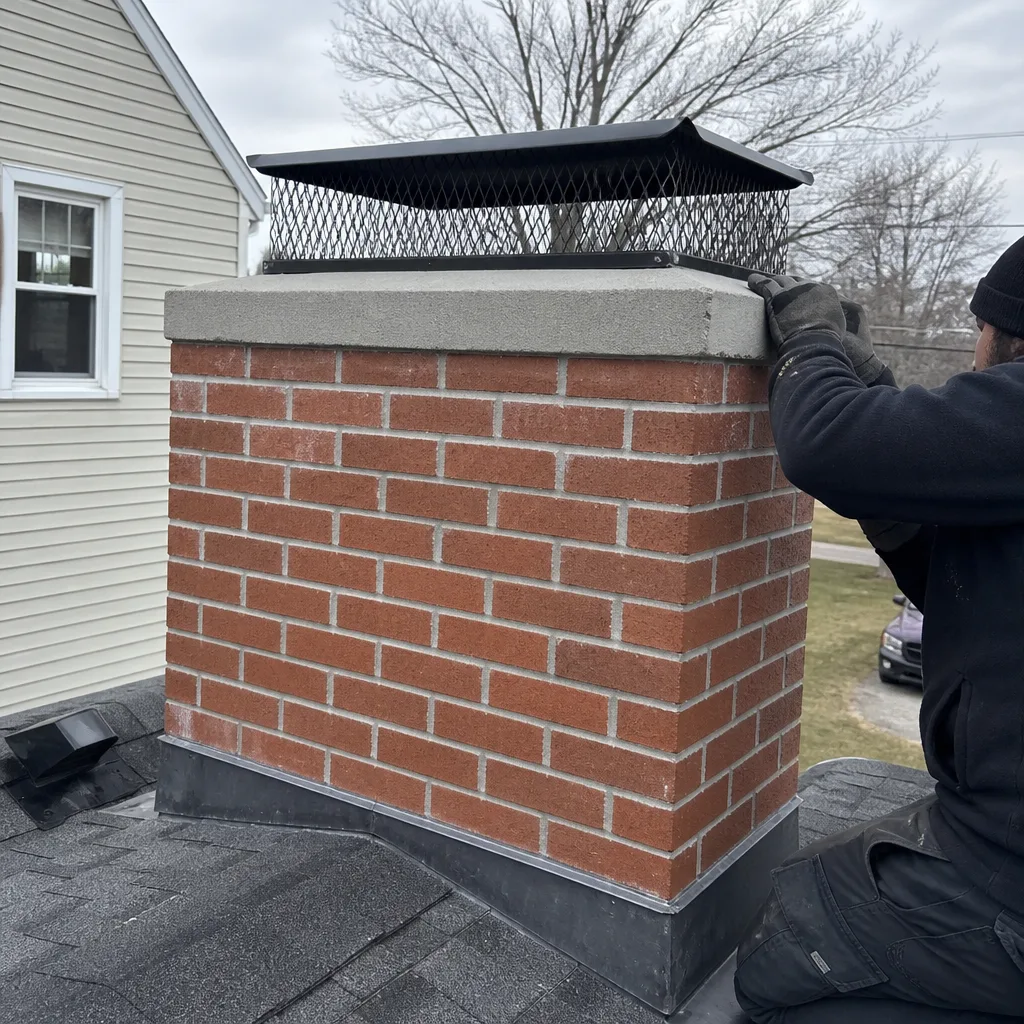 After
After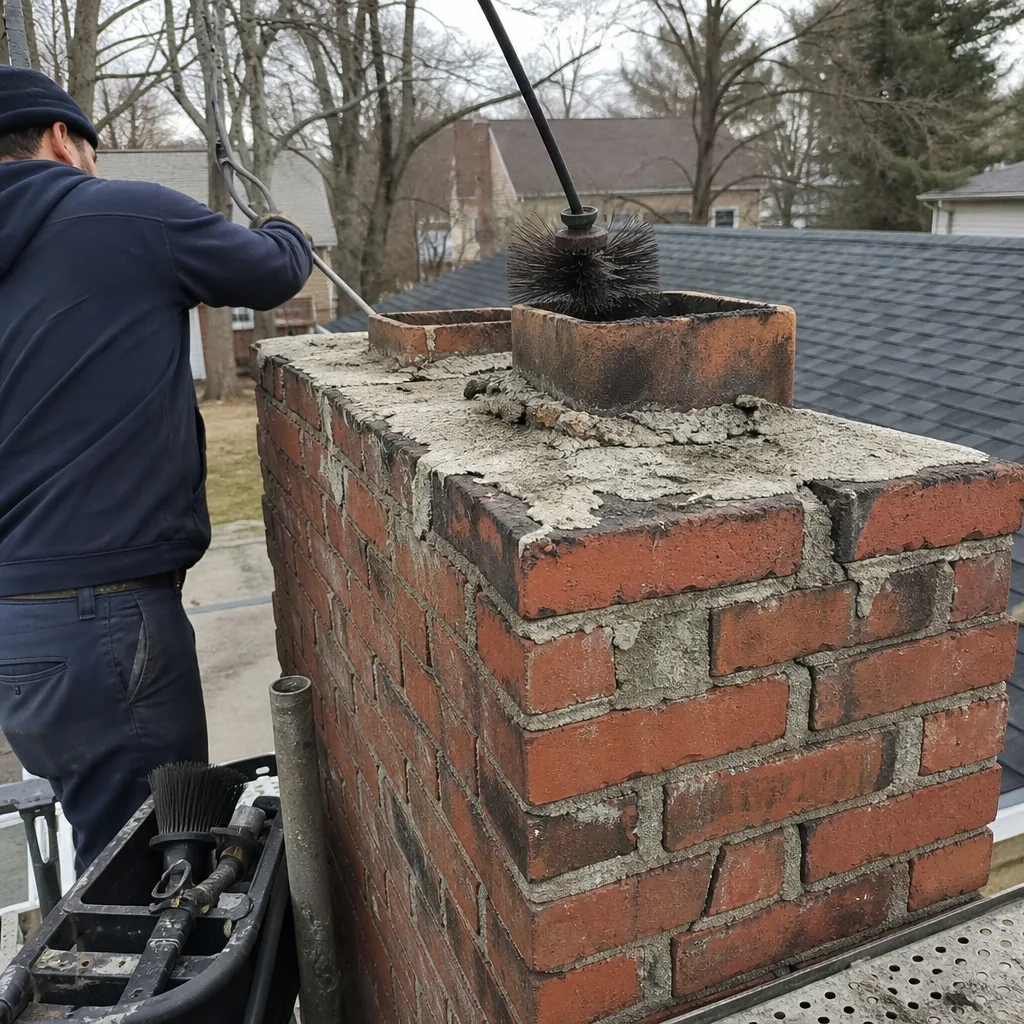 Before
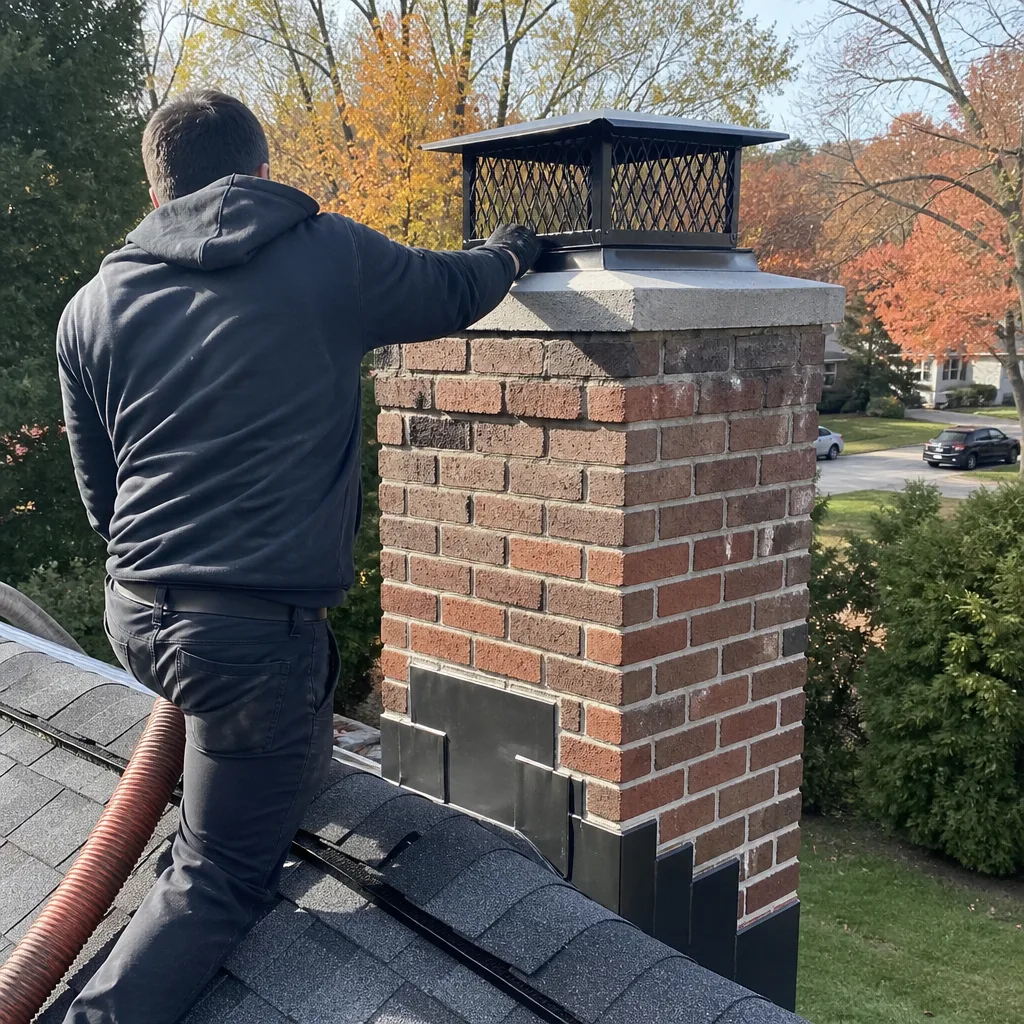 After
AfterChimney Cleaning Permits, Codes & Inspections in MA: What You Need to Know
Here’s the truth that costs Waltham sellers thousands at the closing table: a chimney liner replacement done without a Massachusetts building permit isn’t merely a paperwork oversight. It’s an undisclosed material defect that a buyer’s home inspector is specifically trained to find, and when they do, the renegotiation typically runs 10 to 15 times the original permit fee. In our 42 years serving Middlesex County, we’ve watched three deals collapse over unpermitted crown rebuilds that would have cleared inspection in a week. This guide walks through exactly which chimney services trigger permits, how Waltham’s building department processes them, and what Massachusetts fire code actually requires your sweep to tell you. For a deeper look at the full process, see The Complete Guide to Chimney Cleaning in Waltham.
Quick Answer
Routine chimney cleaning and Level 1 inspections in Massachusetts require no permit. However, liner replacement, firebox reconstruction, structural repairs exceeding $1,000, and new appliance connections all require permits under the Massachusetts State Building Code. Waltham’s Building Department typically processes chimney permits in 5 to 10 business days, with same-day issuance for emergency repairs. Unpermitted work must be disclosed on the Hearthstone Chimney Co. home and can trigger insurer denial of claims or buyer walkaways.
Table of Contents
- Which Chimney Services Require Permits in Massachusetts?
- How Waltham’s Building Department Processes Chimney Permits
- Massachusetts Fire Code: What Your Sweep Must Report
- NFPA 211 Compliance Inspection vs. Standard Level 1 Sweep
- How Unpermitted Work Surfaces in Real Estate Transactions
- When Massachusetts Insurers Require Documentation
- Common Mistakes to Avoid
- When to Call a Professional
- Frequently Asked Questions
- The Bottom Line
Which Chimney Services Require Permits in Massachusetts?
Massachusetts divides chimney work into two categories: maintenance (no permit) and alteration (permit required). The distinction matters because the penalty for guessing wrong falls entirely on the homeowner.
Permit-free work:
- Chimney sweeping and cleaning of existing flues
- Level 1 visual inspection without dismantling components
- Cap replacement on existing flue terminals (same size, same location)
- Standard damper adjustment or replacement
- Waterproofing sealant application to existing masonry
Permit-required work:
- Liner replacement or relining of any kind
- Firebox reconstruction or refractory panel replacement
- Crown rebuilds or structural repairs exceeding $1,000 in labor and materials
- New wood-burning, gas, or pellet appliance connections
- Chimney extension or termination height modifications
- Thimble relocation or new venting penetration
- Conversion from one fuel type to another
The $1,000 threshold is where Waltham homeowners typically stumble. A crown rebuild quoted at $1,200 requires a permit; one at $950 does not. The material cost is identical. The difference is whether your contractor bothered to check the threshold or hoped you wouldn’t ask.
We’ve inspected chimneys in the Warrendale neighborhood where a previous owner’s $1,400 liner replacement was done without permits. The work itself was competent, installed with a quality DuraFlex stainless liner. But because no permit was pulled, the current owner faced a $3,200 renegotiation when the buyer’s inspector flagged the missing documentation. The original permit would have cost $75.
Massachusetts operates under a statewide building code with local amendments. Waltham follows the base code without chimney-specific additions, which simplifies the process compared to Boston or Cambridge, where historical district overlays add review layers. However, Waltham does require contractor licensing verification at permit submission, something one-truck operators sometimes fail to clear.
How Waltham’s Building Department Processes Chimney Permits
Waltham’s Building Department sits at 119 School Street, and their chimney permit workflow differs from surrounding towns in three specific ways that affect your timeline.
Step-by-step process:
- Contractor verification. Waltham requires proof of Massachusetts Home Improvement Contractor registration and current liability insurance before accepting any chimney permit. We keep these on file and submit electronically, but homeowners using unregistered contractors hit this wall immediately.
- Scope documentation. For liner replacements, Waltham requires manufacturer specifications for the proposed liner material. We submit Olympia Chimney or DuraFlex specification sheets with every liner permit. For firebox work, a simple sketch of the repair area suffices.
- Fee calculation. Waltham charges $75 base fee for chimney permits under $2,000, plus $10 per $1,000 of estimated value above that. A typical $2,500 liner replacement runs $80 total. Neighboring Lexington charges a flat $125 regardless of scope.
- Inspection scheduling. Waltham offers three inspection windows: morning (8-12), afternoon (12-4), or all-day flexibility. We book afternoon slots because our technicians can complete morning jobs and still meet the inspector. Same-day emergency inspections are available for hazardous conditions; we’ve used these twice in 42 years, both for lightning strike damage on Prospect Hill.
- Final sign-off. The inspector reviews the completed work against the permit scope, issues a certificate of completion, and Waltham archives the record permanently. This certificate is what your real estate attorney will request at sale.
Typical timeline: 5 to 10 business days from submission to approved permit, with inspection scheduling adding 2 to 5 days depending on season. October through January, Waltham’s inspection backlog stretches to 7 days; we submit permits in September for October liner jobs to avoid delays.
One Waltham-specific quirk: the city does not require separate plumbing or gas permits for chimney-vented appliance connections if the appliance itself was permitted separately. This differs from Newton, where dual permits are standard. Our office tracks these variations because we’ve worked in both cities for four decades.
Massachusetts Fire Code: What Your Sweep Must Report
Massachusetts 527 CMR, the state’s fire prevention code, contains specific provisions governing chimney maintenance that most homeowners never see. Your sweep is legally required to report certain conditions. Understanding what triggers this obligation helps you evaluate whether your last inspection was thorough or merely cursory. Watch for Chimney Cleaning Warning Signs: A Waltham Homeowner’s Reference Guide to spot problems early.
Mandatory reporting conditions under 527 CMR:
- Any flue obstruction exceeding 25% of cross-sectional area
- Visible cracks in flue liners that could permit flame or gas escape
- Deteriorated mortar joints creating gaps exceeding 3/8 inch
- Combustible deposits (creosote) exceeding 1/8 inch thickness
- Improper clearances between chimney structure and combustible materials
- Absence of required spark arrestors in wildland-urban interface zones
The code requires that these findings be communicated to the homeowner in writing. A verbal warning at the door does not satisfy the regulation. At Hearthstone, our Level-2 camera inspections produce dated photographs of each finding, a plain-English explanation of what the image shows, and a prioritized recommendation list. This documentation protects you if a later fire investigator questions whether you were properly informed.
Waltham’s climate intensifies certain 527 CMR concerns. Our freeze-thaw cycles, typically 80 to 100 significant cycles annually, accelerate crown deterioration and liner joint separation. In the Pigeon Hill area, where older homes cluster, we’ve documented flue liner cracks that progressed from hairline to code-reportable in a single heating season. The code doesn’t care whether damage is new or old; it cares whether it creates hazard.
Here’s what the code does not require: your sweep cannot red-tag your chimney and demand immediate repair unless the condition presents imminent fire or carbon monoxide hazard. We’ve heard of competitors using “code violation” language to pressure same-day sales. 527 CMR specifies communication and documentation, not emergency authorization. If your sweep’s report feels like a sales document, request the specific CMR citation. A legitimate report cites chapter and verse.
NFPA 211 Compliance Inspection vs. Standard Level 1 Sweep
These two inspections are not interchangeable, yet most Waltham homeowners have never been offered the distinction. Our Chimney Cleaning & Sweep Maintenance Checklist for Waltham Homeowners breaks down when each applies. Understanding when each applies prevents both unnecessary expense and dangerous oversight.
Standard Level 1 inspection (what most sweeps sell):
This is a visual examination of readily accessible portions of the chimney exterior, interior, and connecting appliances. The technician uses a flashlight and mirror, checks for obstructions and combustible deposits, and verifies basic structural soundness. No tools are used to open or dismantle components. Level 1 is appropriate for annual maintenance of chimneys with unchanged conditions, no performance problems, and no planned appliance modifications.
NFPA 211 compliance inspection (what codes, insurers, and real estate transactions often require):
This is a documented evaluation against the National Fire Protection Association’s Chimneys, Fireplaces, Vents, and Solid Fuel-Burning Appliances standard. It includes all Level 1 elements plus specific measurements, appliance compatibility verification, and written confirmation that the installation meets NFPA 211’s construction and clearance requirements. When Massachusetts insurers request “certified chimney inspection,” this is typically what they mean, though they rarely specify the standard by name.
When Massachusetts law or insurers require NFPA 211 compliance:
- Home sale transactions where the buyer’s insurer mandates documentation
- Installation of new wood-burning appliances (state law requires compliance certification)
- Insurance policy renewal after chimney fire claim
- Conversion from oil to gas or wood to pellet (appliance-specific provisions apply)
- Rental property compliance under Massachusetts sanitary code enforcement
The practical difference: a Level 1 sweep might note that “the liner appears intact.” An NFPA 211 compliance inspection measures the liner diameter, verifies it matches the appliance’s listed requirements, documents the material and installation standard, and confirms clearance to combustibles. In Waltham’s 1880s-era housing stock, particularly around the Lyman Estate area, we’ve found original unlined brick flues still in service that pass visual inspection but fail NFPA 211’s explicit liner requirements for modern appliances.
Our Chimney Cleaning & Sweep in Waltham includes Level 1 inspection as standard. We recommend NFPA 211 compliance inspection for any home sale, insurance requirement, or appliance change. The additional time is approximately 45 minutes, and the documentation it produces is what protects you when questions arise later.
How Unpermitted Work Surfaces in Real Estate Transactions
This is where permit skimping transforms from a technical violation into a financial catastrophe. Massachusetts disclosure law requires sellers to report “all defects and conditions that may materially affect the value or desirability of the property.” Unpermitted structural work, including chimney repairs that required permits, falls squarely within this definition.
How it appears on disclosure:
The standard Massachusetts Association of Realtors disclosure form asks: “Have you made any changes to the structure of the property for which a building permit was required but not obtained?” A “yes” answer triggers buyer scrutiny. A “no” answer when permits were in fact required constitutes misrepresentation with potential legal exposure. There’s no statute of limitations on this question; we’ve seen 15-year-old unpermitted liner jobs surface in 2024 closings.
The inspection chain:
- Buyer’s home inspector examines the chimney visually and notes recent work (new liner, rebuilt crown, fresh mortar)
- Inspector requests permit documentation from the listing agent
- No permit is found in city records
- Inspector flags as “unpermitted structural modification” in the report
- Buyer’s lender or insurer may require permit retroactivity or professional engineering review
- Retroactive permitting in Waltham requires opening walls or removing finishes to verify concealed work
Typical renegotiation costs we’ve observed:
- Liner replacement without permit: $2,500 to $4,000 in buyer credits or price reduction
- Crown rebuild without permit: $1,200 to $2,800
- Firebox reconstruction without permit: $3,500 to $6,000 (may require complete re-demolition for inspection access)
Original permit costs for these same jobs: $75 to $150.
In 2019, we consulted on a Waltham sale in the Cedarwood area where the seller had paid $3,800 for a liner replacement in 2015. The contractor, since out of business, never pulled a permit. The buyer’s inspector found the work in 2019. The seller ultimately credited $4,500 at closing and paid $800 for a structural engineer to verify the installation. The $75 permit would have prevented $5,300 in losses.
Our Chimney Repair in Waltham includes permit handling in every qualifying quote. We don’t treat it as an add-on or afterthought. The permit application is submitted before work begins, and the certificate of completion is delivered with the final invoice.
When Massachusetts Insurers Require Documentation
Homeowner’s insurance in Massachusetts increasingly includes chimney-specific provisions, particularly for wood-burning systems. Understanding when your insurer can demand documentation, and what kind, prevents policy cancellation or claim denial at the worst possible moment.
Trigger events for insurer documentation requests:
- New policy issuance or renewal for homes with wood-burning fireplaces or stoves
- Claim for chimney fire, smoke damage, or carbon monoxide incident
- Policy transfer to new insurer (common when bundled auto-home discounts shift)
- Addition of wood-burning appliance to existing policy
- Inspection following neighbor’s chimney fire (some insurers conduct portfolio reviews)
What insurers typically require:
Most Massachusetts insurers accept either a current NFPA 211 compliance inspection or a Level 2 inspection with camera documentation. The key elements they evaluate are: liner condition and material, creosote deposit level, structural integrity of the firebox and smoke chamber, and proper clearance to combustibles. Photos are not optional; we provide dated, labeled images with every inspection report.
We’ve worked with Copperfield documentation systems for insurer submissions because their format includes the specific data fields most carriers require. This isn’t about preference; it’s about getting your documentation accepted the first time rather than cycling through resubmissions while your renewal deadline approaches.
One Waltham-specific consideration: homes in the flood-prone areas near the Charles River, particularly around Moody Street, may face additional scrutiny if water damage has affected the chimney base. Insurers sometimes require verification that moisture intrusion hasn’t compromised the foundation or thimble connection. Our inspections in these areas include specific documentation of water line evidence and masonry saturation testing.
If your insurer requests inspection and you’ve recently had work done, provide the permit documentation alongside the inspection report. Permitted work carries weight in insurer evaluation because it demonstrates third-party verification of proper installation. Unpermitted work, even if competently executed, requires additional documentation that the insurer may or may not accept.
Common Mistakes to Avoid
- Assuming cleaning requires a permit. It doesn’t, and contractors who claim otherwise are either uninformed or padding fees. Waltham charges nothing for routine sweeping.
- Accepting verbal permit assurances. “My guy handles permits” means nothing until you see the approved permit card. We provide permit numbers before work begins and final certificates after inspection.
- Confusing town inspection with service inspection. Your sweep’s post-job review is not the building inspector’s code compliance verification. Both matter, but only the town inspector’s sign-off satisfies permit requirements.
- Neglecting permit documentation in home files. The permit certificate should live with your deed, insurance policies, and appliance manuals. We’ve seen sellers scramble to reconstruct records from decade-old work.
- Hiring unregistered contractors to save on permit costs. Massachusetts HIC registration is required for jobs over $1,000. Unregistered contractors cannot legally pull permits, and their work has no warranty recourse through the state guarantee fund.
- Assuming neighboring town rules apply. Waltham’s $75 base fee and contractor verification differ from Watertown’s walk-in system and Lexington’s flat rate. Rules from your previous town may not transfer.
- Waiting for sale pressure to address permits. Retroactive permitting costs 3 to 5 times the original fee and may require destructive inspection. Address permits at installation, not at listing.
When to Call a Professional
Call a sweep when you notice performance changes: smoke backup, draft inconsistency, unusual odors, or visible exterior deterioration. Call before any appliance change, fuel conversion, or real estate listing. Call if your insurance requests documentation and your last inspection is more than 12 months old.
Specifically in Waltham, call when you see white efflorescence blooming on exterior brick after our freeze-thaw cycles, or when your firebox develops new mortar cracks following a heating season. These are early indicators that 527 CMR reporting conditions may be developing.
Hearthstone Chimney Co. offers free estimates in Waltham. We’ll evaluate your chimney, identify any permit requirements for proposed work, and provide upfront pricing that includes permit handling when applicable. No surprises on the bill. Call (781) 905-8338 - a live person answers, 24 hours a day, every day.
Frequently Asked Questions
A standard chimney sweep and Level 1 inspection in Waltham typically runs $200 to $350, depending on flue accessibility and deposit level. This includes the sweep, visual inspection, and written condition report. Camera inspection or NFPA 211 compliance documentation is additional. Call (781) 905-8338 for an exact quote - estimates are free.
Clay tile liners with isolated cracks can sometimes be repaired with HeatShield cerfractory sealant, a product we’ve used successfully for 15 years. Stainless steel liners with seam separation or corrosion require replacement. We make this determination with camera evidence you can see, not a sales pitch. If the liner can be repaired safely, we’ll say so plainly. If it needs replacement, we’ll show you exactly why.
NFPA 211 recommends annual inspection for all chimneys, with sweeping frequency determined by use and fuel type. Wood-burning systems typically need annual sweeping; gas systems often extend to biennial unless performance issues arise. Waltham’s oak and maple firewood, common in local cordwood deliveries, produces more creosote than the hardwoods of southern New England. We’ve found that Waltham homeowners burning four or more cords annually benefit from mid-season inspection.
Skipped maintenance leads to creosote accumulation, which ignites at approximately 451 degrees Fahrenheit - well within normal operating temperatures. The resulting chimney fire can crack liners, damage surrounding structure, and penetrate to combustible framing. Carbon monoxide risk increases with blocked or deteriorated flues. Neither outcome is immediate or guaranteed, but both are preventable with routine care. The cost of prevention is a fraction of the cost of remediation.
Massachusetts allows homeowners to pull permits for work on their own primary residence, but Waltham’s Building Department strongly discourages this for chimney work because the permit holder becomes responsible for code compliance and inspection scheduling. Most homeowners lack the technical knowledge to answer inspector questions. We include permit handling in our service because the cost is minimal and the liability protection is substantial.
Contact Waltham’s Building Department at 119 School Street or through the city’s online permit portal. Provide your address and request a permit history search. Permits remain on file permanently. If no permit exists for work that required one, consider having the installation evaluated by a certified sweep. Our Fireplace Services in Waltham includes permit verification as part of pre-purchase inspections.
The Bottom Line
Massachusetts chimney permits are not bureaucratic obstacles; they’re documentation that protects your investment, your safety, and your ability to sell without renegotiation. Routine cleaning requires none. Liner replacement, structural repair, and appliance connections do. Waltham’s Building Department processes these efficiently when submitted properly. The cost of compliance is modest. The cost of avoidance, measured in failed inspections, insurer disputes, and cratered closings, is not. Keep your permits with your deed. Demand camera evidence for any recommended repair. And work with contractors who treat permits as standard practice, not optional inconvenience.
Written by Russell Haines, Owner at Hearthstone Chimney Co., serving Waltham since 2014.