
Last updated September 10, 2026
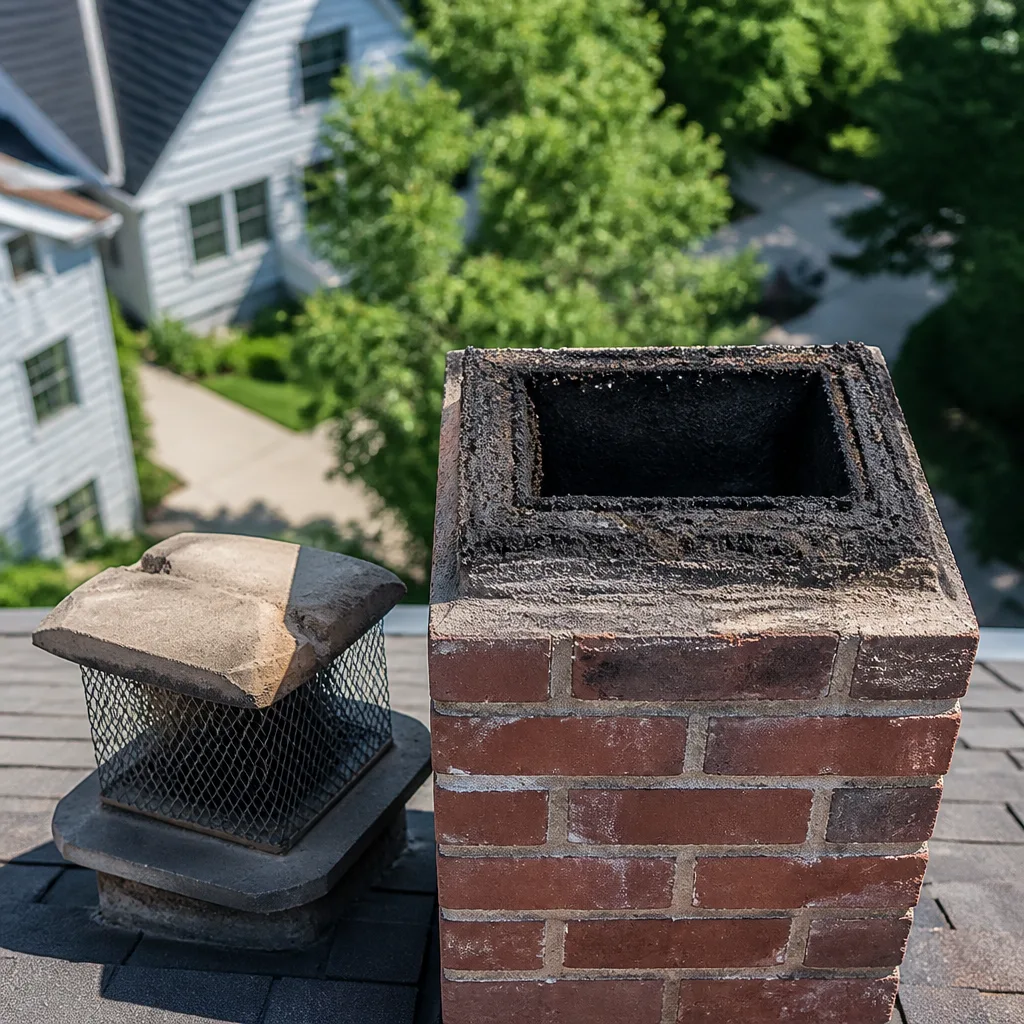
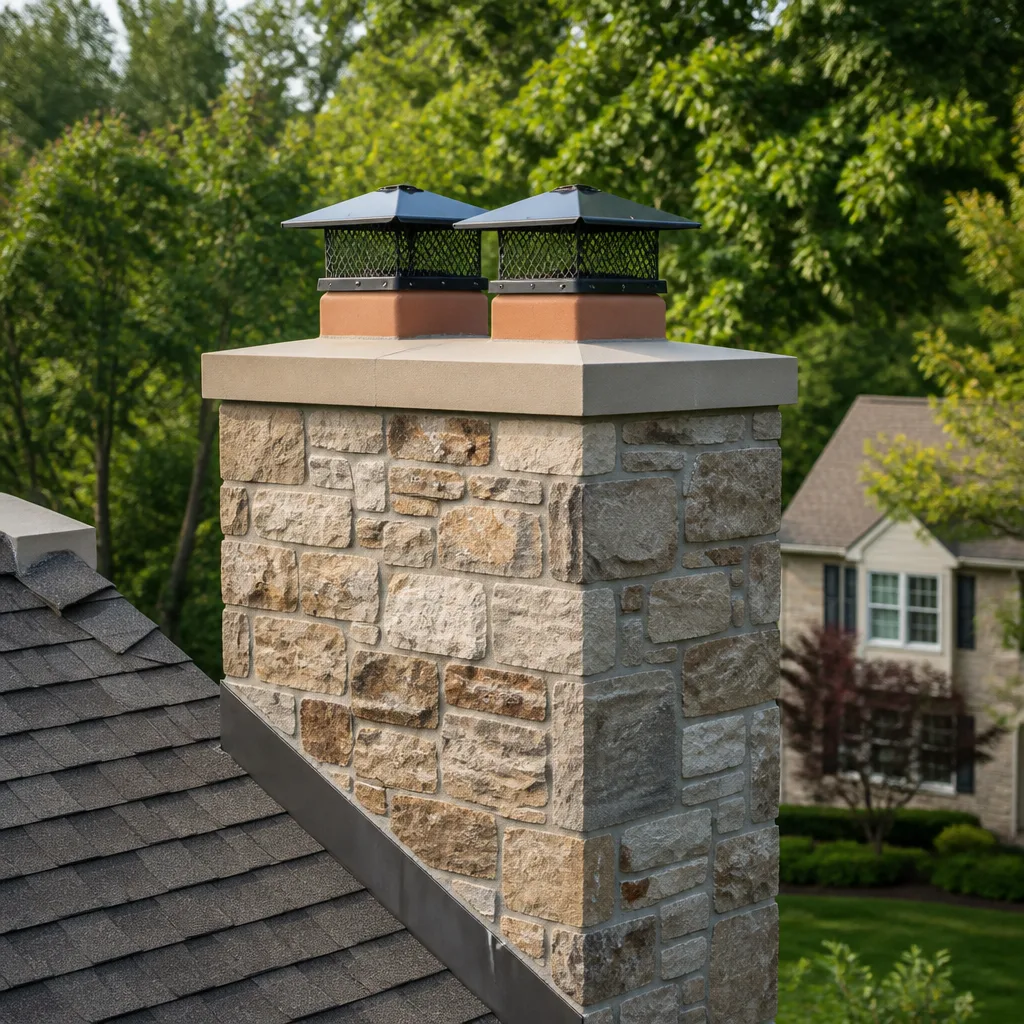
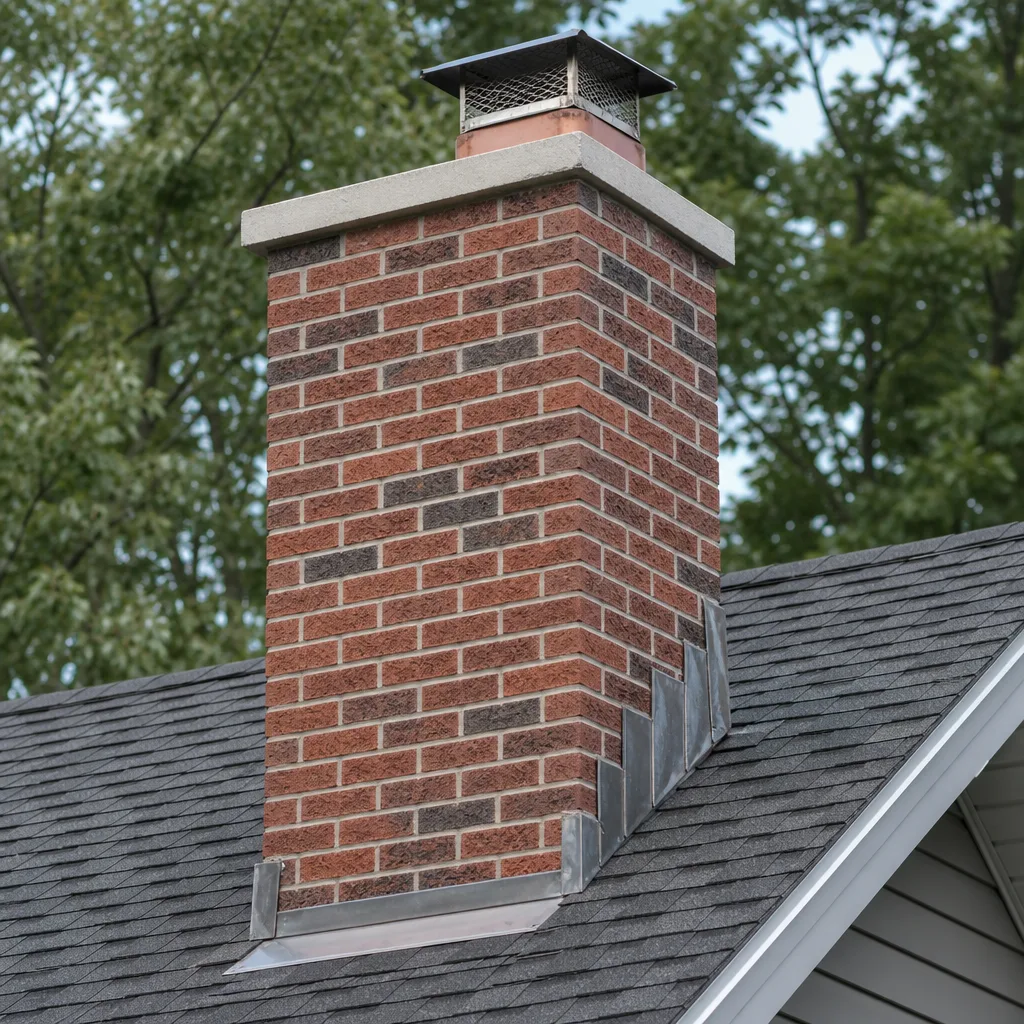
Level 1 sweep and inspection to the NFPA 211 annual standard - flue, crown, cap, and flashing checked and photographed
Chimney sweep logs do not sweep chimneys. They loosen some creosote - which then falls where a brush and vacuum still have to collect it.
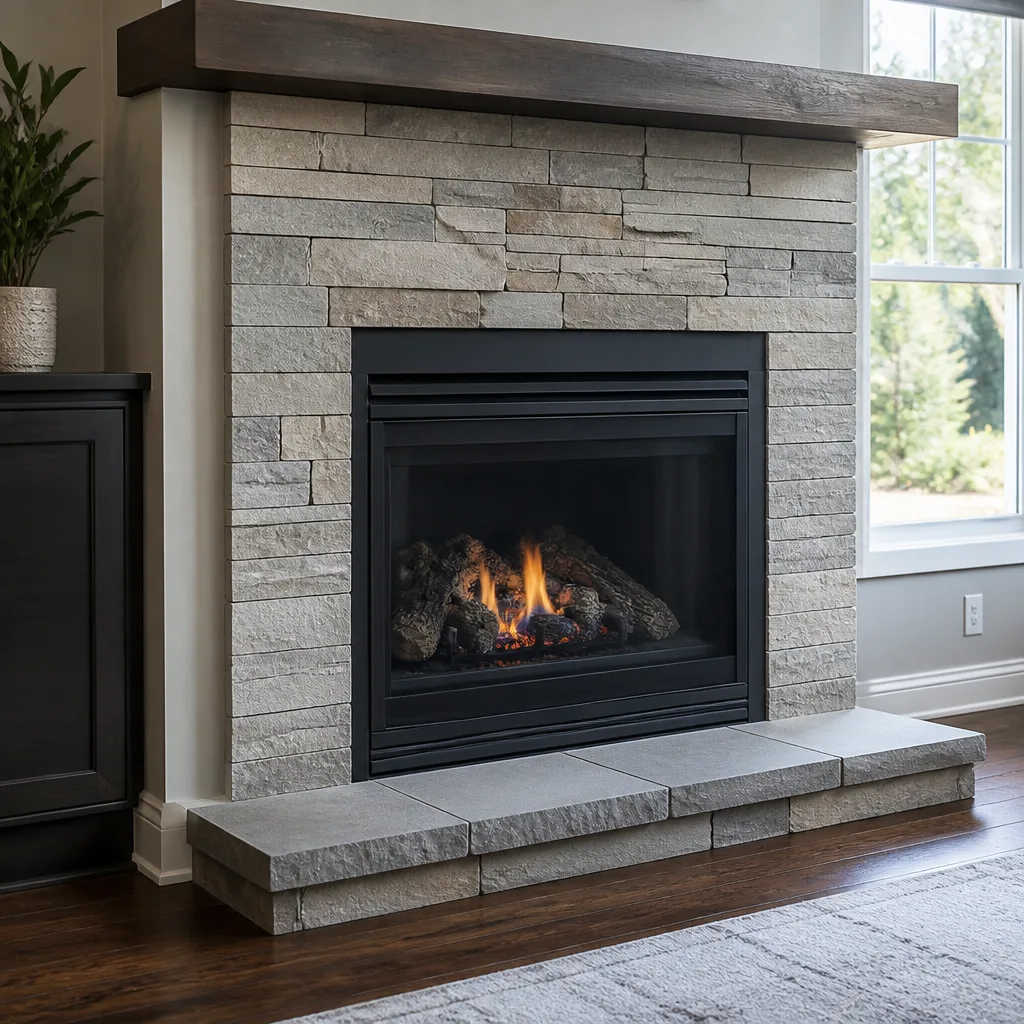
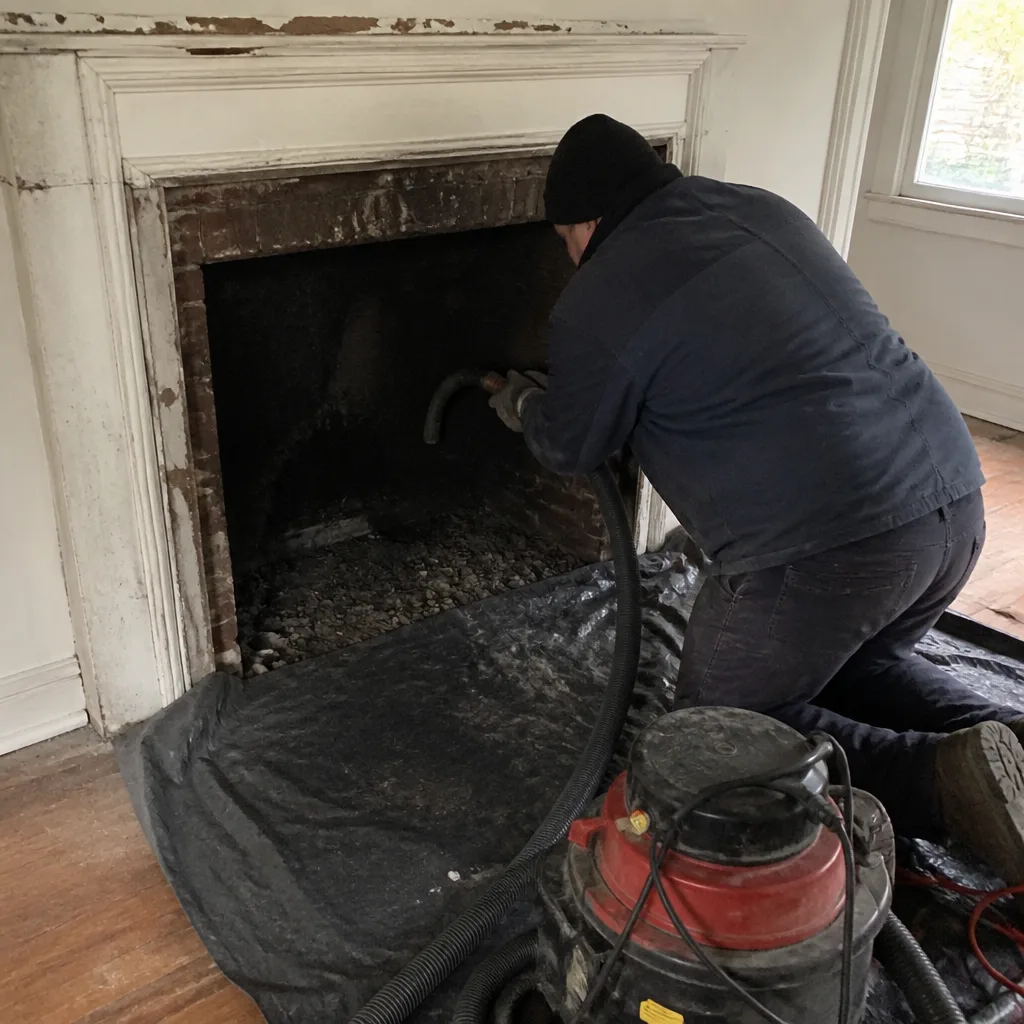 Before
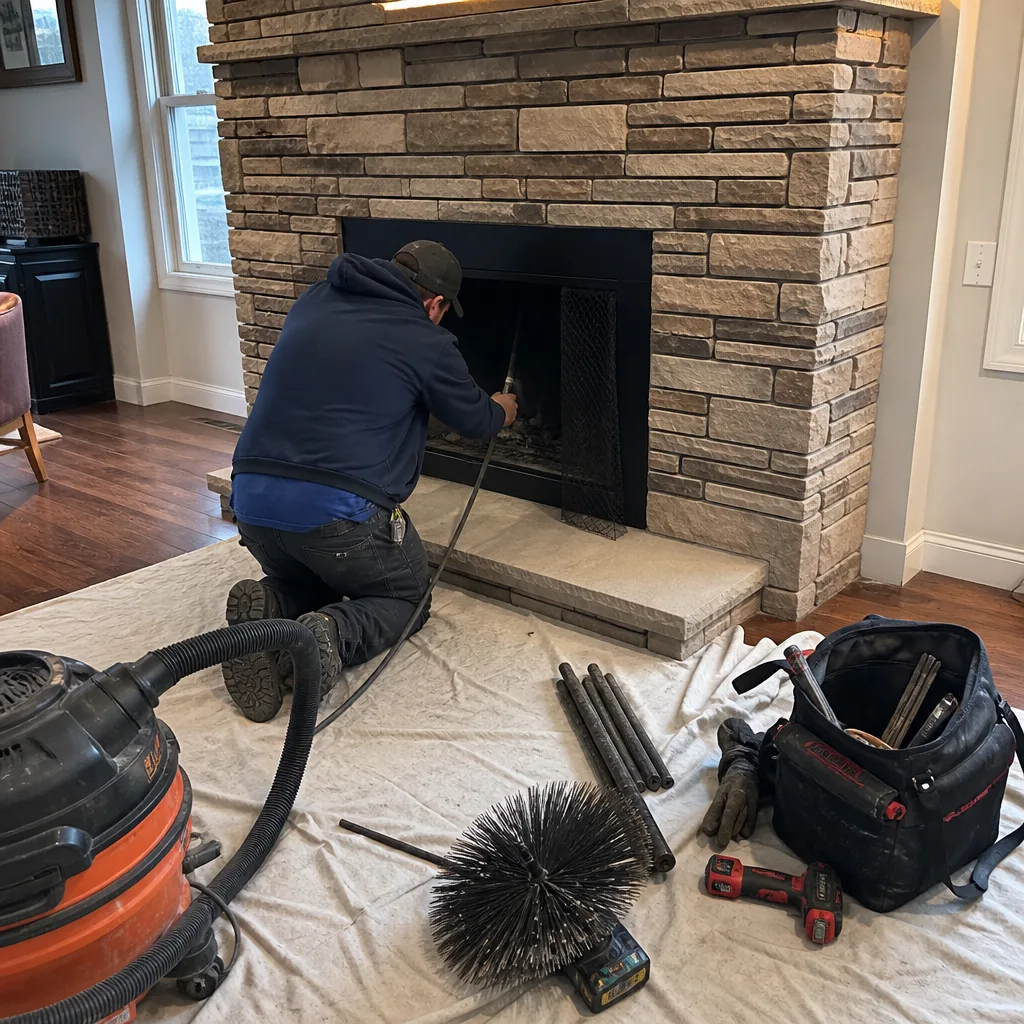 After
After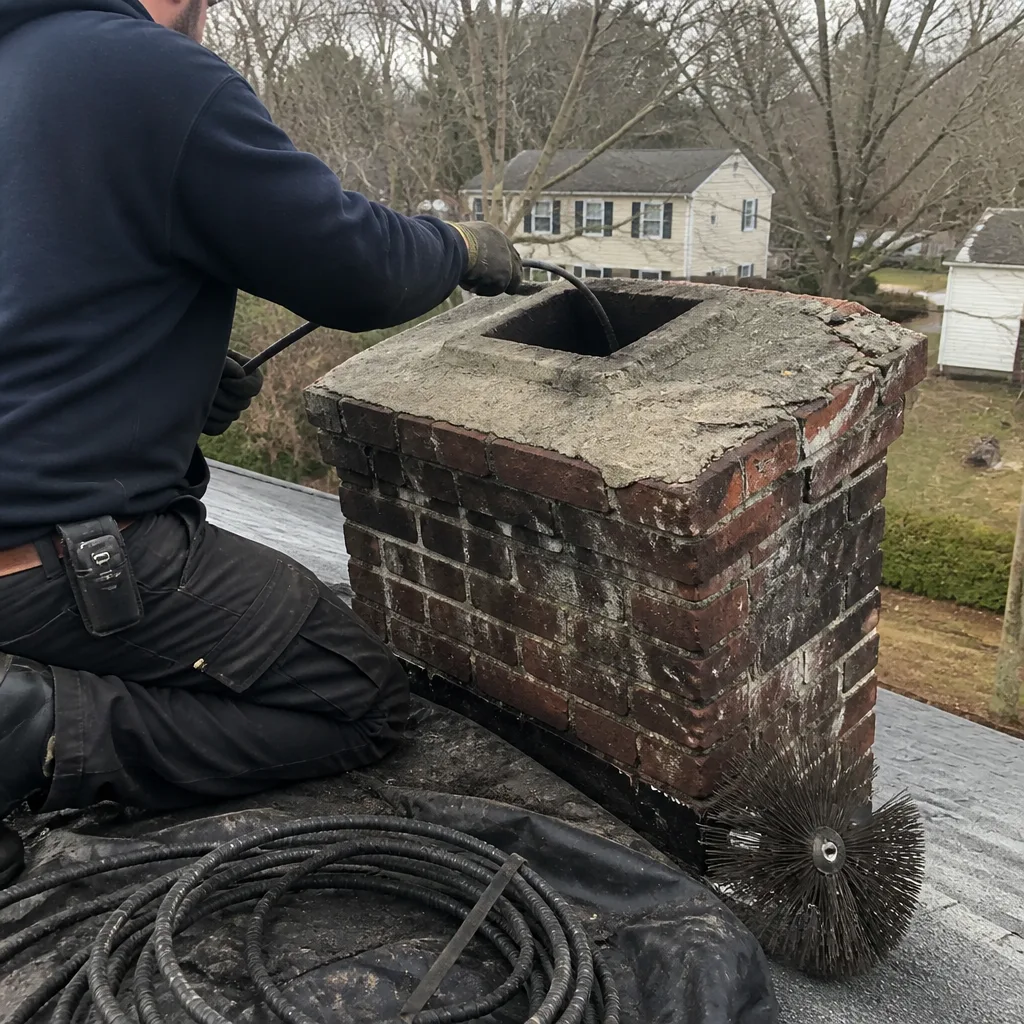 Before
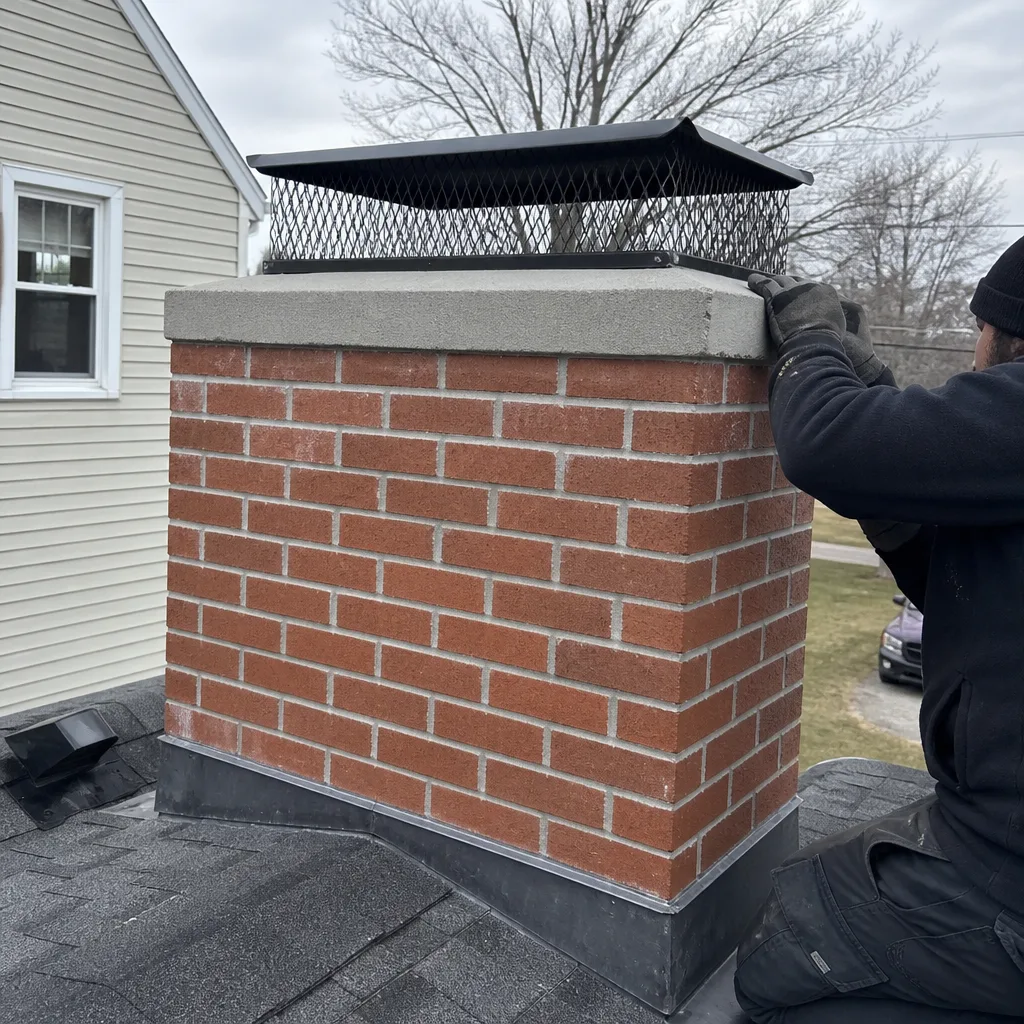 After
After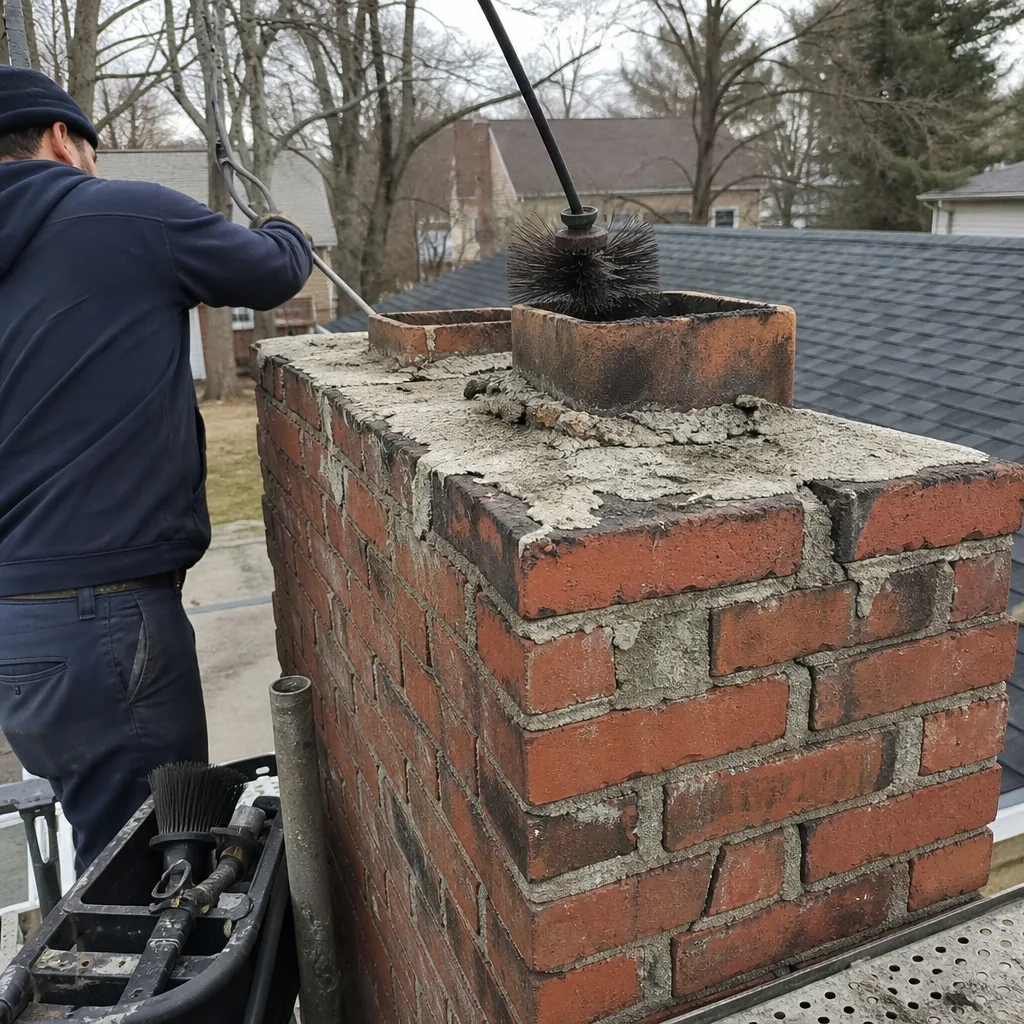 Before
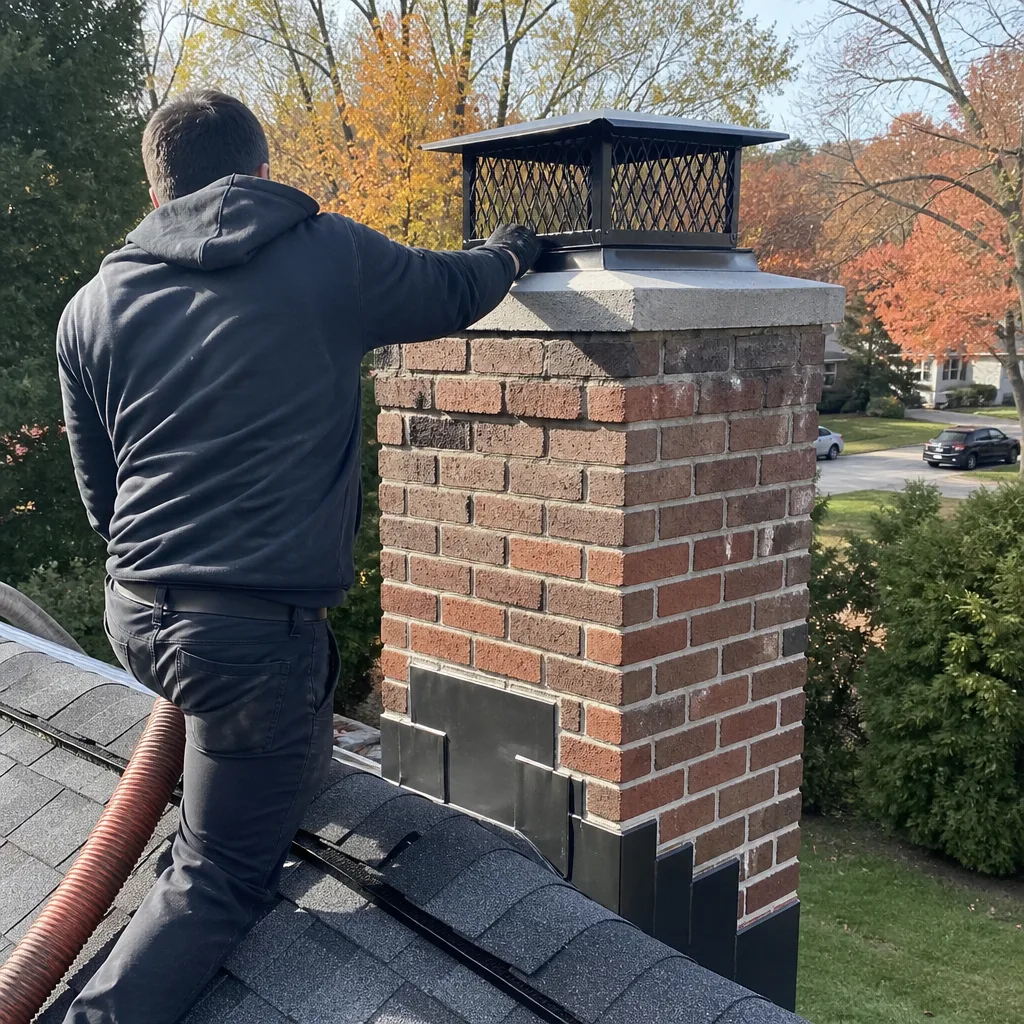 After
AfterChimney Cleaning Warning Signs: A Waltham Homeowner’s Reference Guide
A white stain on exterior brick isn’t cosmetic - it’s efflorescence, and it means water is already moving through your chimney’s masonry under pressure, leaching mineral salts outward as it goes. By the time most Waltham homeowners notice something wrong with their chimney, the problem has usually been developing for two or three burning seasons. In this guide and our Complete Guide to Chimney Cleaning in Waltham, we’ll walk through the specific warning signs our technicians document on inspections across Waltham’s older housing stock, from the triple-deckers near Moody Street to the capes and colonials off Trapelo Road, so you know exactly what to watch for and what each symptom means for your safety.
Quick Answer
The most critical chimney warning signs for Waltham homeowners are: white or gray efflorescence stains on exterior brick (water intrusion), a persistent campfire smell in summer months (creosote buildup or liner failure), visible rust on the damper or firebox (condensation damage), and interior plaster cracking near the firebox wall (heat transfer to framing). These symptoms indicate active problems that worsen with each freeze-thaw cycle typical of Middlesex County winters. A Level-2 camera inspection confirms what visual checks suggest.
Table of Contents
- Exterior Warning Signs You Can Spot from the Ground
- Interior Warning Signs Inside Your Home
- Smell and Sound: The Warning Signs You Can’t See
- Three Warning Signs Specific to Waltham’s Housing Stock
- Liner, Crown, and Flue: System-Specific Red Flags
- Which Warning Signs Need Action This Season
- What You Can Check Yourself vs. What Requires a Camera
- Common Mistakes to Avoid
- When to Call a Professional
- Frequently Asked Questions
Exterior Warning Signs You Can Spot from the Ground
You don’t need a ladder or special equipment to catch the first signals of chimney trouble. Several warning signs are visible from your driveway or yard with ordinary binoculars, and checking for them twice a year - in late September before burning season and in April after the last frost - takes about ten minutes.
Efflorescence: The White Stain That Means Water Is Moving
Efflorescence appears as a powdery white or light gray deposit on brick or mortar joints. It is not paint, not bird droppings, and not something you can wash away permanently. The stain is mineral salts - calcium, potassium, magnesium - that water has dissolved from inside your masonry and carried to the surface. When the water evaporates, the salts remain.
What matters is what efflorescence proves: water is entering your chimney structure, moving through it under hydraulic pressure, and exiting somewhere else. In Waltham, we see this most often on south- and west-facing chimney walls that take the brunt of driving rain off the Charles River valley, and on chimneys with failed or missing crowns that allow water to pool on top and seep downward.
Left untreated, efflorescence progresses to spalling - the face of the brick pops off in thin sheets - and eventually to structural loosening of the entire stack. The repair escalates from a crown rebuild to partial rebuilding. We document efflorescence locations with photos during every Chimney Cleaning & Sweep in Waltham so homeowners can track changes year to year.
Spalling Brick and Deteriorating Mortar Joints
Spalling looks like the surface of the brick has flaked away, exposing the rougher interior aggregate. Mortar deterioration shows as joints that have eroded back from the face of the brick, sometimes by half an inch or more. Both indicate that water has penetrated, frozen, and expanded - the classic New England freeze-thaw cycle.
Waltham’s position in the frost zone means chimneys here endure more thermal stress than structures just fifty miles south. A chimney that might last forty years in Providence often shows spalling in twenty-five years here. The difference is the number of freeze-thaw cycles per winter, which averages thirty to forty in Middlesex County versus fifteen to twenty closer to the coast.
Missing or Damaged Chimney Cap
The cap is your chimney’s umbrella. A missing cap, a cap with rusted-through mesh, or a cap that sits crooked allows rain, snow, and animals direct access to your flue. From the ground, look for:
- Gaps between the cap and the flue tile top
- Mesh sides that are torn, rusted, or missing entirely
- Concrete caps (crowns) with visible cracks running across the top
- Metal caps that have pulled away from the flue on one side
A proper cap from a brand like Gelco or Copperfield - the professional-grade lines we install - includes a proper overhang, mesh screening, and a mounting system that survives ice load. Builder-grade caps often fail at the mesh welds within five years.
Leaning or Separating Chimney Stack
Any visible lean is an emergency. A chimney that has pulled away from the house wall by even an inch has compromised its structural connection and may be working on its foundation. In Waltham’s older neighborhoods - particularly around the 1920s construction near Waltham Common - we’ve seen chimneys that leaned gradually for years before sudden failure during a windstorm. If you can slide a pencil into the gap between chimney and siding, call for inspection immediately.
Interior Warning Signs Inside Your Home
The inside of your home tells a different story than the exterior, often earlier and more precisely. These signs connect directly to how your chimney performs during active use.
Rust on the Damper or Firebox
Open your fireplace and look up at the damper plate, then down at the firebox floor and side walls. Rust appears as orange-brown staining, pitting, or flaking metal. Stainless steel dampers resist rust; cast iron and galvanized steel do not. Rust means moisture is entering from above - a failed crown, missing cap, or cracked flue tile - and condensing on metal surfaces inside the firebox.
In Waltham homes with exterior chimneys on the north side, we see rust develop faster because the chimney stays colder, increasing condensation. A rusted damper may seize open or closed, wasting energy or creating a draft hazard. We replace rusted components with Olympia Chimney and Famco hardware that carries proper corrosion ratings for New England conditions.
Staining or Discoloration on Firebox Walls
White or tan stains on firebrick indicate water penetration combined with creosote residue. Black, oily stains that look wet even when dry suggest heavy creosote saturation, often from burning unseasoned wood or restricting airflow. Either condition reduces the firebrick’s insulating capacity and can allow excessive heat transfer to surrounding framing.
Interior Plaster Cracking Near the Firebox Wall
This is one of the most specific and underrecognized warning signs in Waltham’s housing stock. Cracks in interior plaster or drywall on the wall adjacent to the chimney breast - often running vertically or diagonally from the mantel area upward - indicate that heat is escaping the firebox or flue and reaching temperatures that stress the wall materials.
The cause is usually a breached or missing liner, cracked flue tiles, or deteriorated mortar joints inside the chimney that allow combustion gases to leak into the chimney cavity. In Waltham’s triple-deckers and two-family conversions, where original construction often used unlined brick flues or early terra-cotta liners now past their service life, this sign appears with disturbing regularity. It is not normal settling. It is a thermal event indicator, and it precedes house fires.
Smoke Entering the Room During Use
Smoke rollout means something is wrong with draft, flue capacity, or blockage. Possible causes include:
- Chimney obstruction from bird nests, squirrel dens, or collapsed flue tile
- Negative pressure in the house from exhaust fans or tight construction
- Flue too small for the fireplace opening (common in 1960s-70s Waltham ranch conversions)
- Creosote buildup reducing flue diameter
- Damaged or missing chimney liner
Any smoke in the living space carries carbon monoxide risk. Stop using the fireplace and schedule inspection.
Smell and Sound: The Warning Signs You Can’t See
Your nose and ears detect chimney problems before your eyes can, if you know what to listen for.
The Campfire Smell in Summer
A persistent smoky or campfire odor in your house during warm months, when no fire has burned for weeks, is not normal and not merely unpleasant. It indicates that creosote deposits inside your flue are off-gassing as temperatures and humidity rise. More seriously, it often signals that your chimney liner is compromised - cracked, displaced, or deteriorated - allowing those gases to migrate into living spaces through gaps that would draw upward during heating season but seep outward when stack effect reverses in summer.
This is a more urgent signal than most homeowners recognize because it proves that combustion byproducts are entering your air supply. In Waltham’s older homes with original clay liners, summer smell is frequently the first detectable symptom of liner failure that will become a carbon monoxide hazard by fall. We recommend camera inspection when this smell appears, not when burning season resumes.
Dripping or Running Water Sounds
Water dripping on metal damper or firebox surfaces, sometimes mistaken for a plumbing leak, indicates active water intrusion from above. The sound may be intermittent, worse during heavy rain, and may stop once water has found its path through. By then, damage to mortar, liner, and surrounding framing is ongoing.
Structural Sounds: Settling vs. Active Movement
All older chimneys make some sound as materials expand and contract. Normal settling produces occasional pops or ticks during rapid temperature changes - starting a fire on a cold morning, or the first deep freeze of January. These are brief, irregular, and not accompanied by other symptoms.
Active structural movement sounds different: regular cracking or grinding during freeze-thaw cycles, often at night when temperatures drop fastest; increasing frequency over successive winters; sounds that correlate with visible crack widening. In Waltham’s freeze-thaw climate, a chimney with deteriorating mortar joints or foundation settlement may produce rhythmic ticking as the stack shifts slightly on its base, then re-settles. This pattern, especially if new, warrants professional assessment before the next heating season.
Three Warning Signs Specific to Waltham’s Housing Stock
After four decades serving Middlesex County, we’ve identified patterns tied to Waltham’s specific construction eras and materials.
1. Interior Plaster Cracking Near the Firebox Wall
We mentioned this above, but it deserves emphasis as a Waltham-specific indicator. The city’s housing stock includes thousands of units built between 1880 and 1940 with unlined brick flues or single-wythe construction (one brick thick). These chimneys were adequate for coal and early oil heating but are marginal for modern fireplace inserts and wood stoves that run hotter and produce more concentrated combustion gases.
When we inspect in neighborhoods like the Acre, the Highlands, and near Waltham Common, we routinely find that interior plaster cracking correlates with liner failure in chimneys that never had a proper liner installed, or where an original clay liner has cracked from thermal shock. The fix is a stainless steel liner from DuraFlex or HeatShield - materials we size and install to current NFPA 211 standards, not guesswork.
2. Deteriorated Flashing at the Roof-Chimney Intersection
Waltham’s older roofs, many with multiple layers of shingles from decades of re-roofing, often bury original flashing in ways that trap water. The step flashing where the chimney meets the roof slope is particularly vulnerable. We see lifted, rusted, or tar-covered flashing that was “repaired” with roofing cement five or ten years ago, now hardened and cracked.
From inside, this shows as water stains on ceiling drywall near the chimney breast, sometimes mistaken for roof leaks elsewhere. The proper repair removes old flashing, installs new step and counterflashing with proper overlap, and seals with professional-grade materials - not another layer of tar.
3. Creosote Glazing in Shallower Fireboxes
Many Waltham capes and ranches built in the 1950s-70s have fireboxes with less depth than current standards recommend. Shallow fireboxes don’t allow complete combustion, sending cooler, more particulate-laden gases up the flue where they condense as glazed creosote - hard, shiny, and extremely difficult to remove with standard brushing.
Glazed creosote is a fire hazard with a different appearance than fluffy soot: it looks like hardened black tar, often with a glassy surface, and it builds in layers that can exceed an inch thick. Standard wire brushes won’t touch it. We remove glazed creosote with mechanical rotary systems and chemical treatments, then evaluate whether the firebox configuration contributes to the problem.
Liner, Crown, and Flue: System-Specific Red Flags
Modern chimneys are systems with interdependent components. Warning signs often point to specific subsystem failures.
Liner Warning Signs
The liner protects your house from heat and combustion gases. Warning signs of liner failure include:
- Pieces of clay tile in the firebox or cleanout - tiles crack and fall
- Visible gaps or misalignment when looking up the flue with a flashlight
- Smoke or odors in upstairs rooms adjacent to the chimney chase
- Discoloration or heat damage to mantel or surrounding trim
- The “campfire smell” in summer described above
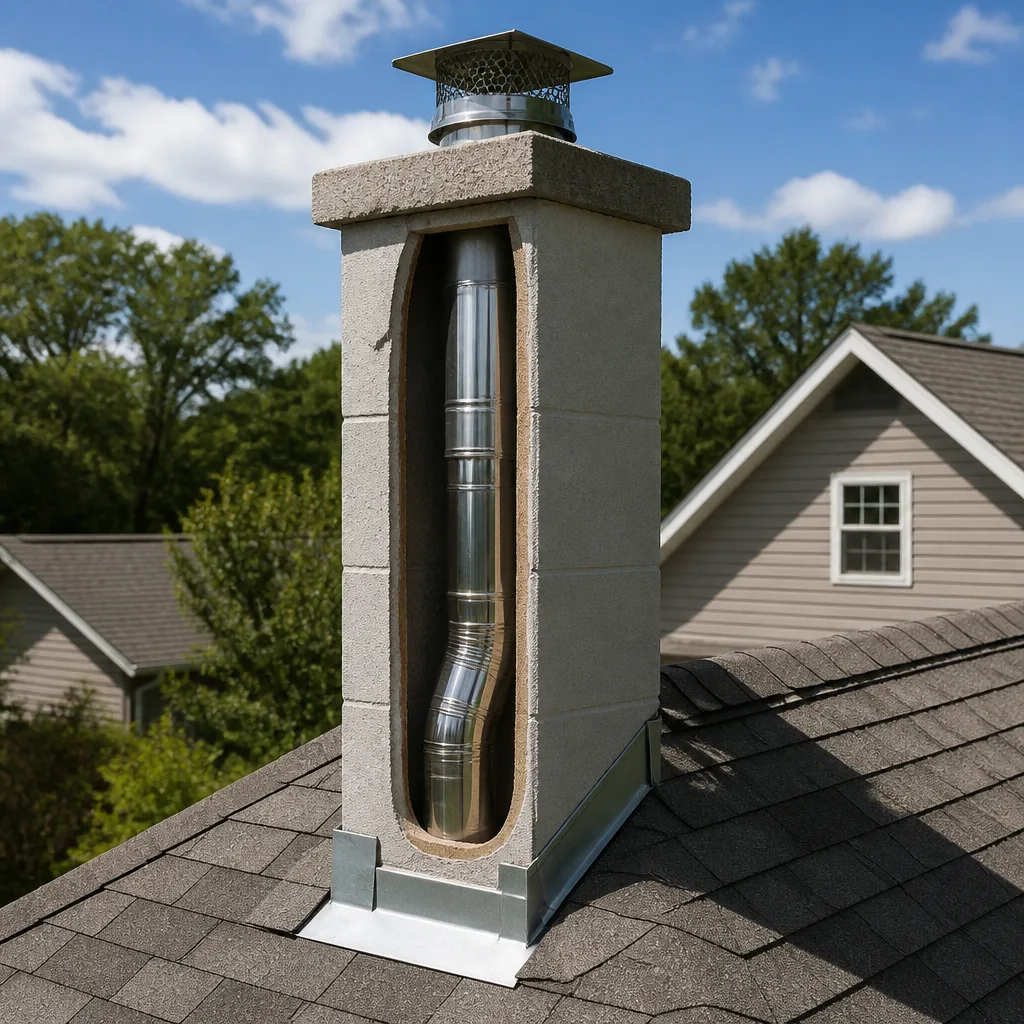
Liner replacement with a listed stainless steel system from DuraFlex or a cast-in-place HeatShield application restores proper safety margins. We document liner condition with camera photos you can see, and we explain the verdict in plain English - no jargon, no pressure.
Crown Warning Signs
The concrete crown tops masonry chimneys and sheds water. It is not the same as a metal cap, though both are necessary. Crown failure shows as:
- Cracks running across the crown surface, often radiating from the flue tile
- Crown edges that have chipped or broken away
- Vertical cracks in the chimney brick directly below crown edges
- Water pooling on the crown surface instead of draining
A proper crown is cast concrete with a minimum two-inch overhang and a drip edge below. Many Waltham chimneys were built with mortar crowns - essentially thick mortar wash - that crack and fail within ten years. We rebuild with proper concrete mix and reinforcement, or install custom metal caps with integrated crown protection when appropriate.
Flue Blockage Warning Signs
Partial blockage reduces draft and increases creosote buildup. Complete blockage is a carbon monoxide and smoke hazard. Signs include:
- Smoke backup into the room
- Difficulty starting or maintaining a fire
- Unusual downdrafts or “puffing” at the firebox
- Debris or animal nesting material visible from below
- Strong odor of decay (indicates animal presence)
Our camera inspection locates blockages precisely and identifies whether removal requires simple sweeping, mechanical extraction, or more extensive Chimney Repair in Waltham if flue damage occurred.
Which Warning Signs Need Action This Season
Not every warning sign demands immediate emergency response, but all require scheduled action with clear timelines, and you can find more guides & resources on our blog to help you stay ahead of problems. Here’s how we prioritize what we find in Waltham homes:
| Urgency Level | Warning Signs | Action Timeline | Risk if Delayed |
|---|---|---|---|
| Immediate - stop use | Smoke in living space, visible lean or separation, fallen tile pieces, strong gas odor | Same day inspection; do not use fireplace | Fire, carbon monoxide poisoning, structural collapse |
| This season - before next use | Summer campfire smell, rust on damper, interior plaster cracks, glazed creosote, efflorescence | Schedule within 2-4 weeks | Progressive liner damage, hidden water damage, chimney fire |
| Planned maintenance | Minor mortar erosion, aging but functional cap, light soot buildup, small exterior cracks | Schedule within 2-3 months | Accelerated deterioration, more costly repairs |
The critical distinction: any sign that combustion gases may be entering living spaces - smell, smoke, plaster cracking - moves to immediate priority regardless of how minor it appears visually.
What You Can Check Yourself vs. What Requires a Camera
We encourage homeowners to perform basic observations - it helps you notice changes and gives us better information when you call - and our step-by-step guide to hiring a chimney cleaning contractor in Waltham can help when you’re ready to bring in a pro. But some assessments require equipment and training.
Homeowner Checks (No Special Equipment)
- Exterior binocular survey: Efflorescence, spalling, cap condition, lean or separation, flashing condition from ground
- Interior visual: Rust on damper, firebox staining, debris, fallen tile pieces, mantel or trim discoloration
- Odor and sound monitoring: Campfire smell in summer, dripping sounds, structural noises
- Performance observation: Smoke rollout, difficulty starting fires, unusual downdrafts
Professional Camera Inspection Required
- Liner condition assessment - cracks, gaps, displacement, corrosion
- Creosote buildup extent and type (glazed vs. fluffy, location distribution)
- Flue tile joint condition - open mortar joints allow gas leakage
- Hidden water damage in chimney cavity
- Structural cracks inside the flue not visible from top or bottom
Our Level-2 inspections follow NFPA 211 standards with video documentation. You see what we see, and we explain what it means for your specific chimney system. No recommendations without photo evidence - that’s our standard.
Common Mistakes to Avoid
- Assuming a “clean” fireplace means a safe chimney. The firebox is the visible 10 percent. The flue liner, smoke chamber, and exterior masonry handle the critical safety functions. A spotless firebox can hide a cracked liner or blocked flue.
- Treating efflorescence as a cosmetic issue to power-wash away. Washing removes the symptom temporarily but does nothing about water intrusion. The salts will return, and each cycle of wetting and drying accelerates mortar deterioration. In Waltham’s climate, we’ve seen chimneys go from first efflorescence to serious spalling in four to five years.
- Burning unseasoned or “green” wood to save money. Wood with moisture content above 20 percent produces cooler fires that generate significantly more creosote. The savings on firewood are erased by more frequent sweeping and increased fire risk. We can test wood moisture during any service call.
- Ignoring summer smells until fall. The reverse stack effect in summer - warm air rising in the chimney instead of drawing upward - pushes odors and gases into your house. By fall, when normal stack effect resumes, those same gases may draw upward past a damaged liner and into wall cavities instead, becoming undetectable until damage is severe.
- Hiring based on lowest price without verifying credentials. Massachusetts requires chimney sweeps to hold a Construction Supervisor License for structural work and proper liability insurance. Ask for documentation. Hearthstone carries full coverage, and our technicians are background-checked and uniformed - not day laborers with a brush.
- Delaying inspection after a chimney fire. Even a small chimney fire - the loud popping or roaring sound sometimes described as a “freight train” - causes thermal damage to liners and masonry that may not be immediately visible. Inspection after any suspected fire is essential before next use.
- Using the wrong materials for DIY repairs. Standard Portland cement shrinks and cracks on chimney crowns; proper crown mix includes air-entrainment for freeze-thaw resistance. Hardware store chimney caps often lack proper mesh sizing or mounting for wind uplift. Professional-grade materials from Gelco, Copperfield, and Olympia Chimney are specified for these applications.
When to Call a Professional
Call for inspection when you observe any warning sign described in this guide, when buying a home with an unfamiliar chimney history, or when your last professional inspection exceeds two years. In Waltham’s climate and with our housing age, annual inspection is prudent for actively used fireplaces; every two years minimum for vented but rarely used systems.
Hearthstone Chimney Co. offers free estimates in Waltham - call (781) 905-8338. A live person answers every call, 24 hours a day, every day. We’ll schedule a time that works for you, arrive when we say, and leave you with photos you can see and a plain-English verdict. Our 90-Day Done Right Promise means if it’s not right, we come back and make it right - in writing, no arguing.
Frequently Asked Questions
A standard chimney cleaning and Level-1 inspection in Waltham typically ranges from $200 to $350, depending on accessibility, flue condition, and whether creosote removal requires additional treatment. Level-2 camera inspections run higher, generally $300 to $500, because they include video documentation and detailed assessment of liner and internal structure. Our $89 Seasonal Tune-Up covers basic cleaning and inspection for qualifying systems. Call (781) 905-8338 for an exact quote - estimates are free.
You need a liner that is intact, properly sized, and listed for your appliance type. Cracked clay tile, unlined brick flues, or corroded metal liners allow heat and combustion gases to reach combustible framing - a condition that causes house fires and carbon monoxide exposure. We don’t recommend liner replacement without camera evidence you can see yourself, and we’ll tell you plainly when a liner condition allows safe continued use with monitoring versus when replacement is necessary. Our 5% Senior and Veteran discount applies to liner installations.
The National Fire Protection Association recommends annual inspection for all chimney systems, and cleaning as needed based on creosote accumulation. For Waltham homeowners who burn wood as primary heat, that usually means annual sweeping before each burning season. Occasional fireplace users may extend to every two years if inspection shows minimal buildup. Glazed creosote, heavy use of unseasoned wood, or known liner issues may require more frequent service.
Skipped maintenance allows creosote to accumulate to hazardous levels, liner damage to progress undetected, and water intrusion to destroy masonry from within. The most common results are chimney fires - over 25,000 per year nationally, many preventable - and slow structural deterioration that turns a $300 maintenance visit into a $3,000 to $8,000 rebuild. Carbon monoxide exposure from compromised flues is the silent risk, producing symptoms mistaken for illness before becoming fatal. The cost of prevention is modest; the cost of neglect is not. Call (781) 905-8338 to schedule before burning season.
Summer smell indicates creosote deposits off-gassing in warm, humid conditions, often combined with reverse stack effect that pushes air downward through the chimney instead of drawing it upward. In winter, normal stack effect may pull those same gases past a damaged liner into wall cavities where you don’t smell them - but they’re still entering your house. Summer odor is actually a useful early warning that disappears when the problem becomes more dangerous. Camera inspection identifies the source.
A flashlight and mirror allow limited visual checking of the firebox and lower flue, which is worth doing. But you cannot assess liner condition above the smoke chamber, detect hairline cracks in flue tiles, or evaluate creosote buildup distribution without a camera system designed for chimney inspection. Our Level-2 camera reaches the full flue length with illumination and magnification that reveal what homeowner checks cannot. We encourage your initial observations - they help us focus the inspection - but they don’t replace professional assessment.
The Bottom Line
Every serious chimney problem in Waltham announces itself before it becomes dangerous, but the announcements are specific physical signals - white efflorescence, summer campfire smell, interior plaster cracks, rust on metal components, sounds of active movement - not vague unease. Learning to read these signs lets you act while the fix is still straightforward maintenance rather than emergency repair. Document what you observe, check seasonally, and schedule professional inspection when any warning sign appears. Done right, and we stand behind it.
Written by Russell Haines, Owner at Hearthstone Chimney Co., serving Waltham since 2014.