
Last updated September 10, 2026
Level 1 sweep and inspection to the NFPA 211 annual standard - flue, crown, cap, and flashing checked and photographed
Chimney sweep logs do not sweep chimneys. They loosen some creosote - which then falls where a brush and vacuum still have to collect it.
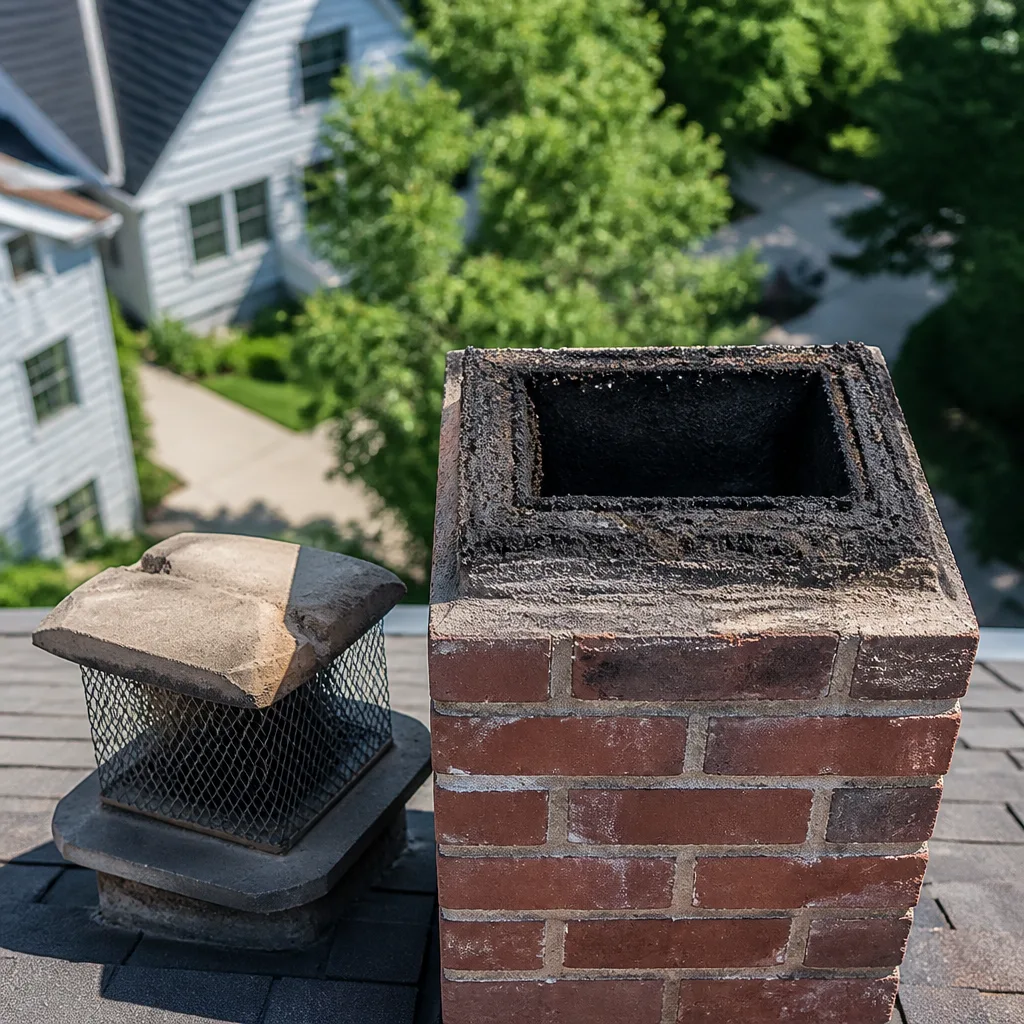
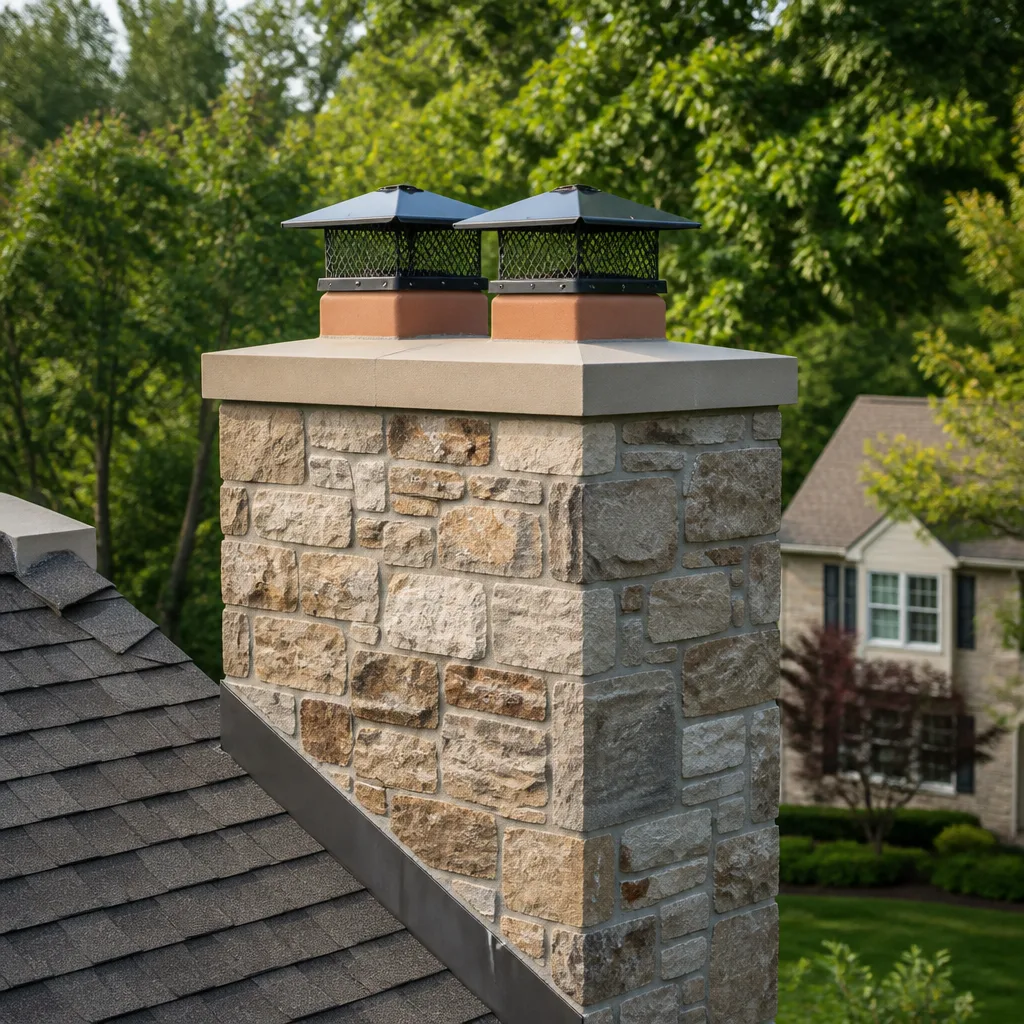
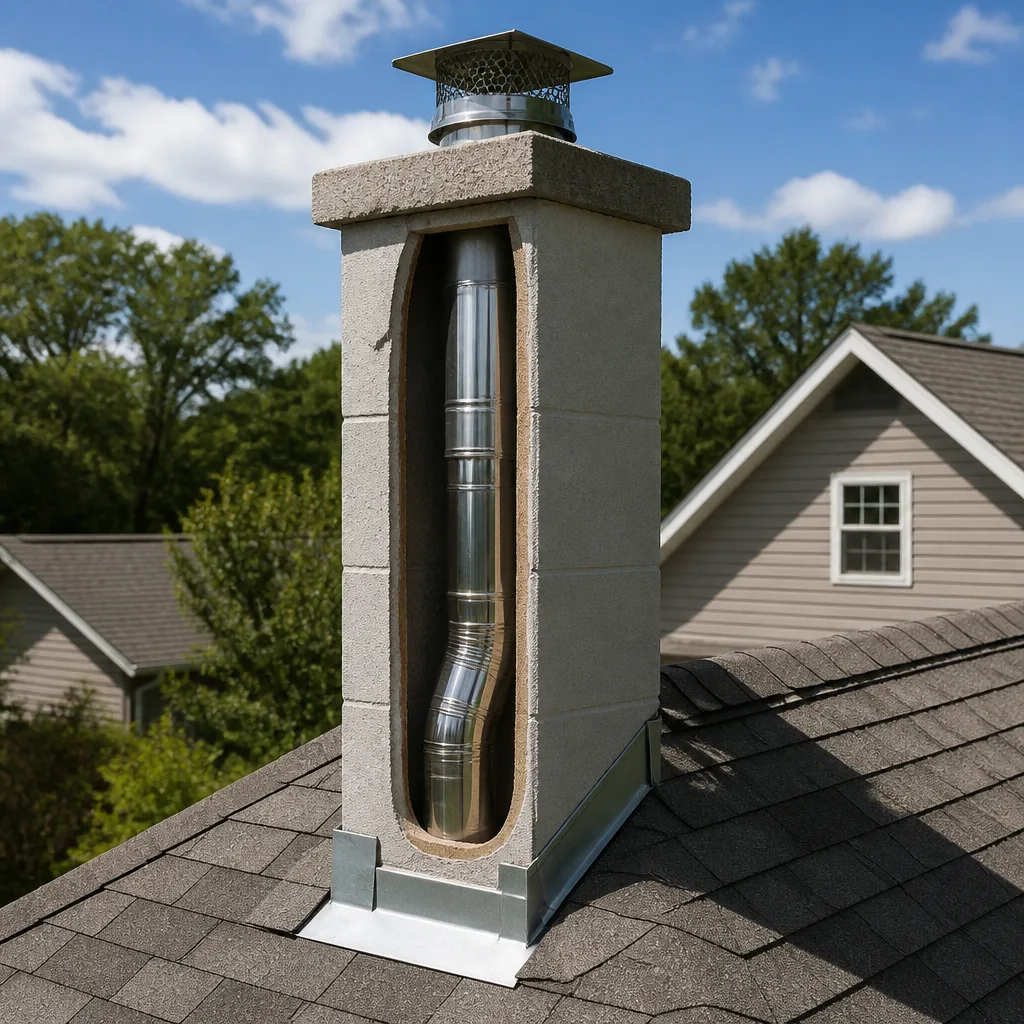
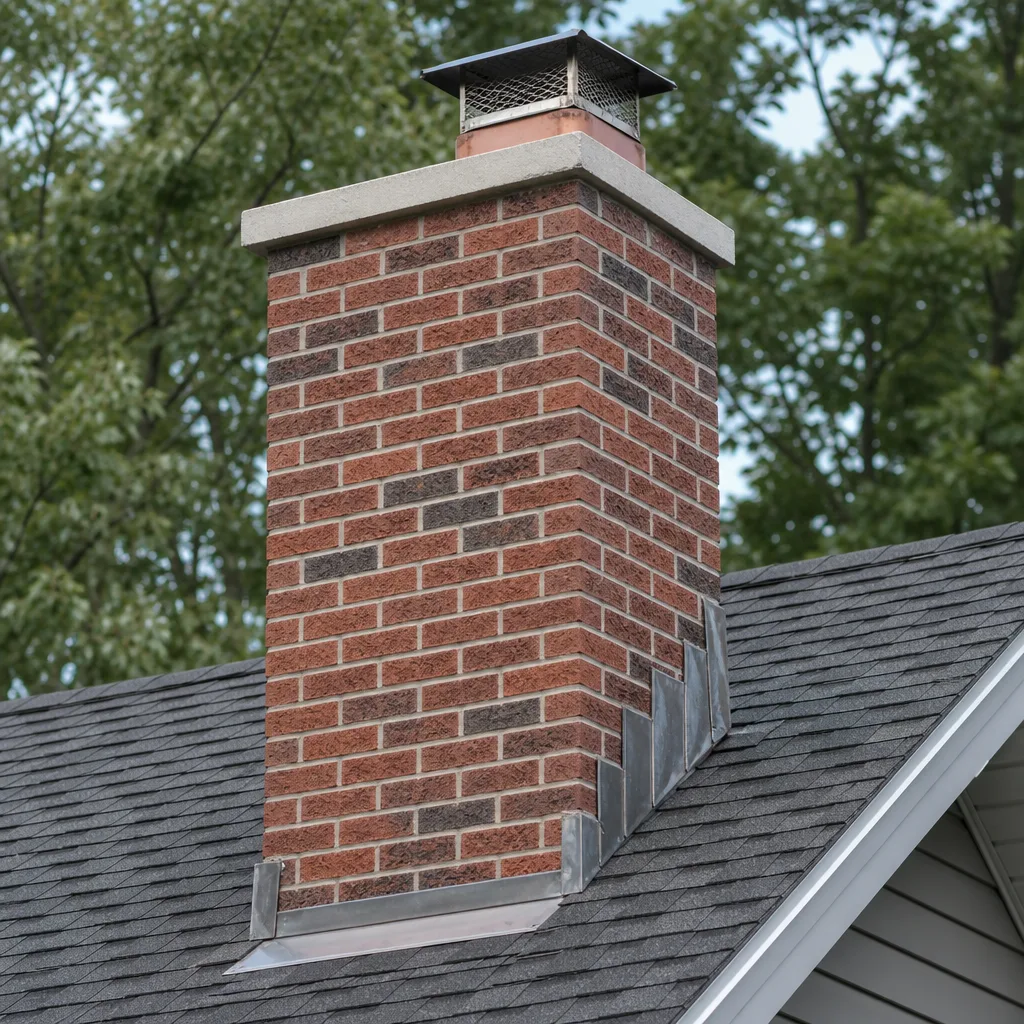
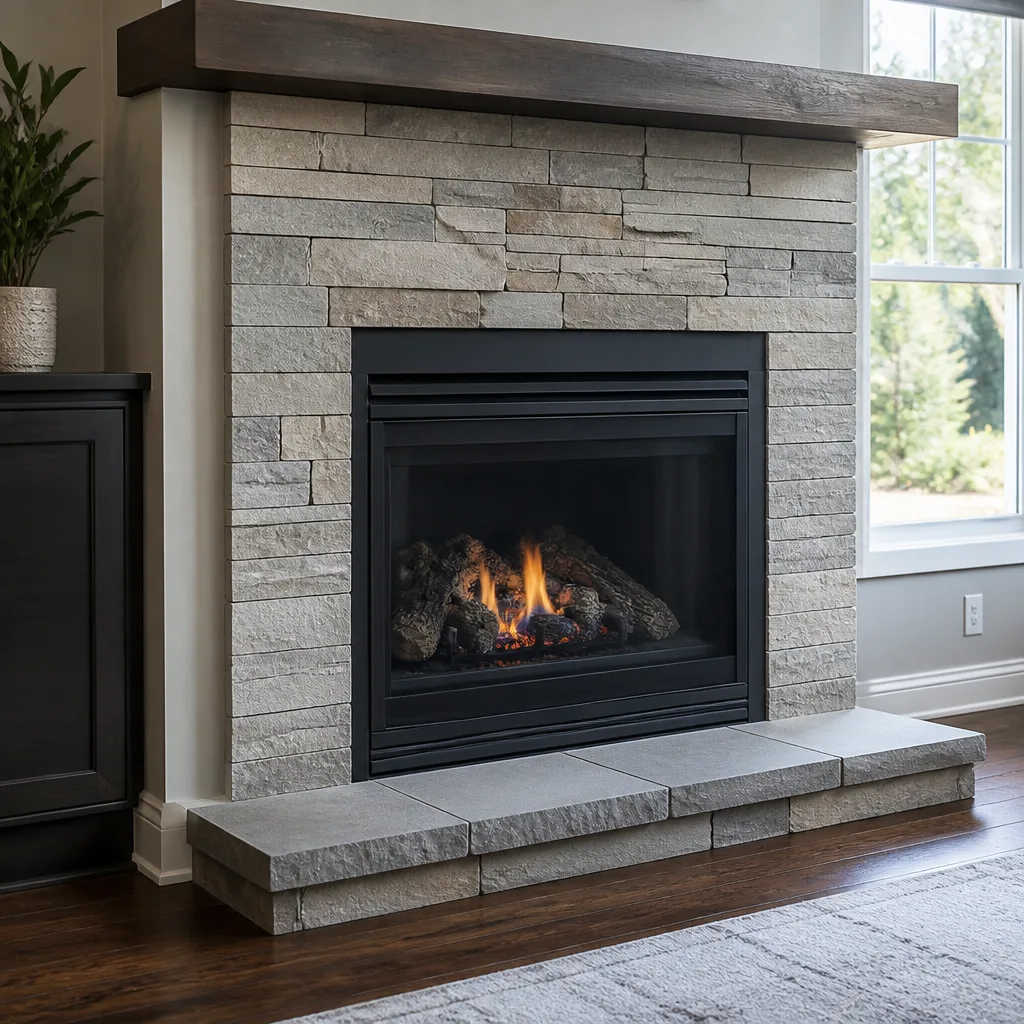
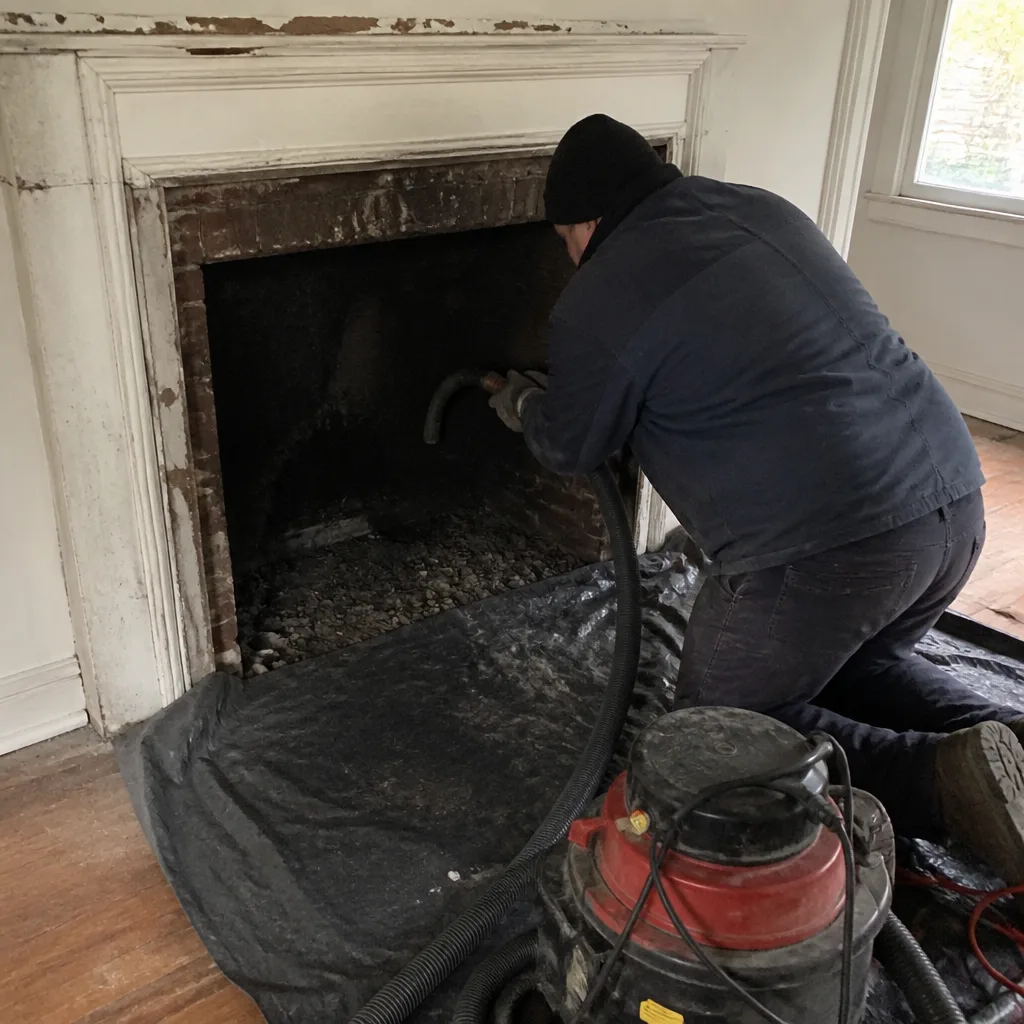 Before
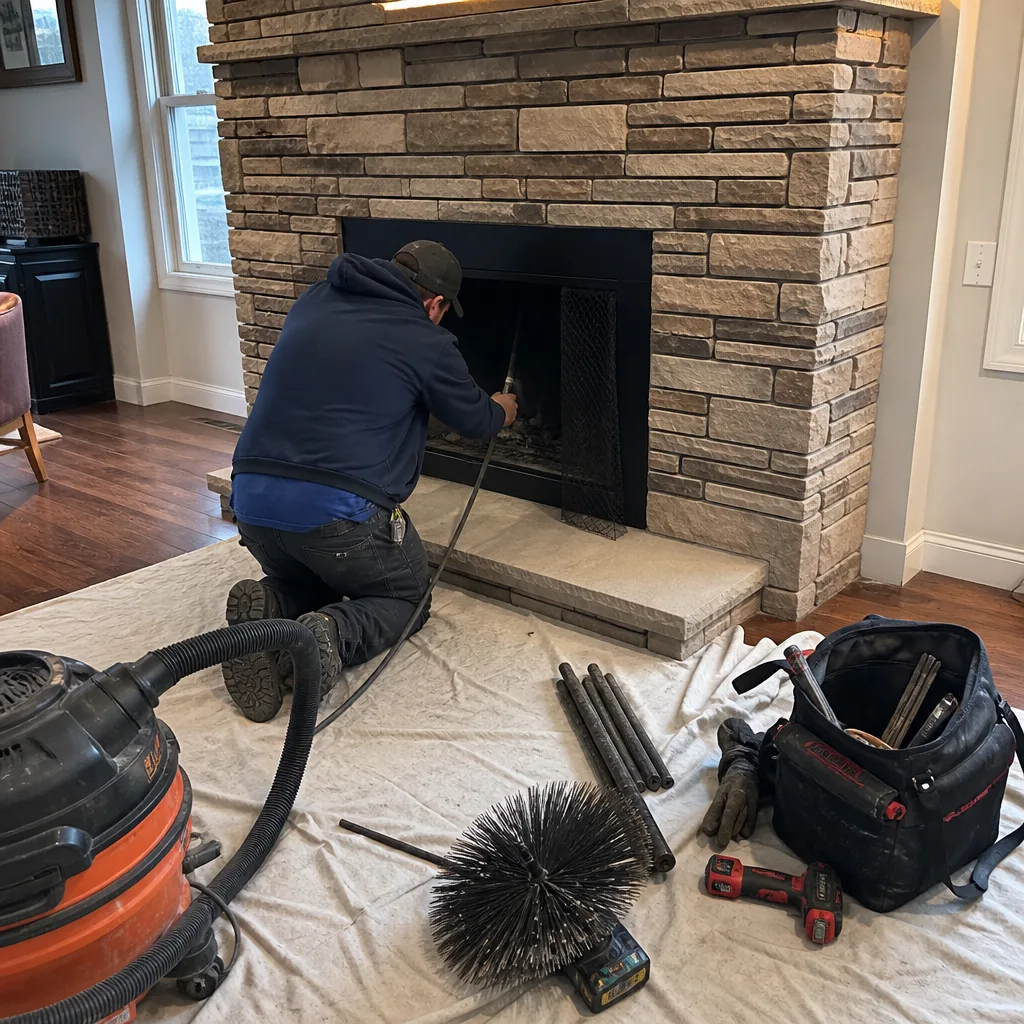 After
After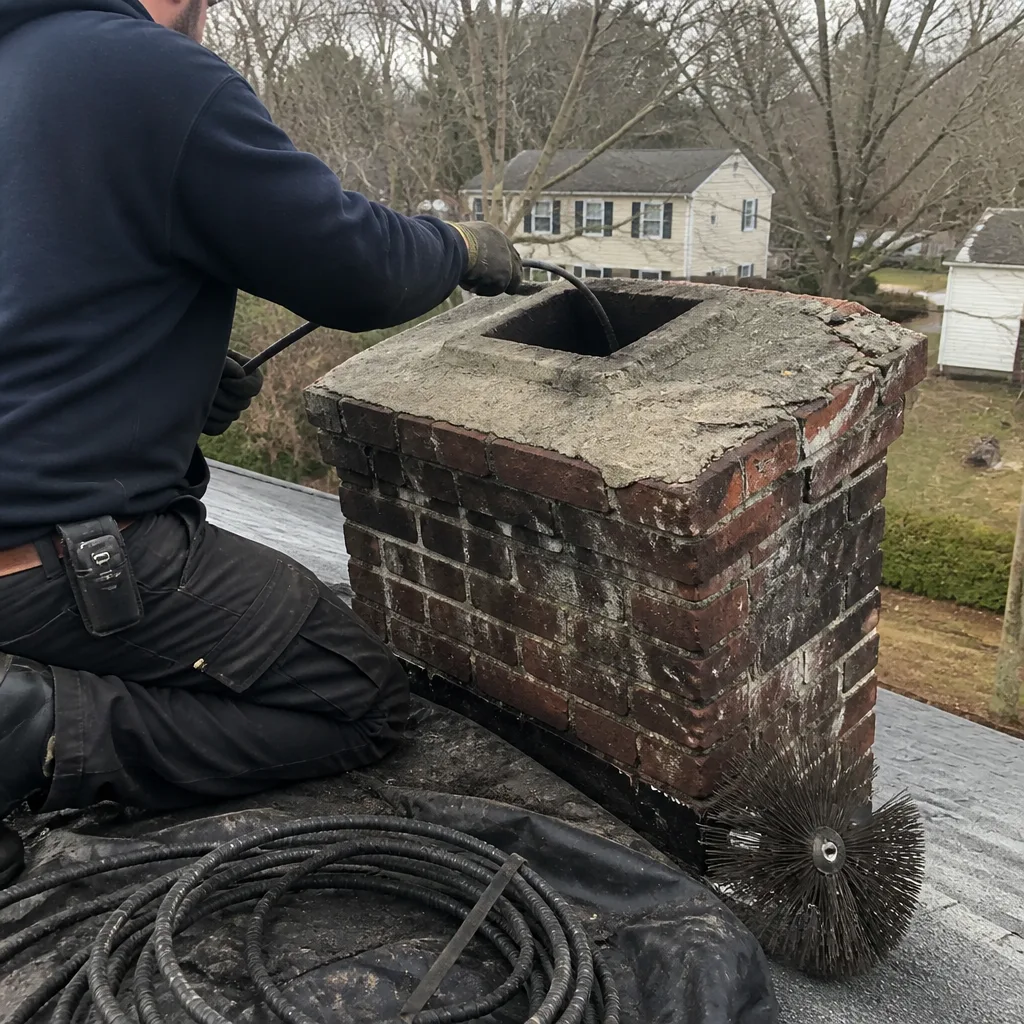 Before
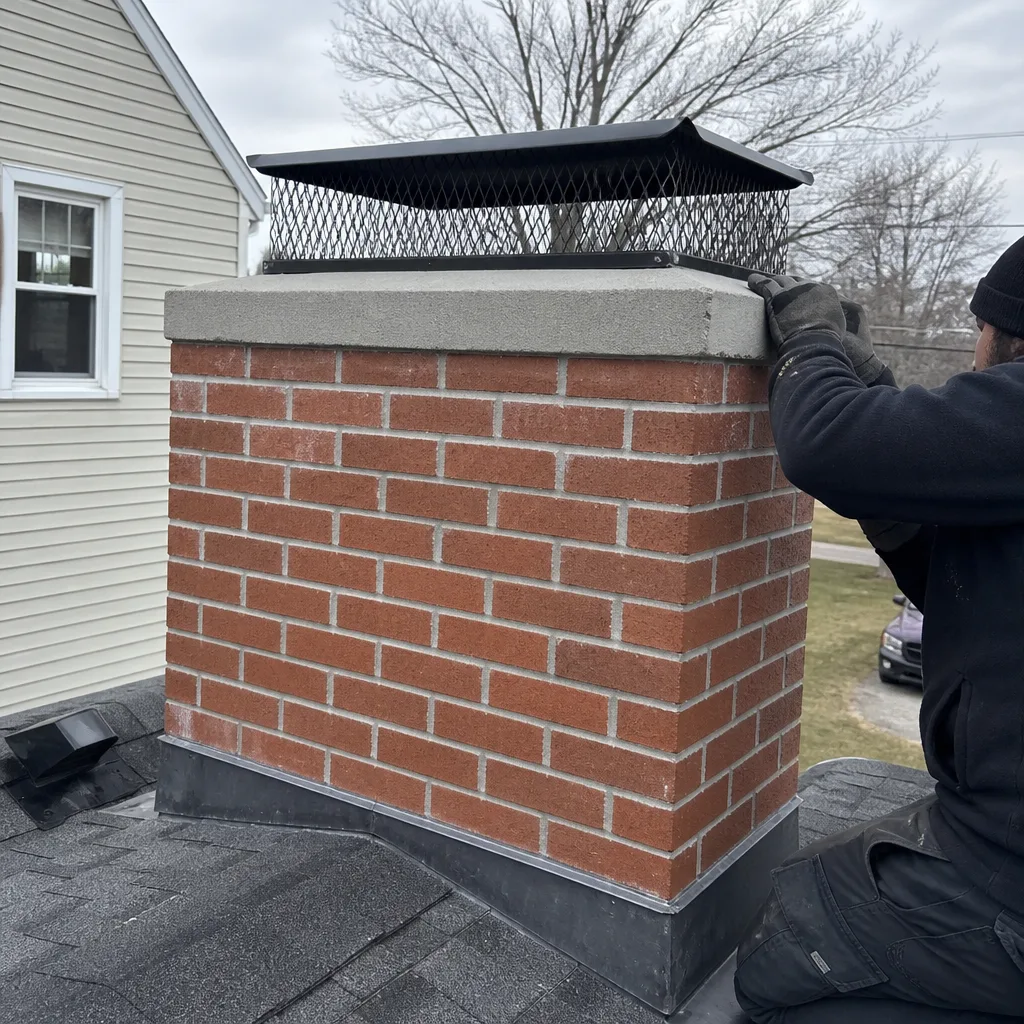 After
After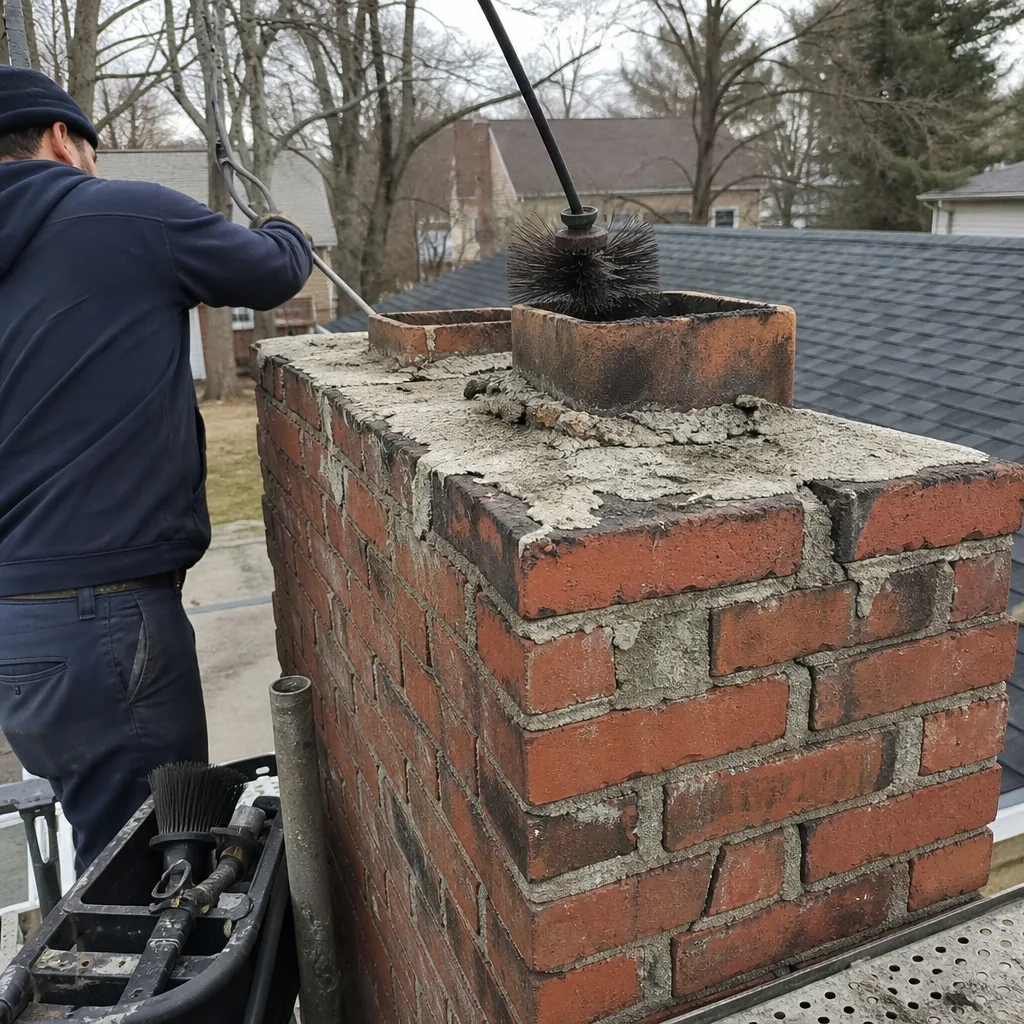 Before
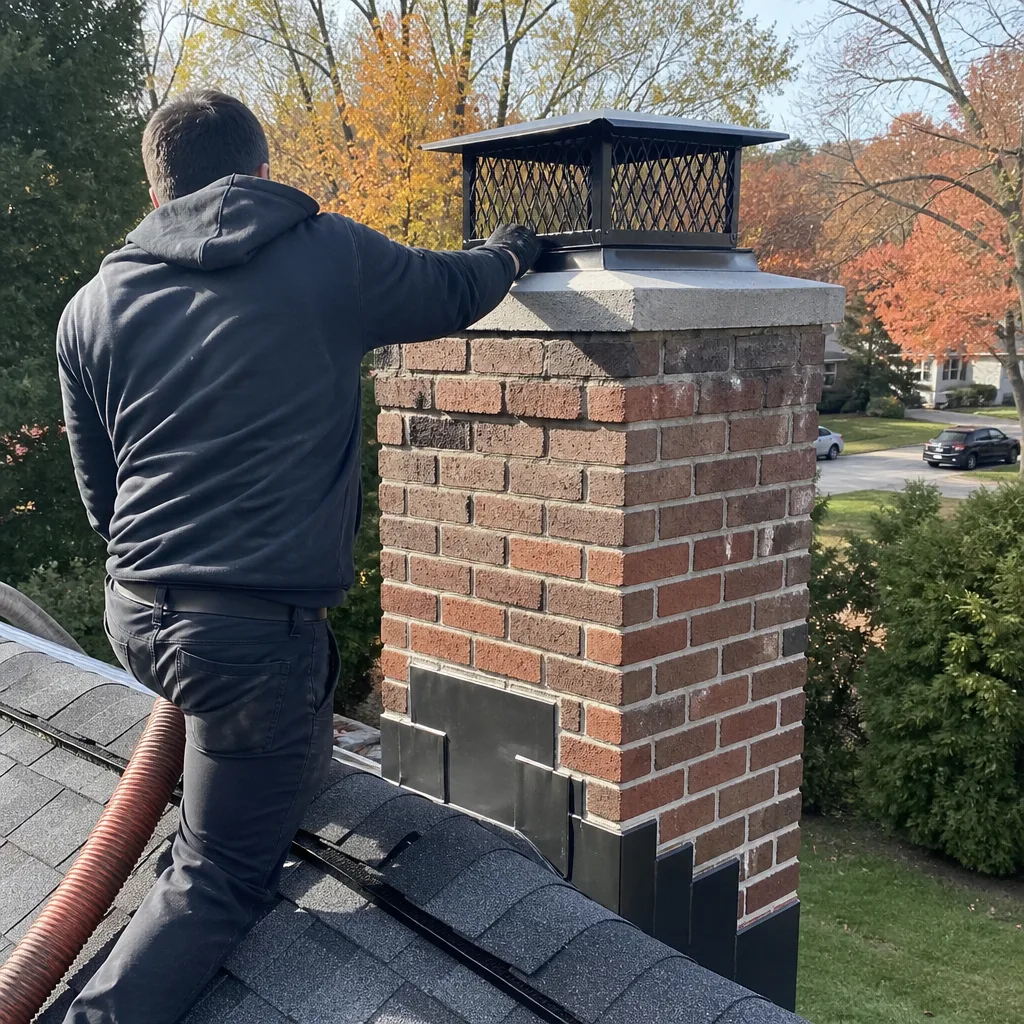 After
AfterDIY vs Professional Chimney Cleaning: The Waltham Homeowner’s Decision Guide
The problem with DIY chimney cleaning isn’t the brushing. A homeowner can absolutely move a brush up a flue. The problem is that most of the actual value in a chimney cleaning happens in what the brush reveals, and most Waltham homeowners don’t know how to read what they find. In our 42 years serving Middlesex County, we’ve opened flues that looked clean to the naked eye and found cracked liners, creosote glazing, and smoke chamber deterioration that would have become house fires by February. This guide will show you exactly when DIY cleaning is a reasonable choice, when it crosses into genuine hazard, and what a professional inspection uncovers that no brush-and-rod kit from the hardware store can show you. For how to hire a chimney cleaning contractor in Waltham: a step-by-step guide, see our companion resource.
Quick Answer
DIY chimney cleaning is reasonable for Waltham homeowners with newer prefab fireplaces, light seasonal use, and no history of liner problems, provided they limit themselves to firebox ash removal and basic visual checks. For masonry chimneys older than 15 years, wood stoves used as primary heat, or any system with unknown service history, professional cleaning with a Level-2 camera inspection is the only defensible choice. The real divide isn’t skill, it’s equipment: a homeowner cannot see liner cracks, measure creosote thickness accurately, or assess smoke chamber integrity without specialized tools.
Table of Contents
- What DIY Chimney Cleaning Actually Involves
- When DIY Cleaning Makes Sense in Waltham
- What Professionals See That Homeowners Cannot
- The True Cost of DIY: Equipment, Time, and Hidden Exposure
- Massachusetts Insurance and Liability: The Documentation Gap
- The One DIY Task That’s Actually Appropriate
- Decision Tree: Choose Your Path
- Common Mistakes to Avoid
- When to Call a Professional
- Frequently Asked Questions
- The Bottom Line
What DIY Chimney Cleaning Actually Involves
Most Waltham homeowners who consider DIY chimney cleaning picture a straightforward task: attach a brush to rods, push it up the flue, knock down the soot, vacuum the debris. That mental image isn’t wrong for the mechanical part. It’s incomplete for the actual job.
A proper chimney cleaning, whether DIY or professional, should accomplish three things: remove combustible deposits from the flue walls, inspect all accessible components for deterioration or blockage, and document the condition for the homeowner’s records. The first task is within reach of a determined homeowner. The second and third are not.
Here’s what DIY cleaning actually requires:
- Equipment purchase or rental. A basic brush-and-rod set runs $30-$80 for standard sizes. Polypropylene brushes for metal flues, wire brushes for masonry, extension rods at $10-$15 each for tall Waltham colonials and capes. A HEPA-rated vacuum for fine particulate, not your household shop vac, adds $150-$300. Protective gear: respirator rated for fine particulate ($25-$40), goggles, drop cloths, ladder for roof access if cleaning from the top down.
- Access strategy. Top-down cleaning from the roof requires ladder work on often-icy Massachusetts roofs from November through March. Bottom-up through the firebox means working in cramped space, protecting the hearth, and managing debris fall. Many Waltham homes in the Warrendale or South Side neighborhoods have steep pitches that make roof work genuinely hazardous for non-professionals.
- Technique limitations. The brush removes loose soot and flaky creosote. It does not remove glazed creosote, the hard, tar-like deposit that forms when wood burns at low temperatures and that causes most chimney fires. Removing glaze requires rotary cleaning equipment, chemical treatments, or in severe cases, flue replacement. A homeowner brushing a glazed flue receives false confidence and a fire hazard that looks handled.
- Waste disposal. Creosote and soot are hazardous waste in Massachusetts. Bagging them for municipal trash violates most local ordinances. Professional sweeps have disposal contracts; homeowners do not.
The brushing itself is not the barrier. The barrier is knowing whether what remains after brushing is acceptable, and most homeowners lack the reference frame to make that judgment.
When DIY Cleaning Makes Sense in Waltham
There is a narrow set of conditions where DIY chimney cleaning is a defensible choice. We see these cases regularly in Waltham, particularly in newer construction near the Weston line or in condo conversions with factory-built fireplaces installed after 2010. For systems outside this narrow window, our seasonal chimney cleaning care for Waltham: year-round homeowner’s guide explains ongoing maintenance needs.
DIY cleaning is reasonable when ALL of the following apply:
- The appliance is a prefabricated metal fireplace or direct-vent gas insert, not a masonry chimney system
- The unit is under 10 years old with documented installation by a certified technician
- Burning is limited to occasional decorative fires (fewer than 30 burns per season) or the unit is gas-only
- The homeowner has confirmed, via previous professional inspection, that the liner is intact with no deterioration
- No visible exterior damage to the chase, cap, or crown
- The homeowner can accurately assess whether smoke is drafting properly during normal use
Even in these limited cases, we recommend professional inspection every third year minimum. Waltham’s freeze-thaw cycles are hard on exterior components. The clay caps and chase covers on prefab units crack, the metal rusts, and water intrusion destroys the system from the outside in. A homeowner brushing a clean flue misses the crown damage that lets water saturate the insulation.
For wood-burning masonry chimneys, which describe most of the housing stock in Waltham’s established neighborhoods like the Highlands and Piety Corner, DIY cleaning is not a reasonable ongoing strategy. These systems age, they deteriorate predictably, and the consequences of missing a problem extend beyond the chimney to the structure and occupants.
What Professionals See That Homeowners Cannot
This is the section most competitor content skips, because it requires admitting that the brushing is not the service. At Hearthstone Chimney Co., our technicians spend roughly 30% of service time on debris removal and 70% on inspection, documentation, and condition assessment. The brush is how we access the flue for evaluation. It is not the deliverable.
Here is what a professional chimney sweep evaluates during a cleaning that a homeowner with a brush kit cannot replicate:
- Level-2 camera inspection of the flue liner. We run a high-resolution camera the full length of the flue, recording video and still images. We document vertical cracks in clay tile, corrosion thinning in stainless steel liners, gaps between flue sections, and mortar joint failure. In Waltham’s older housing stock, particularly the Victorian and early-20th-century homes near Main Street and Moody Street, we regularly find clay tile liners with heat stress cracks invisible from either end. A homeowner cannot see these without a camera system costing $3,000-$8,000, and even with the equipment, reading the images requires training in what constitutes normal aging versus imminent failure.
- Smoke chamber evaluation. The smoke chamber is the area above the damper and below the flue, where combustion gases mix and rise. It is the most common location of hidden creosote buildup and the most frequent source of chimney fires. Accessing and evaluating the smoke chamber requires specialized lighting, mirrors or cameras, and knowledge of parging requirements per NFPA 211. Most Waltham homeowners have never seen their smoke chamber, let alone assessed its condition.
- Liner integrity and sizing verification. A flue liner must be correctly sized for the appliance it serves. An oversized flue for a modern insert causes condensation, creosote formation, and draft failure. An undersized flue creates spillage and carbon monoxide risk. We measure, we calculate, we compare to manufacturer specifications. Sizing errors are common in Waltham homes where original fireplaces have been modified with inserts or stoves without proper chimney adaptation.
- Crown, cap, and exterior assessment. From the roof, we evaluate crown cracks, cap rust, flashing integrity, and masonry deterioration. Waltham’s position in the Charles River valley means significant humidity variation and freeze-thaw stress. We’ve replaced crowns in the Hardy Pond area that looked sound from the ground but had through-cracks allowing water direct access to the flue structure.
- Clearance to combustibles verification. Framing too close to the chimney structure is a leading cause of house fires. It cannot be assessed from inside the living space or from a casual exterior look. We know the required clearances by code and by construction era, and we verify them where accessible.
Our Chimney Cleaning & Sweep in Waltham includes full documentation: photos you can see, a plain-English verdict, and recommendations prioritized by urgency. Some conditions require immediate action. Others can wait a season or two with monitoring. The difference matters, and it requires judgment that comes from examining thousands of chimneys.
The True Cost of DIY: Equipment, Time, and Hidden Exposure
The hardware store brush kit looks economical. The full accounting rarely is. For a detailed breakdown, see our chimney cleaning cost breakdown: the Waltham homeowner’s reference for 2026. Here’s the actual cost structure for a Waltham homeowner considering DIY chimney cleaning:
| Cost Category | DIY Range | Professional Service |
|---|---|---|
| Basic brush and rods | $30 – $80 | Included |
| Specialized brushes (poly/wire selection) | $25 – $50 | Included |
| HEPA vacuum rental or purchase | $50 – $300 | Included |
| Respirator, goggles, protective gear | $40 – $75 | Included |
| Ladder or roof safety equipment | $0 – $200 | Included |
| Camera inspection equipment | $3,000 – $8,000 | Included |
| Creosote disposal (hazardous waste) | $25 – $75 per cleaning | Included |
| Your time (3-6 hours including prep/cleanup) | $0 – valued | 1.5 – 2.5 hours on-site |
| Re-cleaning after incomplete job | $30 – $80 + time | Not applicable |
| First-year total | $200 – $485 | $89 Seasonal Tune-Up |
The hidden cost is harder to quantify: liability exposure. A DIY-cleaned chimney that later experiences a fire or carbon monoxide event carries no documentation of condition. The homeowner has no independent assessment to present to insurance, to a fire marshal, or in any subsequent legal proceeding. The $200 “savings” becomes unrecoverable exposure.
We use professional-grade materials from brands like Olympia Chimney and Copperfield for repairs and installations when our inspection reveals needs. These are not consumer-available products. The liners, caps, and crowns we install are rated for professional application and carry warranties that require certified installation. A homeowner buying retail cannot access this product tier or its protection.
Massachusetts Insurance and Liability: The Documentation Gap
This is the factor most Waltham homeowners do not consider until it is too late. Massachusetts homeowners insurance policies vary in their treatment of chimney-related claims, but a consistent pattern has emerged in our experience working with local insurers and adjusters over four decades.
After a chimney fire or CO incident, the insurance company investigates. They request maintenance records. A professional cleaning invoice with inspection documentation demonstrates due diligence. It shows the homeowner engaged a qualified technician who assessed the system and either cleared it or recommended specific repairs. The insurer’s liability calculus changes when records exist.
A DIY cleaning provides no documentation. The homeowner’s testimony that “I cleaned it myself” does not establish the condition of the liner, the presence or absence of creosote glazing, or the functionality of the damper. In disputed claims, and many chimney fire claims are disputed, the absence of professional documentation shifts burden to the homeowner.
We are not insurance advisors. We are chimney professionals who have been asked to provide expert opinion in claim disputes. The pattern is clear: documented professional service supports the homeowner’s position. Undocumented DIY cleaning does not.
Waltham’s housing density, particularly in the multi-family conversions near Benton Square and the riverfront, adds another dimension. A chimney fire in a duplex or triple-decker affects neighboring units. Liability extends beyond your own policy. Professional documentation protects not just your claim, but your position in any multi-party proceeding.
The One DIY Task That’s Actually Appropriate
There is one chimney maintenance task we actively encourage Waltham homeowners to perform themselves: regular firebox cleaning and visual inspection.
This is appropriate DIY work because it is safe, it requires no specialized equipment, and it builds the homeowner’s familiarity with their system. Here’s the proper scope:
- Wait 24 hours minimum after last fire. Ashes retain heat longer than expected. Burns from residual heat are common injuries.
- Wear a dust mask and gloves. Wood ash is alkaline and irritating to skin. Fine particulate is harmful to lungs.
- Remove ashes to a metal container with tight lid. Store outside on non-combustible surface, away from structures, for minimum 72 hours before disposal. Ash fires in paper bags or plastic containers are a leading cause of garage and shed fires in Massachusetts.
- Inspect firebox walls and floor. Look for cracked or missing firebrick, deteriorated mortar joints, and rust on any metal components. Note any changes from your last inspection.
- Check damper operation. Open fully, close fully. It should move smoothly and seal reasonably when closed. Some daylight around the edges is normal; significant gaps indicate warping or damage.
- Look up the flue with a flashlight. You are not evaluating creosote thickness or liner condition. You are confirming no visible obstructions (bird nests, debris, significant soot buildup) and that the flue appears open.
The line where DIY stops and professional work begins is clear: if you find anything beyond clean ash and sound firebrick, call for service. Cracked firebrick, damaged damper, visible soot buildup in the flue, any odor of creosote, or any change in draft performance during use - these are indicators that the system needs professional evaluation.
We document everything during our Chimney Repair in Waltham visits. Photos you can see, a plain-English verdict. If your DIY inspection reveals concerns, we’ll confirm them with proper equipment and show you exactly what we’re seeing.
Decision Tree: Choose Your Path
Use this framework based on your specific situation:
DIY cleaning is reasonable this season if:
- Prefabricated metal fireplace or direct-vent gas insert
- Installed within last 10 years with professional documentation
- Light use: fewer than 30 fires per season, or gas-only
- Previous professional inspection within 3 years confirmed sound liner
- No changes in draft, odor, or performance
- You perform only firebox cleaning and visual inspection; no flue brushing
Professional cleaning is required this season if:
- Masonry chimney of any age, or prefab unit over 10 years old
- Wood stove or insert used as primary or significant secondary heat source
- Unknown service history (you just bought the house, or records are lost)
- Any previous chimney fire, even minor
- Visible exterior damage, water staining, or masonry deterioration
- Changes in draft, smoke spillage, or new odors during use
- You plan to sell the home within 24 months (buyer inspection will require documentation)
Call immediately, do not use the system, if:
- You see visible cracks in the firebox or flue tiles
- You experience smoke spillage into the room during normal use
- You detect carbon monoxide alarm activation (evacuate and call 911 first)
- You find animal nesting materials or hear animal activity in the flue
- You notice significant water intrusion or masonry collapse
Common Mistakes to Avoid
- Using the wrong brush type for the flue material. Wire brushes on stainless steel liners cause scoring that accelerates corrosion. Poly brushes on heavy glazed creosote bounce off ineffectively. We replace liners in Waltham homes where the wrong brush caused damage that necessitated full replacement.
- Cleaning from the roof without proper fall protection. Massachusetts sees significant chimney-related injuries from ladder and roof falls, particularly in late fall when homeowners rush pre-winter maintenance. The savings from DIY evaporate against a single ER visit.
- Assuming a “clean-looking” flue is safe. Creosote glazing is often dark and glossy, resembling a sound flue surface to untrained eyes. It is also the most combustible form of deposit. We’ve found quarter-inch glaze that homeowners described as “just dark brick.”
- Skipping the smoke chamber. The smoke chamber is inaccessible to standard brush kits and is the most common location of dangerous buildup. A homeowner who brushes the flue and ignores the smoke chamber has cleaned the visible portion and missed the hazardous one.
- Improper ash disposal. Every season, Waltham-area fire departments respond to fires from ashes placed in combustible containers or stored too close to structures. Metal container, tight lid, 72 hours minimum outside, non-combustible surface. No exceptions.
- Using household vacuum for soot removal. Standard vacuums blow fine particulate through the filter, contaminating your home’s air with respirable particles. HEPA-rated equipment with proper filtration is required. The health cost of improper vacuuming exceeds any DIY savings.
- Ignoring Waltham’s specific environmental factors. Our proximity to the Charles River means higher humidity than inland Massachusetts locations. Higher humidity accelerates metal corrosion and masonry spalling. A cleaning schedule appropriate for Worcester or Lowell may be inadequate for Waltham’s conditions.
When to Call a Professional
Call a professional when your situation falls outside the narrow DIY-appropriate window described above. Call when you need documentation for insurance, real estate transaction, or peace of mind. Call when you suspect any condition you cannot fully evaluate. Explore our more guides & resources for additional homeowner support.
At Hearthstone Chimney Co., we provide Chimney Cleaning & Sweep in Waltham with Level-2 camera inspection, photos you can see, and a plain-English verdict on every visit. Our 90-Day Done Right Promise means if it’s not right, we make it right, in writing, no arguing. Most jobs complete in a single visit, with no-hassle upfront pricing - the number on the estimate is the number on the invoice.
Hearthstone Chimney Co. offers free estimates in Waltham - call (781) 905-8338. A live person answers 24 hours a day, 7 days a week. Not a voicemail. Not a callback queue.
Frequently Asked Questions
Professional chimney cleaning in Waltham typically ranges from $200 to $350 for a standard masonry flue with Level-1 inspection, and $300 to $500 for service including Level-2 camera inspection. Our $89 Seasonal Tune-Up offers significant value for qualifying systems. Factors affecting price include flue height, accessibility, amount of creosote buildup, and whether animal removal or minor repairs are needed. Call (781) 905-8338 for an exact quote - estimates are free.
The National Fire Protection Association recommends annual inspection for all chimney systems, with cleaning frequency determined by use and fuel type. In Waltham, we advise annual sweeping for wood-burning systems used regularly, every two years for occasional use, and inspection-only years for gas systems with confirmed sound venting. Waltham’s humidity and freeze-thaw cycles make annual exterior assessment prudent even for low-use systems. Call us to discuss your specific burning pattern.
You can remove loose soot and ash with basic equipment, but you cannot perform a complete cleaning or proper inspection. Hardware store brush kits lack the flexibility to navigate offset flues common in Waltham’s older homes, cannot access the smoke chamber, and provide no means to evaluate liner condition. The brush is a tool, not the service. Without inspection, you have cleaned debris and missed hazards.
Skipped cleaning allows creosote accumulation, which restricts flue airflow and provides fuel for chimney fires. In Waltham’s dense neighborhoods, a chimney fire can extend to the structure before occupants detect it. Long-term neglect leads to accelerated liner deterioration, water damage from uncorrected exterior defects, and in severe cases, carbon monoxide spillage from blocked or damaged flues. Some damage develops over years and is expensive to reverse. Other conditions become emergencies without warning. Call (781) 905-8338 for an assessment of your system’s current condition.
Massachusetts does not mandate professional cleaning by statute for single-family owner-occupied homes. However, the state building code incorporates NFPA 211 standards by reference, and many municipalities require inspection documentation for rental properties, multi-family units, and real estate transactions. More significantly, insurance policies may deny claims where negligence in maintenance is established. Professional documentation provides protection that DIY cleaning cannot.
You cannot reliably determine liner condition without visual inspection, which for most flues requires specialized camera equipment. Warning signs that suggest liner damage include pieces of tile in the firebox, visible cracks when looking up the flue, sudden draft changes, or unexplained smoke odors in the home. In Waltham’s clay-tile-lined masonry chimneys, we frequently find heat-stress cracking that produces no external symptoms until failure. Camera inspection is the only definitive evaluation. Our Level-2 inspection includes full video documentation.
The Bottom Line
DIY chimney cleaning is possible for a narrow set of Waltham homeowners: newer prefab fireplaces, light use, known sound condition, limited to firebox maintenance and visual checks. For everyone else, and that describes most of the masonry chimneys in Waltham’s established neighborhoods, professional service is not a luxury but a necessary maintenance practice.
The real value is not in the brushing. It is in what the brush reveals, evaluated by trained eyes with proper equipment, documented for your protection. A square deal: no surprises on the bill, photos you can see, a plain-English verdict, and work backed by our 90-Day Done Right Promise in writing. We’ll be there when we say. Done right - and we stand behind it.
Written by Russell Haines, Owner at Hearthstone Chimney Co., serving Waltham since 2014.