
Last updated September 10, 2026
Level 1 sweep and inspection to the NFPA 211 annual standard - flue, crown, cap, and flashing checked and photographed
Chimney sweep logs do not sweep chimneys. They loosen some creosote - which then falls where a brush and vacuum still have to collect it.
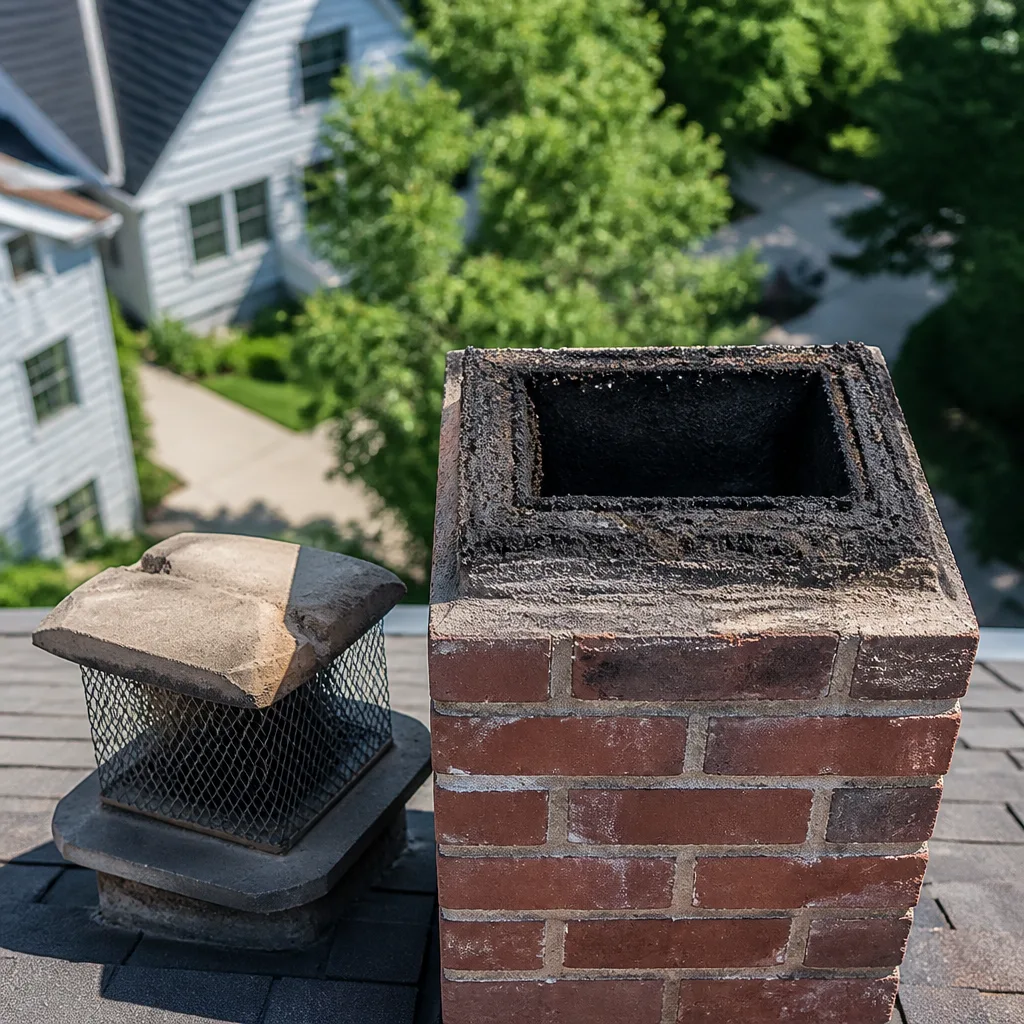
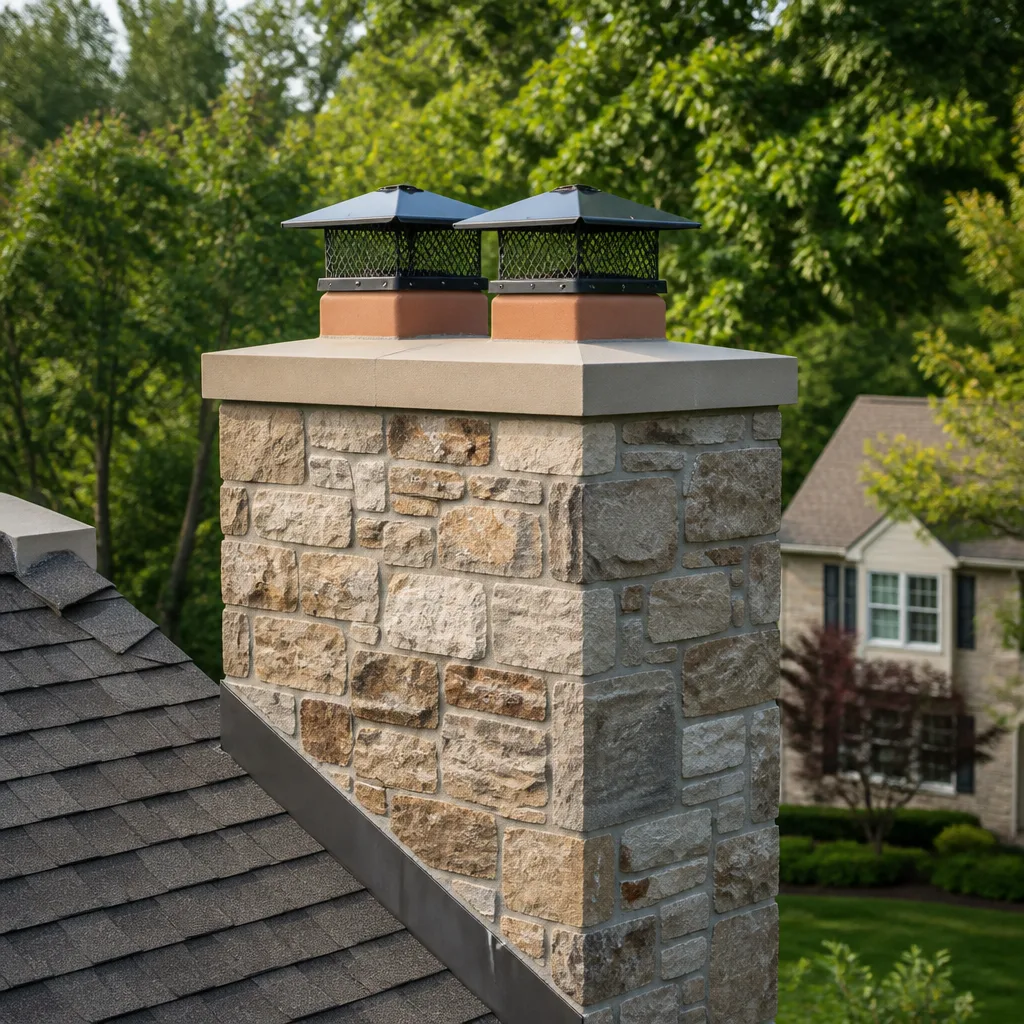
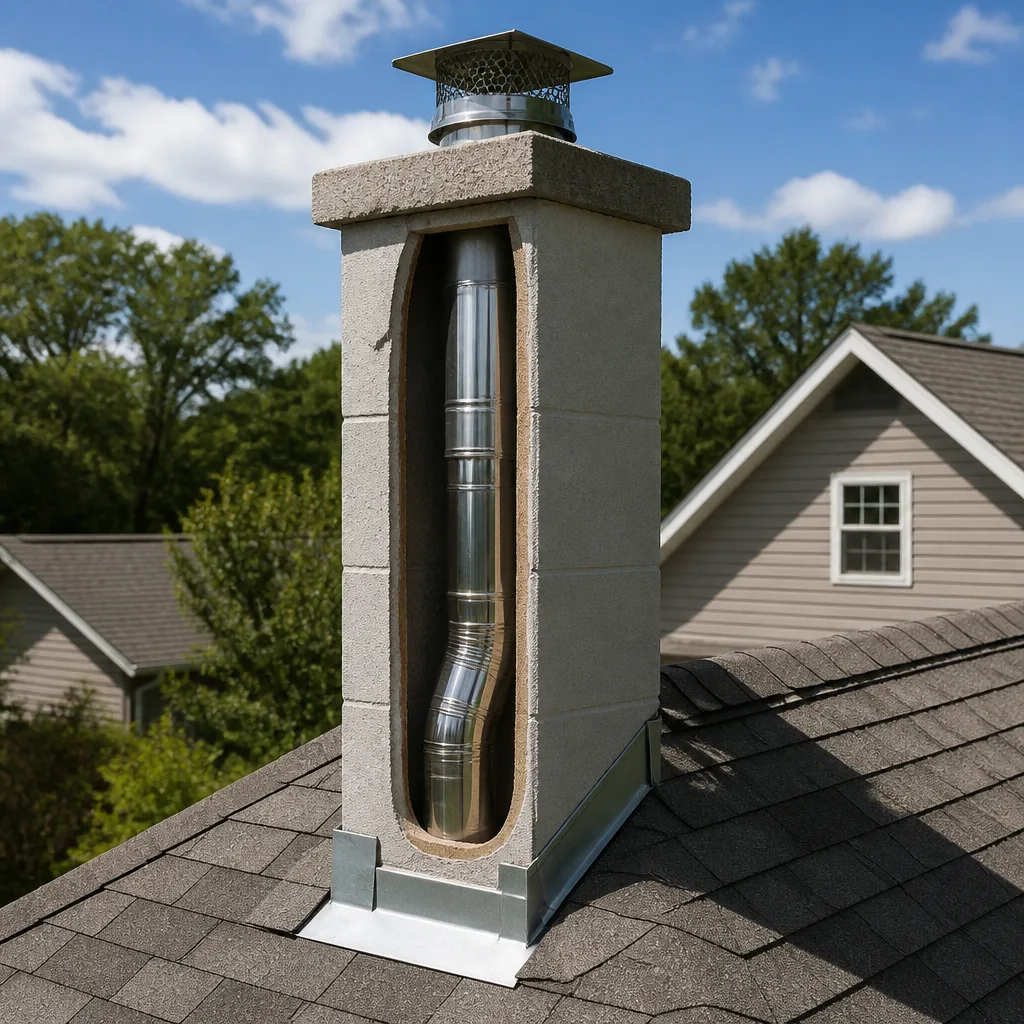
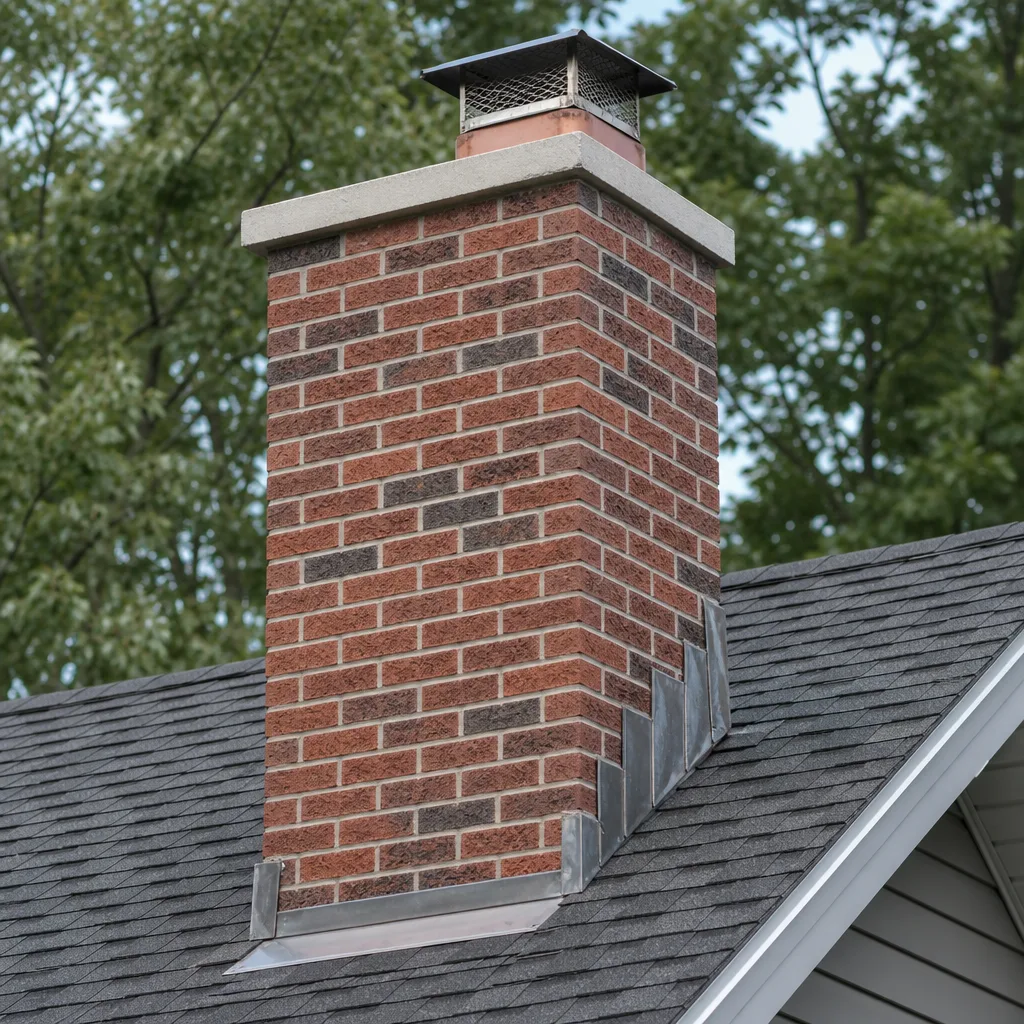
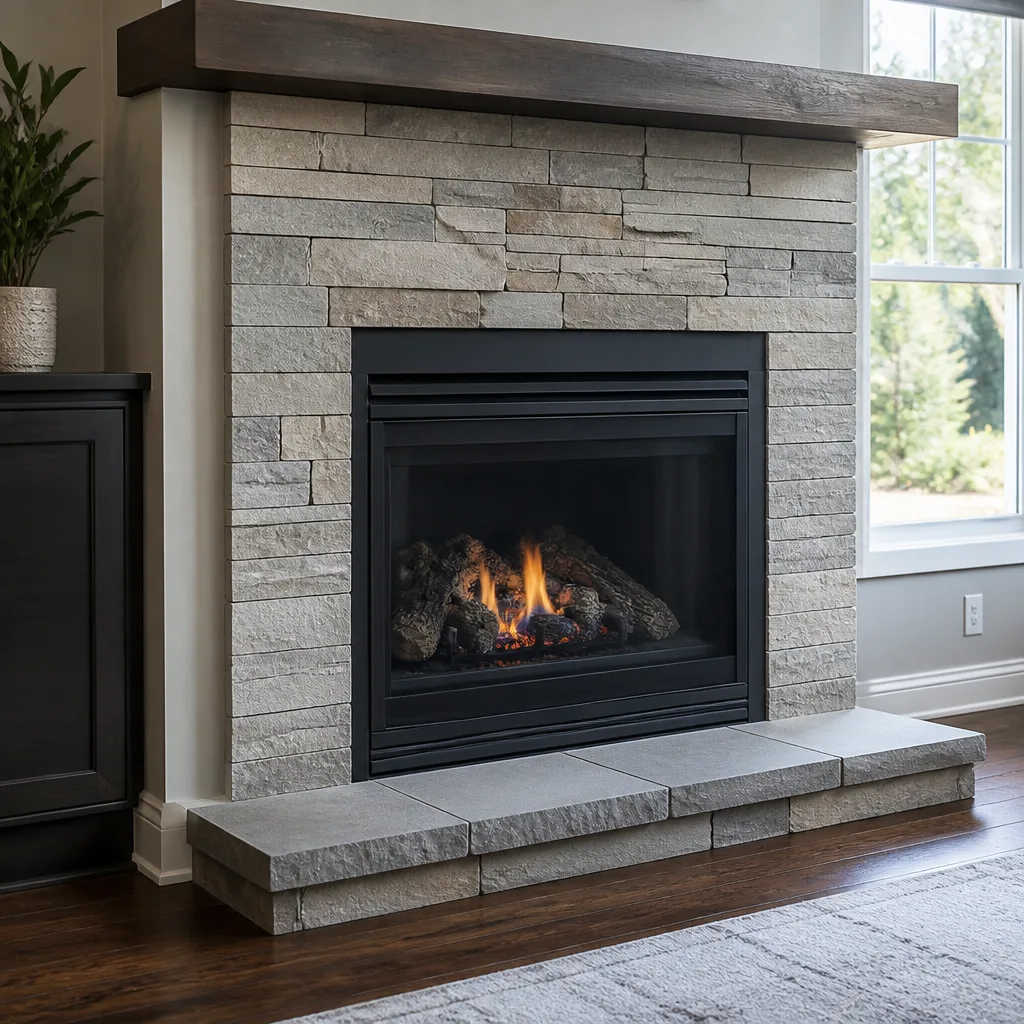
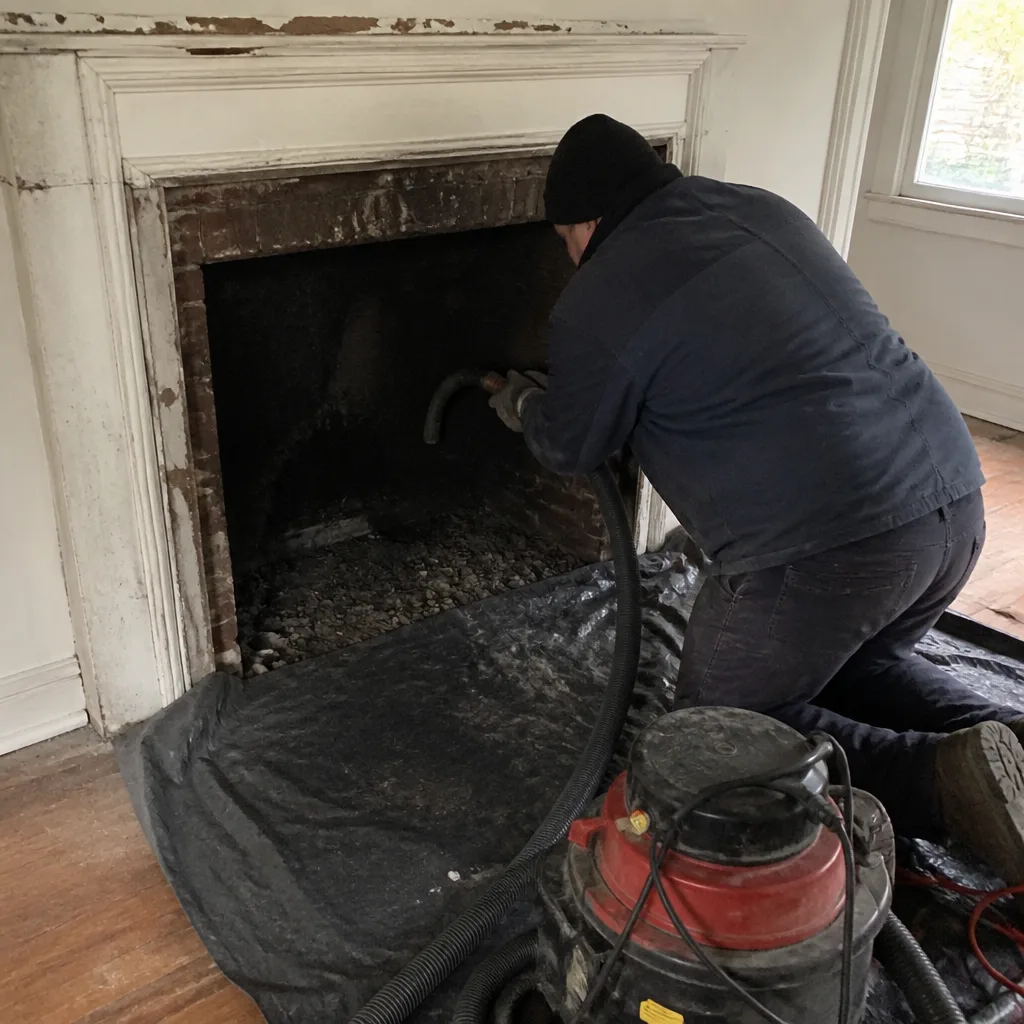 Before
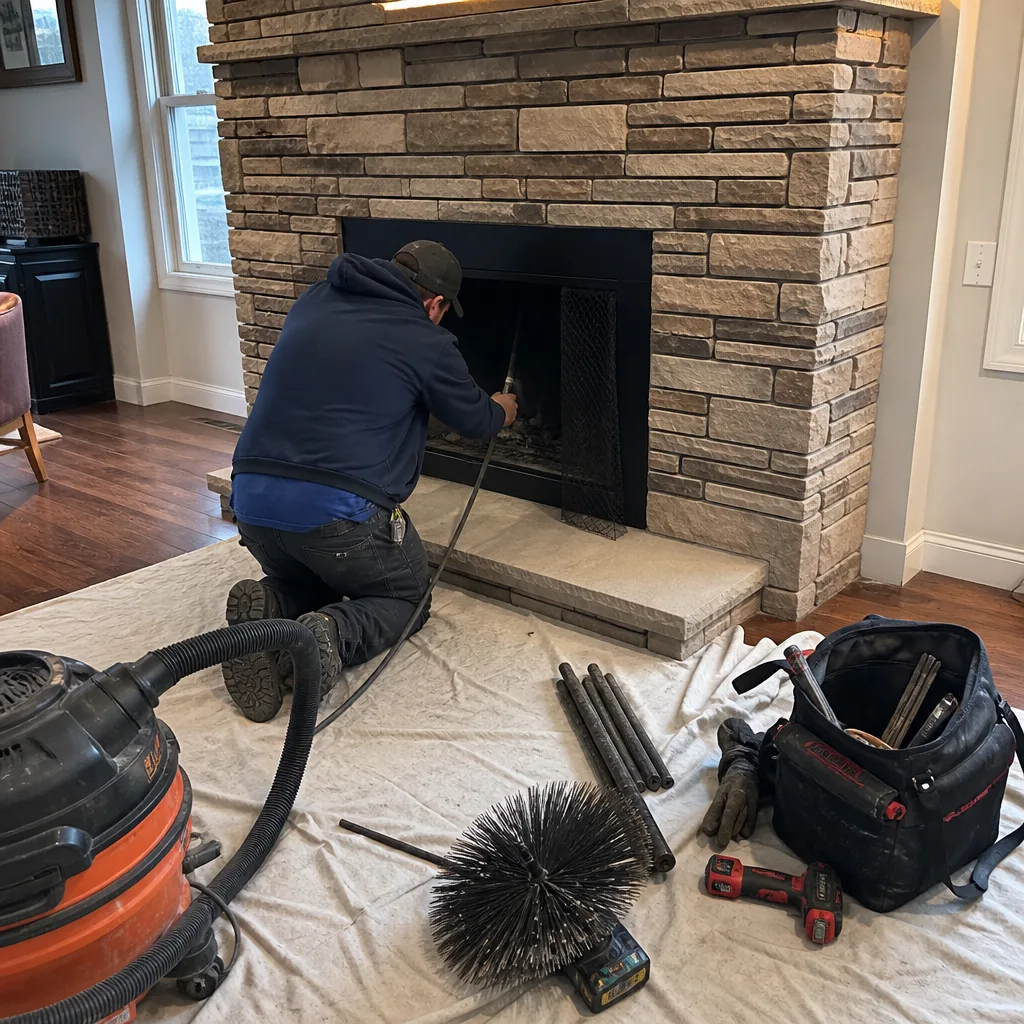 After
After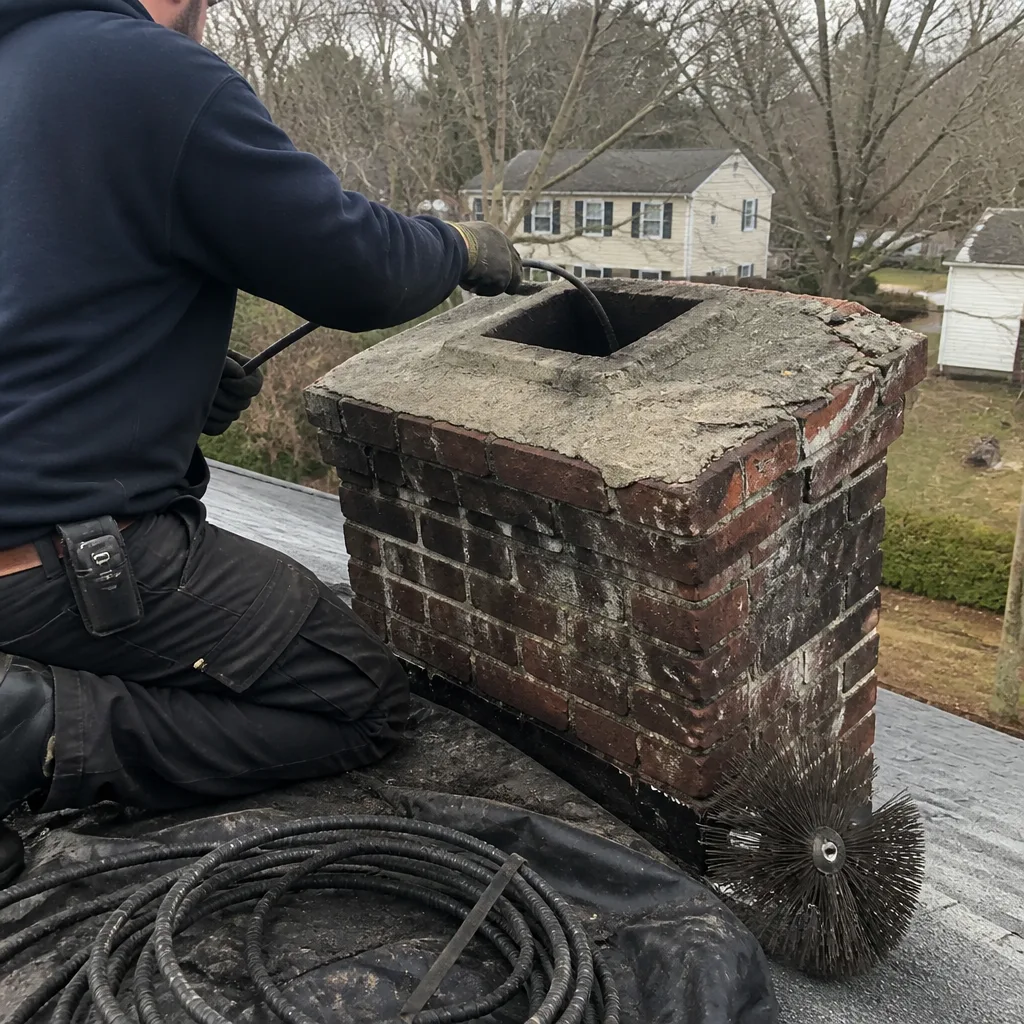 Before
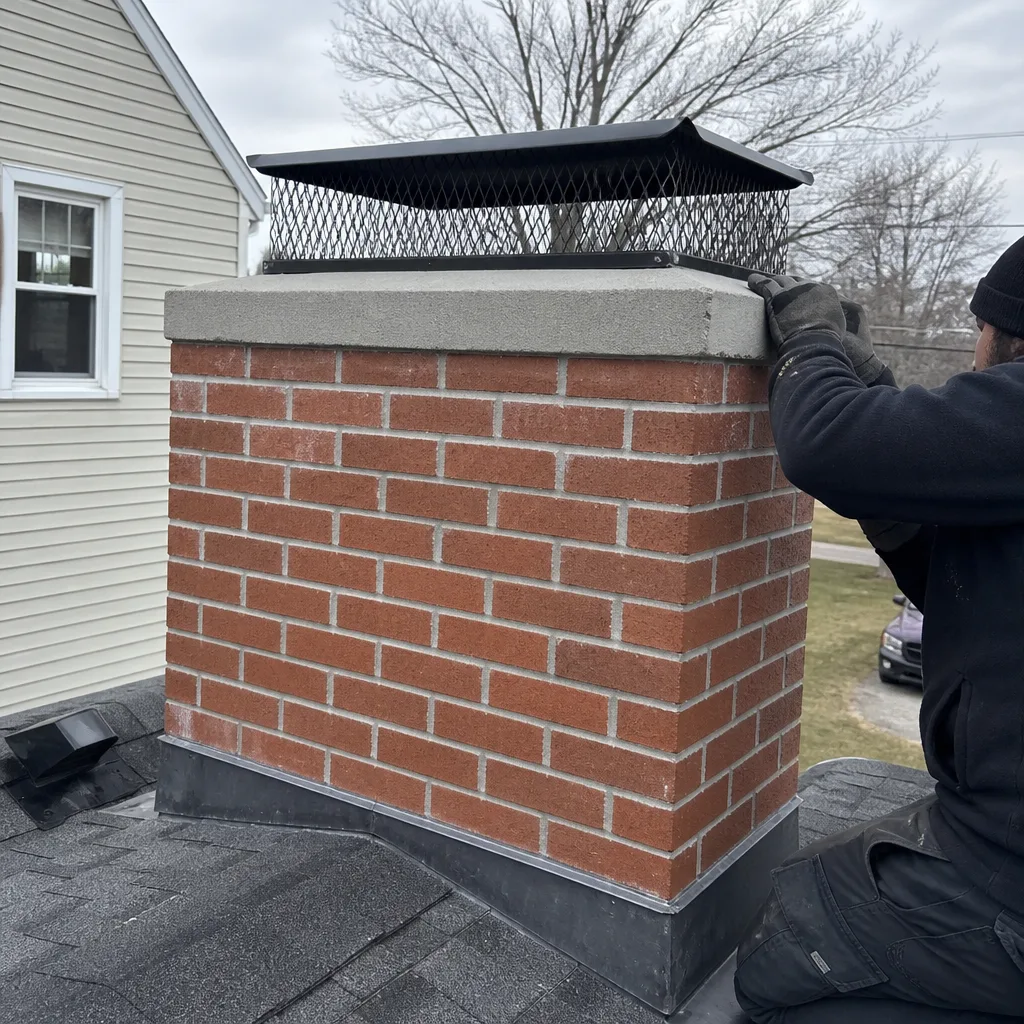 After
After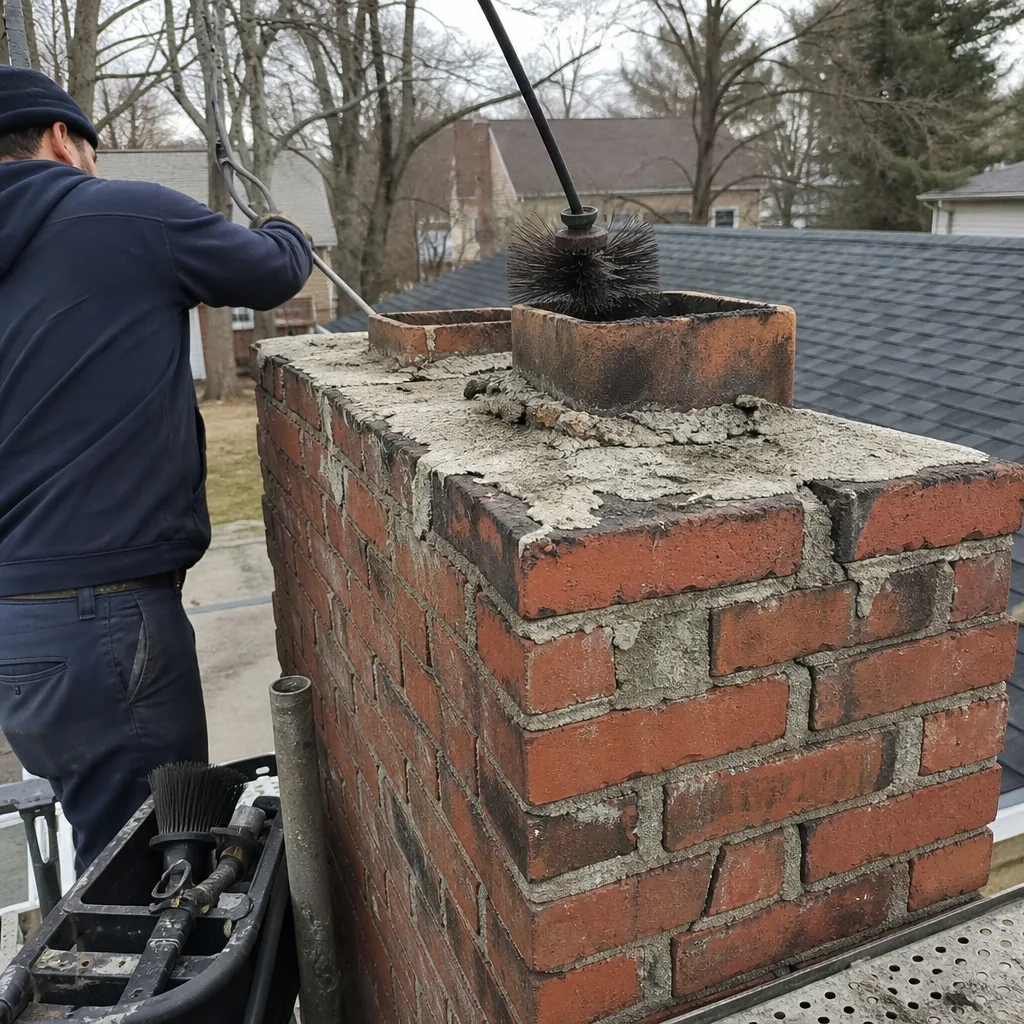 Before
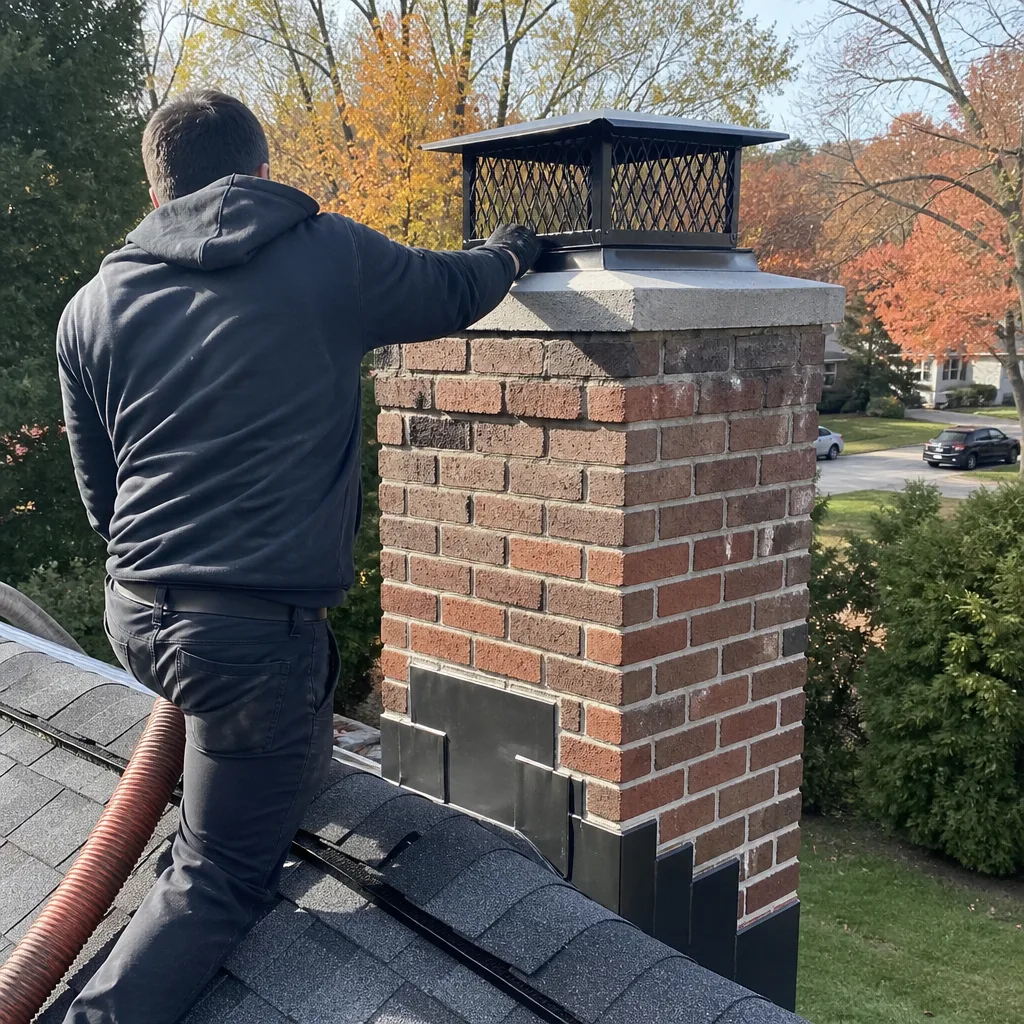 After
AfterChimney Cleaning & Sweep Maintenance Checklist for Waltham Homeowners
The most expensive chimney repairs in Greater Boston aren’t caused by neglect - they’re caused by homeowners who thought their annual sweep covered everything it didn’t. In our 42 years serving Waltham and surrounding towns, we’ve rebuilt crowns that cracked during March freeze-thaw cycles, replaced liners damaged by years of undetected moisture, and pulled nests from caps that hadn’t been opened since the previous May. The homeowners weren’t careless. They simply didn’t know what to watch for between visits. Our Complete Guide to Chimney Cleaning in Waltham gives you a month-by-month maintenance schedule that separates what you can observe yourself from what requires a certified technician, so nothing slips through the cracks.
Quick Answer
Waltham homeowners should perform monthly visual checks of their chimney exterior, firebox, and damper operation, with four critical technician visits annually: a Level-2 camera inspection in early spring, cap and crown assessment in May, pre-season sweep and flue check in September, and a post-heating-season moisture audit in March. Document everything you observe between visits - photos, dates, and specific symptoms - so your Chimney Cleaning & Sweep professional has actionable information instead of vague concerns.
Table of Contents
- Why an Annual Sweep Is Not Enough in Waltham’s Climate
- The Month-by-Month Maintenance Checklist
- Owner-Observable Checks: What You Can Safely Monitor Yourself
- Tech-Required Tasks: When You Need a Certified Sweep
- How to Document Observations Between Sweeps
- Which Skipped Checklist Items Void Massachusetts Homeowner’s Insurance Claims
- What to Look for Inside Your Firebox That Signals a Missed Problem
- Common Mistakes to Avoid
- When to Call a Professional
- Frequently Asked Questions
- The Bottom Line
Why an Annual Sweep Is Not Enough in Waltham’s Climate
Waltham sits at the confluence of the Charles River and several smaller tributaries, with elevation changes from the low-lying Cedarwood neighborhood up to the hills near Brandeis. This geography creates microclimates that punish chimneys differently depending on where you live. The freeze-thaw cycle here is particularly aggressive: temperatures swing above and below 32 degrees repeatedly from late February through mid-April, and again in November. Water enters hairline cracks in the crown or mortar joints, expands when it freezes, and widens those cracks with each cycle. By the time you notice staining on your ceiling or a loose brick, the damage has been compounding for multiple seasons.
The second factor is Waltham’s tree canopy. Mature oaks and maples in neighborhoods like Piety Corner and the Lyman Estate area drop debris year-round, and the spring nesting season brings squirrels, raccoons, and starlings looking for sheltered cavities. A cap that was secure in October may have a bent screen or damaged flange by May. Without a mid-year inspection, you may not discover the blockage until you light the first fire of autumn and smoke backs up into your living room - one of the Chimney Cleaning Warning Signs every Waltham homeowner should know.
Massachusetts building codes require functional chimney systems for any wood-burning appliance, but code compliance and actual safety are different thresholds. An annual sweep checks creosote buildup and basic structural integrity. It does not typically include the detailed crown assessment, moisture intrusion testing, or cap hardware inspection that prevent the failures we see most often in Waltham homes built before 1960.
Our recommendation, developed across four decades of local service: treat your chimney like your heating system. You wouldn’t run your boiler for a full year without a mid-season filter check and a post-winter inspection. Your chimney faces the same thermal stress, moisture exposure, and combustion byproducts - with the added risk of carbon monoxide infiltration if the flue is compromised.
The Month-by-Month Maintenance Checklist
This schedule divides tasks between homeowner observations and certified technician work. Follow it exactly, and you’ll catch problems at the repair stage rather than the rebuild stage.
January: Mid-Heating-Season Firebox Check
Owner task: After the fire has been cold for 24 hours, open the damper fully and shine a flashlight up the flue. Look for:
- Shiny or tar-like creosote deposits thicker than 1/8 inch
- Cracks in the firebrick or mortar joints
- White or gray ash buildup that restricts airflow
- Damper operation that sticks, grinds, or won’t seal fully closed
Tech task: If you burned more than two cords of wood before January, schedule a mid-season sweep. Heavy use builds creosote faster than a single annual cleaning can safely address.
February: Exterior Masonry Survey
Owner task: Walk the perimeter after a thaw. Check for:
- Efflorescence (white powder) on brick faces - indicates moisture migration
- Spalling, where the brick surface flakes or pops off
- Ice dams or icicles concentrated near the chimney base
- Missing or deteriorated mortar joints
Take dated photos of anything suspicious. February conditions in Waltham often reveal problems that summer inspections miss entirely.
March: Post-Heating-Season Moisture Audit (Critical)
Tech task: Schedule a Level-2 camera inspection. This is the most important technician visit of the year. The chimney has just endured four months of thermal cycling, and freeze-thaw damage is at its most visible. The inspection should include:
- Full flue liner evaluation with video documentation
- Crown integrity testing - probe for hollow sounds indicating delamination
- Flashing inspection at the roofline, where Waltham’s wind-driven rain enters most often
- Smoke chamber and damper throat assessment
Owner task: Run your hand along the firebox back wall. Any dampness or musty smell indicates moisture intrusion that the camera inspection should locate.
April: Cap and Screen Assessment
Owner task: From ground level with binoculars, or from a safely positioned ladder at the gutter line, examine:
- Cap position - is it centered, or shifted by winter wind?
- Screen mesh integrity - no gaps larger than 3/4 inch
- Visible rust streaks on the chimney exterior below the cap
Do not climb onto the roof. Waltham’s spring rains make asphalt shingles treacherous, and steep pitches in the Warrendale and Kendal Green areas are particularly dangerous.
May: Nesting Season Inspection (Critical)
Tech task: Schedule cap and crown service. This timing is deliberate. Nesting activity peaks in late April through June in Middlesex County. A technician can:
- Remove early nests before they become established
- Install or repair Olympia Chimney or Famco caps with proper mesh sizing for local wildlife
- Seal crown cracks before summer humidity accelerates deterioration
We’ve found starling nests completely blocking flues in Waltham homes where the homeowner heard “some chirping” in April but didn’t investigate until October.
June: Interior Humidity and Odor Check
Owner task: Close the damper and note any smoke or creosote smell in the room. Summer humidity in Waltham, especially in low-lying areas near the Charles River, activates odor from deposits that seemed dormant in winter. Persistent smell indicates:
- Incomplete cleaning from the previous season
- Negative air pressure pulling chimney odors into the house
- Hidden moisture activating creosote compounds
Document the conditions: temperature, humidity if you have a gauge, and whether the smell worsens with central air running.
July: Surrounding Vegetation and Clearance
Owner task: Trim branches within 10 feet of the chimney top. Waltham’s mature canopy grows rapidly in July and August. Overhanging branches:
- Drop leaves that clog caps and gutters
- Provide bridges for squirrels and raccoons
- Restrict airflow that helps draft performance
Check local ordinances before removing large limbs; Waltham requires permits for certain tree work.
August: Pre-Season Preparation Review
Owner task: Gather your documentation from the year: photos, observation notes, any repair estimates. Review what was flagged and what was addressed. If you deferred any recommended work from March, now is the time to reconsider before heating season demand peaks.
September: Pre-Heating-Season Sweep and Flue Check (Critical)
Tech task: Schedule your primary annual sweep. This should include:
- Mechanical brushing of the flue from top to bottom
- Smoke chamber and firebox cleaning
- Level-2 camera inspection if not performed in March, or if any new symptoms exist
- Damper lubrication and adjustment
- Written condition report with photos
September appointments in Waltham fill quickly. Homeowners who wait until October often face two- to three-week delays.
October: First Fire Protocol
Owner task: Before the first sustained fire:
- Open the damper and confirm free airflow - hold a lit match near the opening; flame should lean toward the flue
- Inspect the firebox for any debris, nests, or masonry fragments that fell since September
- Test smoke and CO detectors on every floor
Light a small test fire first. Any smoke spillage into the room indicates a draft problem requiring immediate professional attention.
November: Early-Season Performance Monitoring
Owner task: During the first two weeks of regular use, note:
- Smoke spillage when opening the loading door
- Longer-than-usual time to establish draft
- Excessive soot on glass doors or surrounding masonry
- Unusual odors not present in previous years
Any of these indicate combustion or draft issues that worsen as temperatures drop.
December: Holiday Safety Verification
Owner task: If you host guests or increase burning frequency:
- Confirm CO detectors are less than 7 years old (replacement date stamped on unit)
- Keep the hearth area clear of decorations and wrapping materials
- Never burn wrapping paper, cardboard, or treated wood - these cause dangerous flue temperatures and rapid creosote buildup
Owner-Observable Checks: What You Can Safely Monitor Yourself
Homeowners often underestimate what they can detect without specialized equipment. For more guides & resources, see our blog; these observations require no tools beyond a flashlight, binoculars, and consistent attention.
Smoke behavior. Your chimney should draw smoke upward consistently once draft is established. In Waltham’s hilltop homes, particularly in the areas above Route 20, wind patterns can create temporary downdrafts. But persistent smoke spillage, especially on calm days, signals blockage, liner damage, or negative pressure in your home.
Efflorescence patterns. White powder on exterior brick is mineral salts left by evaporating water. Note the location: crown-level efflorescence indicates cap or crown failure; mid-chimney patterns suggest mortar joint deterioration; base-level staining often means flashing problems. Photograph these patterns monthly during wet seasons - spreading or darkening indicates accelerating water intrusion.
Damper operation. A damper that requires increasing force to open, makes grinding sounds, or won’t fully seal is corroding or warping. This is gradual and easy to ignore until it fails completely. Test monthly during burning season.
Firebrick condition. Look for cracks wider than a credit card edge, spalling surfaces, or mortar missing to depth. Minor cracking is normal thermal stress; widening cracks or pieces that shift when touched require professional evaluation.
Animal activity. Scratching sounds, debris falling into the firebox, or visible nesting material on the smoke shelf indicate cap failure. In Waltham, we see peak activity in May and again in September as temperatures shift.
Odor changes. A chimney that smelled neutral last summer but develops strong creosote odor this year has either incomplete cleaning or new moisture intrusion activating deposits. Both require investigation.
Tech-Required Tasks: When You Need a Certified Sweep
Certain evaluations require training, equipment, and physical access that homeowners should not attempt. The consequences of error include carbon monoxide exposure, structural fire, and personal injury from falls or falling masonry.
Level-2 camera inspection. This involves feeding a high-resolution camera the full length of the flue to document liner condition, joint alignment, and creosote distribution. In Waltham’s pre-1960 housing stock, we frequently find clay tile liners with hidden vertical cracks, shifted joints from foundation settling, or deterioration from decades of condensation. No homeowner observation substitutes for this documentation.
Crown repair and sealing. The concrete crown is your chimney’s most vulnerable component. Proper repair requires removing deteriorated material, installing bond break material, and applying specialized sealants rated for thermal cycling. We’ve seen homeowners caulk crown cracks with hardware-store silicone; it fails within one season and traps moisture against the masonry.
Liner installation and repair. Whether stainless steel DuraFlex liners, HeatShield cerfractory resurfacing, or complete rebuilds, liner work affects combustion safety and code compliance. Massachusetts requires permits for liner replacement in most jurisdictions.
Flashing repair and replacement. The intersection of chimney and roof is the most common leak point. Proper repair requires removing surrounding shingles, installing step and counter flashing with proper overlap, and resealing without damaging roofing materials.
Smoke chamber parging. The smoke chamber above the damper must have smooth, sealed surfaces to guide combustion gases into the flue. Corbelled brick or deteriorated parging creates turbulence that reduces draft and increases creosote accumulation. This work requires confined-space access and proper respiratory protection.
Cap installation with proper mesh sizing. Wildlife exclusion requires mesh small enough to stop starlings and squirrels but large enough to allow proper draft and avoid rapid clogging from soot. Copperfield and Olympia Chimney caps come in specific configurations for New England’s species mix. Improper sizing either fails to exclude animals or creates dangerous draft restriction.
How to Document Observations Between Sweeps
The difference between a $200 repair and a $4,000 rebuild often comes down to how well the homeowner documented early symptoms. Vague complaints - “it smells sometimes” or “there’s a crack somewhere” - waste diagnostic time and may lead to incomplete evaluation. Specific documentation gets specific results.
We recommend a simple log system:
- Date and weather conditions. Note temperature, recent precipitation, and wind direction if known. Waltham’s variable weather means symptoms that appear during northeast storms may indicate flashing failure, while those during dry cold snaps suggest draft issues.
- Photographs with scale reference. Include a coin or ruler in photos of cracks or stains. A “small crack” to you might be 1/4 inch or 2 inches - the difference between monitoring and immediate repair.
- Symptom description using specific language. “Musty smell in firebox 24 hours after rain” is actionable. “Funny smell” is not. “Damper sticks at 3/4 open, grinds between closed and 1/2 open” is actionable. “Damper’s hard to move” is not.
- Frequency and progression. Note whether a symptom is new, worsening, or intermittent. “Efflorescence appeared after March thaw, spread 6 inches down by June” tells us the moisture source is active and growing.
- Previous work and estimates. Keep all written reports, especially those with photos from camera inspections. Compare year to year. If a sweep noted “minor crown cracking, monitor” in 2023 and your 2024 photos show the crack has widened, that progression justifies repair.
Bring this log to every appointment. Our technicians at Chimney Cleaning & Sweep in Waltham review homeowner documentation before climbing, so we know what to verify and what equipment to bring.
Which Skipped Checklist Items Void Massachusetts Homeowner’s Insurance Claims
After a chimney fire, your insurance adjuster will request maintenance records. Massachusetts courts have upheld claim denials where homeowners could not demonstrate reasonable care. These are the specific gaps that most often lead to disputes:
No documented annual inspection. Most policies require “regular maintenance” without defining it. Industry standard is annual Level-1 or Level-2 inspection by a certified sweep. If you skipped two or more years, the adjuster may classify the damage as gradual deterioration rather than sudden occurrence.
Known defects left unaddressed. If a previous inspection noted liner damage, crown cracking, or creosote buildup exceeding 1/4 inch, and you have no record of addressing it, the insurer may deny on grounds of negligence. Keep receipts and reports for all recommended work, even if you obtained multiple estimates before proceeding.
Improper fuel use. Burning treated lumber, painted wood, or household trash voids coverage regardless of other maintenance. Your documentation should include fuel type if you burn wood - cordwood receipts with species noted are ideal.
DIY modifications. Installing your own cap, sealing crown cracks with non-rated materials, or modifying damper operation without professional evaluation can void coverage. Insurers expect work by qualified technicians; save all invoices and permits.
Missing or disabled safety equipment. Massachusetts law requires CO detectors on every habitable level. If a chimney-related CO incident occurs and detectors were absent, removed, or past expiration, coverage may be reduced or denied.
The documentation system described in the previous section protects you financially, not just structurally. We provide written, photo-documented reports for every Chimney Repair in Waltham we perform, specifically so our customers have claim-ready records.
What to Look for Inside Your Firebox That Signals a Missed Problem
Even professional sweeps occasionally overlook conditions inside the firebox, especially when the appointment focuses heavily on flue cleaning. Homeowners who know what to look for can catch these oversights before they become dangerous.
Asymmetrical soot patterns. Soot should distribute relatively evenly across the firebox back wall and sides. Heavy accumulation on one side indicates uneven draft, often from a partially blocked flue or damaged liner that the sweep should have noted.
Fresh mortar dust below joints. If you see fine, sandy debris at the base of the firebox after a sweep, mortar joints may be actively deteriorating. A thorough cleaning should include inspection of joint integrity; dust suggests either missed deterioration or joints so degraded that brushing dislodged material.
Smoke stains above the damper frame. These indicate smoke spillage during use, which means either damper malfunction or smoke chamber problems. A complete inspection should identify the source; stains without explanation in the written report warrant follow-up.
Standing water or damp ash. Moisture in the firebox is never normal. It indicates crown, flashing, or liner failure that requires immediate investigation. If your sweep didn’t flag this, call for a second opinion.
Metal fatigue on grate or frame. Cracked or severely warped fire grates can collapse under fuel load, spilling burning material. Replacement is straightforward; missing it is not.
Missing or damaged firebrick. Exposed masonry behind firebrick heats unevenly and can crack, creating paths for combustion gases or sparks. Any missing brick should be replaced with matching refractory material, not standard brick.
If you observe any of these conditions after a sweep, document with photos and contact the company for re-inspection. If they dismiss your concerns without explanation, our Hearthstone Chimney Co. home page lists our direct line - we offer free second opinions on any written estimate, including evaluations of previous work.
Common Mistakes to Avoid
- Assuming a “chimney sweep” includes full inspection. Many Waltham homeowners book the cheapest sweep available, receiving only a quick brush-out and no documentation. Verify that your appointment includes a written condition report with photos.
- Ignoring summer odors. Creosote smell in July feels harmless because you’re not burning. It actually signals moisture intrusion activating deposits, which accelerates liner deterioration and creates acidic compounds that eat masonry.
- Climbing onto the roof for “a quick look.” Waltham’s older homes often have steep pitches and brittle asphalt shingles past their service life. Falls from roof height cause serious injury or death. Use binoculars from ground level, or schedule a technician with proper fall protection.
- Burning green or unseasoned wood. Wood with moisture content above 20% creates excessive creosote and cool, incomplete combustion. In Waltham’s humid summers, even “seasoned” wood stored outdoors may require two full years. Buy from established suppliers who certify moisture content.
- Deferring crown repair because “it’s just the top.” The crown is a concrete umbrella. Once it fails, water enters the chimney core, freezes, and destroys the structure from inside. Crown sealing costs hundreds; crown rebuild with internal damage costs thousands.
- Using the fireplace as a furnace substitute during power outages. Extended high-temperature burning stresses liners and masonry beyond design limits. It’s also the scenario most associated with chimney fires from accumulated creosote. If you rely on wood heat, maintain more frequent sweep intervals.
- Failing to verify technician certification. Massachusetts does not license chimney sweeps at the state level. Look for CSIA (Chimney Safety Institute of America) certification, which requires continuing education and adherence to a code of ethics.
When to Call a Professional
Call a certified sweep immediately if you observe smoke spillage into the room during normal operation, hear animal activity in the flue, find moisture or debris in the firebox outside of burning season, or notice exterior masonry changes after freeze-thaw cycles. These symptoms indicate active problems that worsen with use and delay.
Hearthstone Chimney Co. offers free estimates in Waltham. Our phones are answered by a live person 24 hours a day, 7 days a week - not voicemail, not a callback queue. Russell Haines and our team have served this community for over 42 years, and we document every inspection with photos you can see and a plain-English verdict you can understand. Call (781) 905-8338 to schedule, or visit our Fireplace Services in Waltham page for additional service details.
Frequently Asked Questions
A standard Level-1 sweep and inspection in Waltham typically ranges from $200 to $350, while a Level-2 camera inspection runs $350 to $550 depending on chimney height, accessibility, and number of flues. Hearthstone Chimney Co. offers a $89 Seasonal Tune-Up for qualifying systems, and we provide no-hassle upfront pricing - the number on the estimate is the number on the invoice. Call (781) 905-8338 for an exact quote; estimates are free.
The National Fire Protection Association recommends annual inspection for all chimney systems, with sweeping frequency based on use and fuel type. In Waltham’s climate, we advise a minimum of one sweep before each heating season for active wood burners, and a Level-2 camera inspection every two to three years even for gas systems, due to our aggressive freeze-thaw cycle and older housing stock. Homes burning more than two cords of wood annually benefit from mid-season cleaning. Call (781) 905-8338 to discuss your specific burning habits.
You need a new liner when inspection reveals cracks, gaps, or deterioration that allows combustion gases to contact combustible framing, or when the existing liner is improperly sized for your appliance. We never recommend liner replacement without camera evidence you can see yourself, and we’ll plainly tell you when observed damage can be monitored rather than immediately replaced. Our 90-Day Done Right Promise applies to all liner work, backed in writing with no arguing. Call (781) 905-8338 for a documented evaluation.
Skipped maintenance leads to creosote accumulation that fuels chimney fires, moisture intrusion that destroys masonry from within, and liner failure that permits carbon monoxide infiltration into living spaces. In Waltham’s older neighborhoods, we’ve rebuilt chimneys that could have been preserved with timely crown sealing, and we’ve replaced liners where earlier intervention would have permitted repair rather than full replacement. The cost difference is typically tenfold. Call (781) 905-8338 before small problems become large ones.
Homeowners can safely remove ash and debris from the firebox and perform the visual observations described in this guide. However, flue cleaning requires proper brushes, rods, and vacuum equipment, and liner evaluation requires camera technology that confirms complete surface coverage. More critically, most chimney-related injuries occur from falls during roof access, not from the cleaning itself. For safety and thorough documentation, professional service is the practical choice. Hearthstone’s background-checked, uniformed technicians complete most jobs in a single visit.
Summer chimney odor in Waltham results from high humidity activating creosote deposits, negative air pressure from air conditioning pulling chimney air into the house, or moisture intrusion promoting microbial growth on soot surfaces. The specific cause determines the solution: complete cleaning, damper sealing, dehumidification, or moisture intrusion repair. Our September sweep includes odor assessment, but if summer smell is severe, don’t wait - call (781) 905-8338 for diagnosis.
Waltham follows the Massachusetts State Building Code, which requires permits for new chimney construction, liner replacement, and structural modifications. The city enforces specific setback and height requirements in historic districts, including portions of the Lyman Estate and Piety Corner areas. Hearthstone Chimney Co. handles permit applications as part of our repair and rebuild services, ensuring compliance without homeowner administrative burden.
The Bottom Line
A chimney maintenance checklist only works if it separates what you can observe from what requires professional evaluation, and if you follow it consistently rather than reactively. Waltham’s climate - freeze-thaw cycling, river-valley humidity, mature tree canopy - creates specific risks that generic annual sweeping does not address. Use the month-by-month schedule in this guide, document your observations with dates and photos, and schedule the four critical technician visits: March moisture audit, May nesting-season cap service, September pre-season sweep, and January mid-season check if you’re a heavy burner. The homeowners who avoid catastrophic repairs are not luckier; they’re simply watching more carefully and acting sooner. Done right - and we stand behind it.
Written by Russell Haines, Owner at Hearthstone Chimney Co., serving Waltham since 2014.